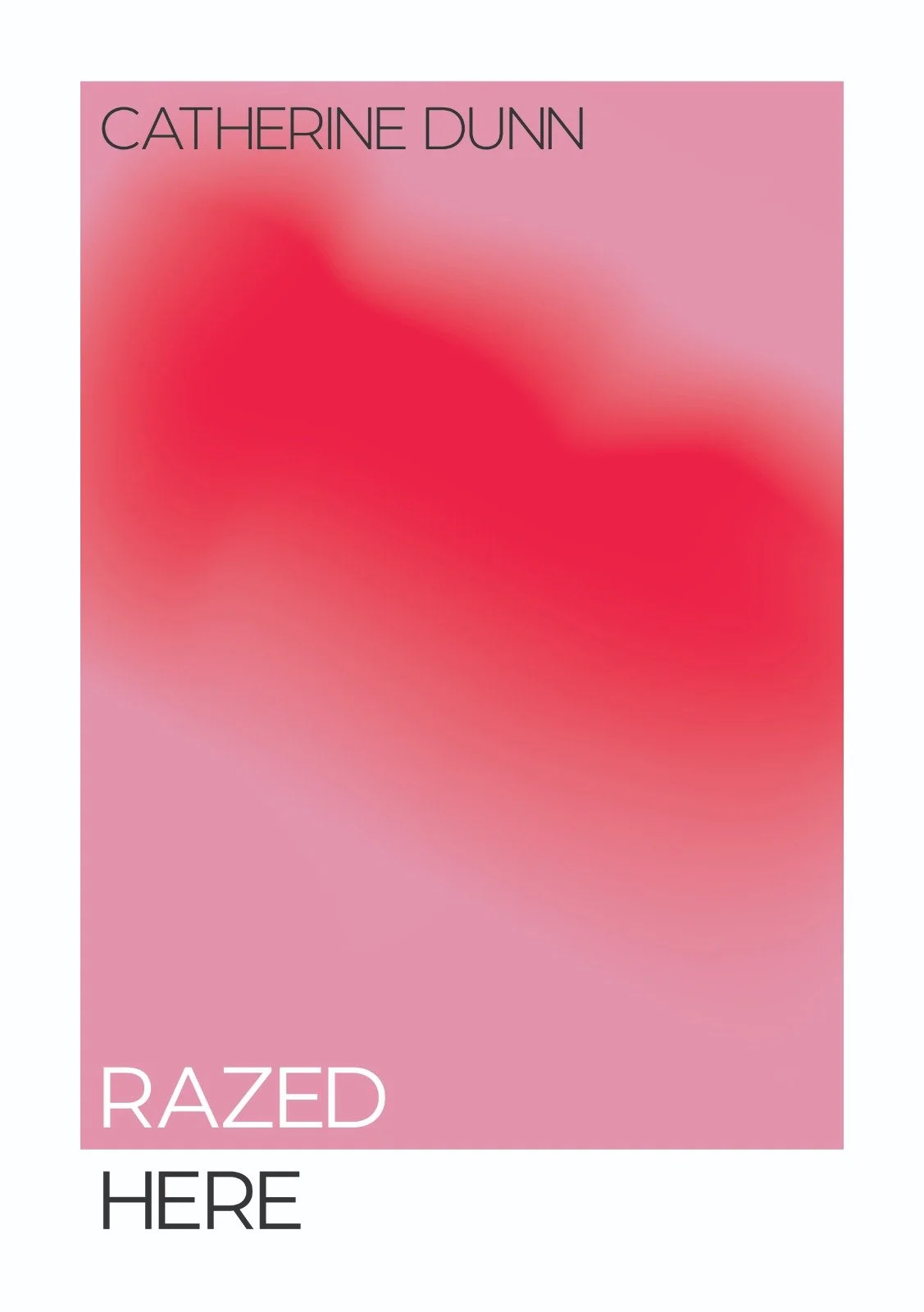
Razed Here
How My Identity Shaped My Activism
By Catherine Dunn
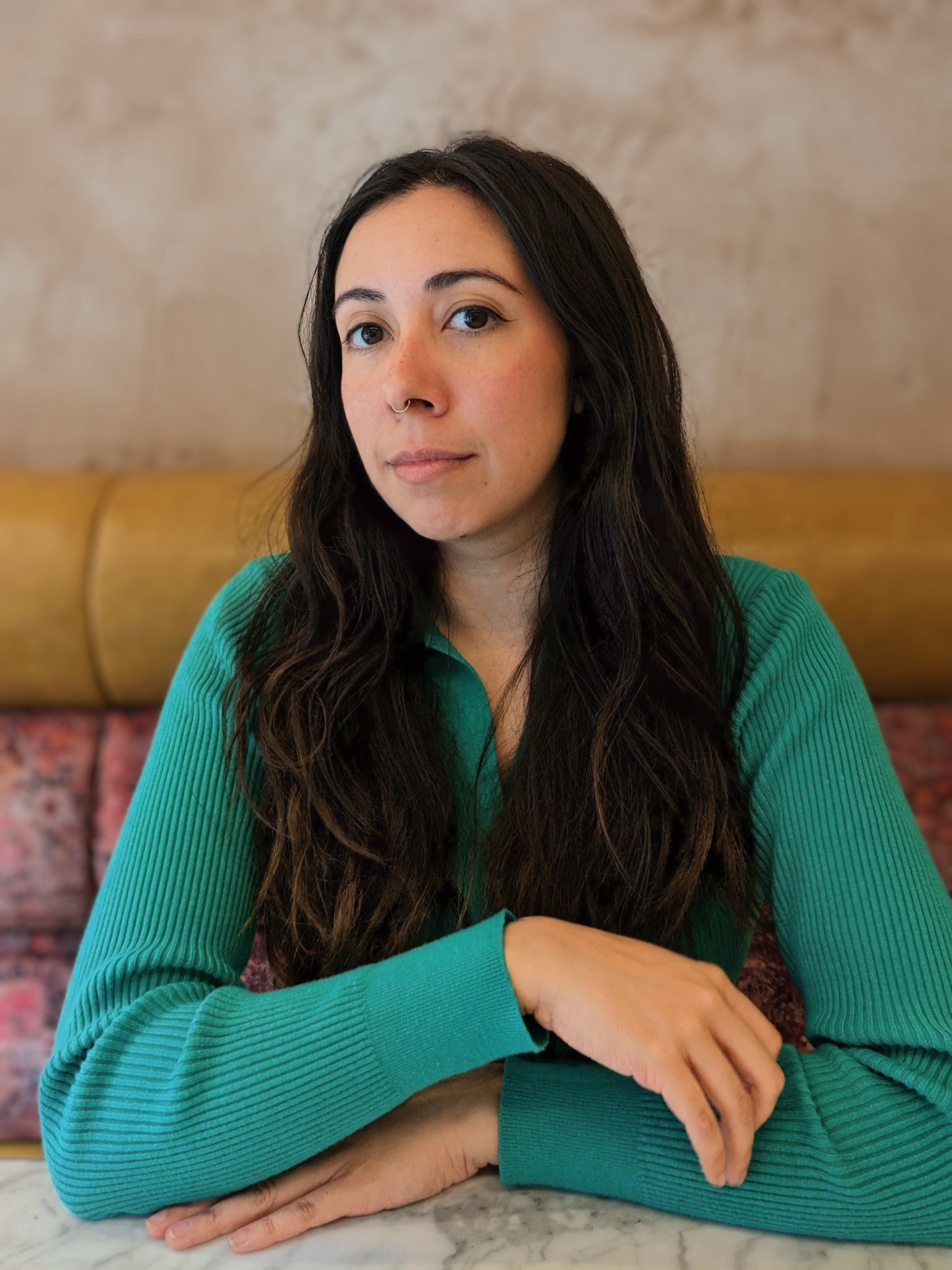
Catherine Dunn is a writer, psychotherapist and activist from southeast London. Her work is an exploration of queerness, grief and the layered complexities of Anglo-Indian heritage.
She was longlisted for the Outspoken emerging poets development scheme in 2024. Her poems seek the language of belonging amid fracture and autonomy.
When I think about what has inspired my poetry/ activism, the short story is that my family taught me about interconnectedness and care for others. My parents are Anglo-Indian and Anglo-Burmese working class immigrants. For those that don’t know, the Anglo-Indian and Anglo-Burmese communities trace their roots back to English and Irish soldiers who came to India and Burma during colonial times. It’s a complicated inheritance, yet one that’s formed its own culture in India, Burma and in the UK.
The long story is that I have spent much time and effort in navigating my identity as someone existing on the margins of the marginalized. Words became a way to claim contradictory thoughts and feelings; not as a means for resolution but as a way of honouring them. In hindsight, I can see that words were necessary for my survival. Now as a psychotherapist, I use words to help people who are sometimes stuck within the context of what has happened to them.
I may use some words in reference to myself now that I did not have in the past. I am both Anglo-Indian and Anglo-Burmese, both woman and queer, both healer and survivor. I feel that it is from within the in-between that I write best. Growing up, I always felt out of step with others, and it was from this vantagepoint that I was able to observe and experience the world around me and my awareness of injustice sharpened.
I understand that activism means listening to and upholding the voices of those most marginalised. I understand that activism requires my own healing, which is messy, which is intrinsically tied to others. I do my best to honour this in my writing.
It goes without saying that as a psychotherapist, I have my own trauma. I have known grief intimately (still do, always will). From personal loss to the broader mourning shaped by systemic harm and violence, I am curious to how love and grief can coexist. How tenderness can co-exist with rage and softness can function as resistance.
Some of the poets I’d like to pay homage to are Maya Angelou, Mary Oliver, Alok Vaid-Menon, Vikram Seth and Warsan Shire.