
noticeboard
Updates, opportunities, resources and action.
Through M.Y.H x Noticeboard, you'll find campaigns, consultations, research, events, support services and opportunities to get involved. Bringing together information from across the justice, health and social change sectors, this space is designed to help you stay informed, discover new opportunities and connect with the people and organisations driving change.


Jane Doe Rally London
On Saturday 24 October, survivors and supporters will gather outside London's Royal Courts of Justice for the Jane Doe Rally. Part of the #WeAreAllJaneDoe movement, the event calls for greater accountability and change in how sexual violence is addressed.
Harmful Pornography: The Law Is Changing
From 6 November 2026, new offences will criminalise the possession and publication of certain types of harmful pornography in England and Wales. Make Yourself Heard explores what's changing, why it matters and what it could mean for victims and survivors.
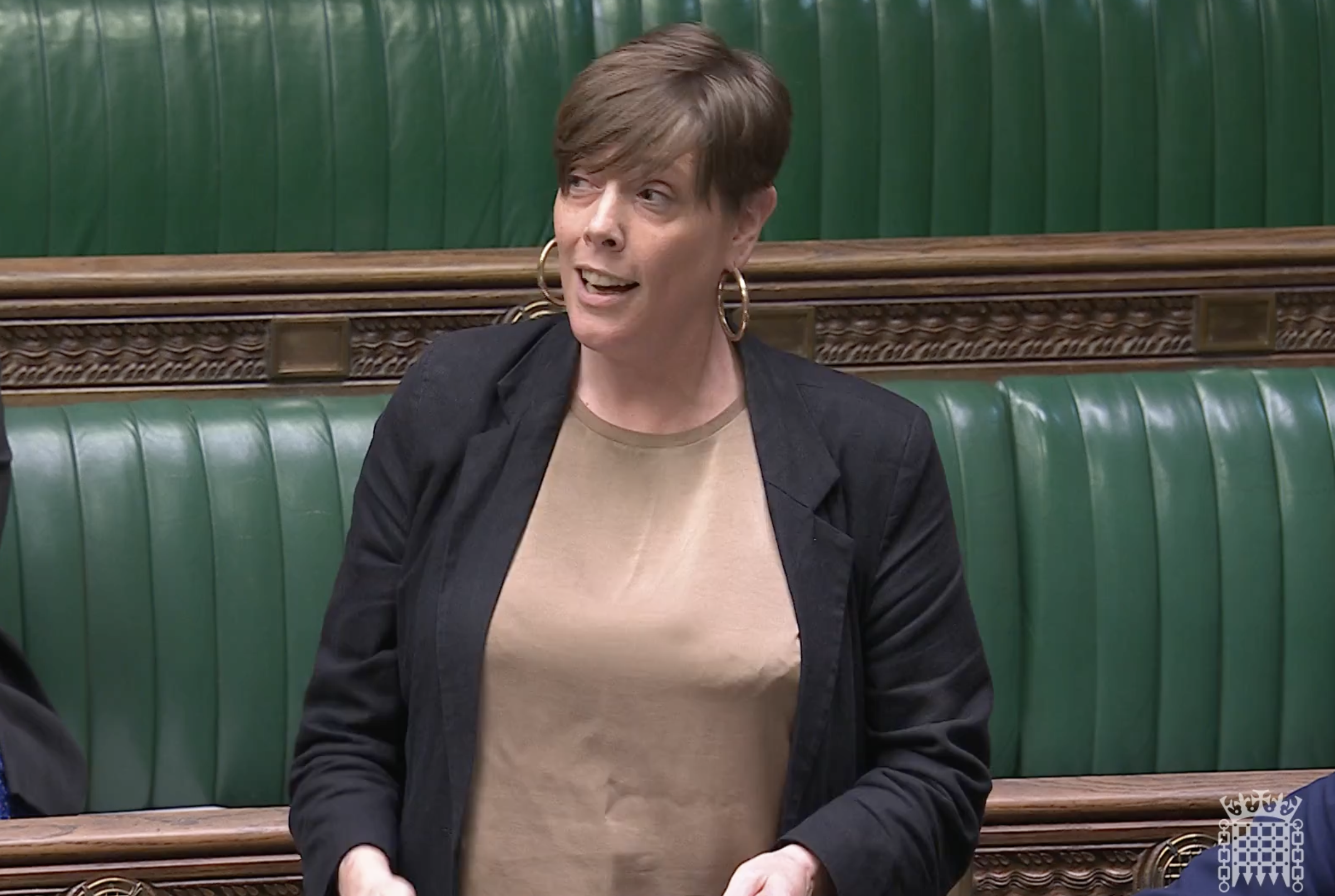
Police & CPS Accountability: Rights at Risk
MPs are challenging a controversial ruling that could shield police from civil claims over serious investigative failures. As Jess Phillips highlights Jade Blue’s case and the reforms it helped achieve, we explore why the right to hold police and the CPS accountable must be protected.

A Lawyer in Your Corner
A new national Independent Legal Advice service will give rape and sexual assault survivors across England and Wales free, specialist legal advice throughout the criminal justice process. Led by the Centre for Women’s Justice, the service is expected to launch in early 2027.

Find Your Ground
When things feel overwhelming, grounding can help bring your attention back to the here and now. Explore three simple techniques you can reach for during moments of anxiety, panic, difficult thoughts or feeling disconnected - and find what works for you.

The Cornell Case
The reopened investigation into alleged sexual violence at Cornell University has sparked a wider conversation about consent, bystanders and the cultures that surround harmful behaviour. We look at why speaking up matters, what we teach boys and young men, and why preventing sexual violence must be a collective responsibility.

Ignored. Failed. Blamed.
Three programmes, three very different stories - but some painfully familiar questions. Britain’s Forgotten Girls, Grooming Gangs: Why Were We Ignored? and The Blame put victims, policing and institutional failure under the spotlight. We look at what they tell us about being heard, being believed and what happens when systems fail to act.

Andy Carroll Speaks Out
Andy Carroll’s decision to speak publicly about being sexually assaulted while asleep has brought important attention to male survivors. His disclosure is a powerful reminder that sexual violence can affect anyone - and that speaking out can challenge stigma, break silence and help others feel able to come forward.

Spiking Is Changing
Police are warning that spiking is changing, with perpetrators increasingly using drug-laced vapes, prescription and over-the-counter medicines, and targeting victims beyond bars and clubs.
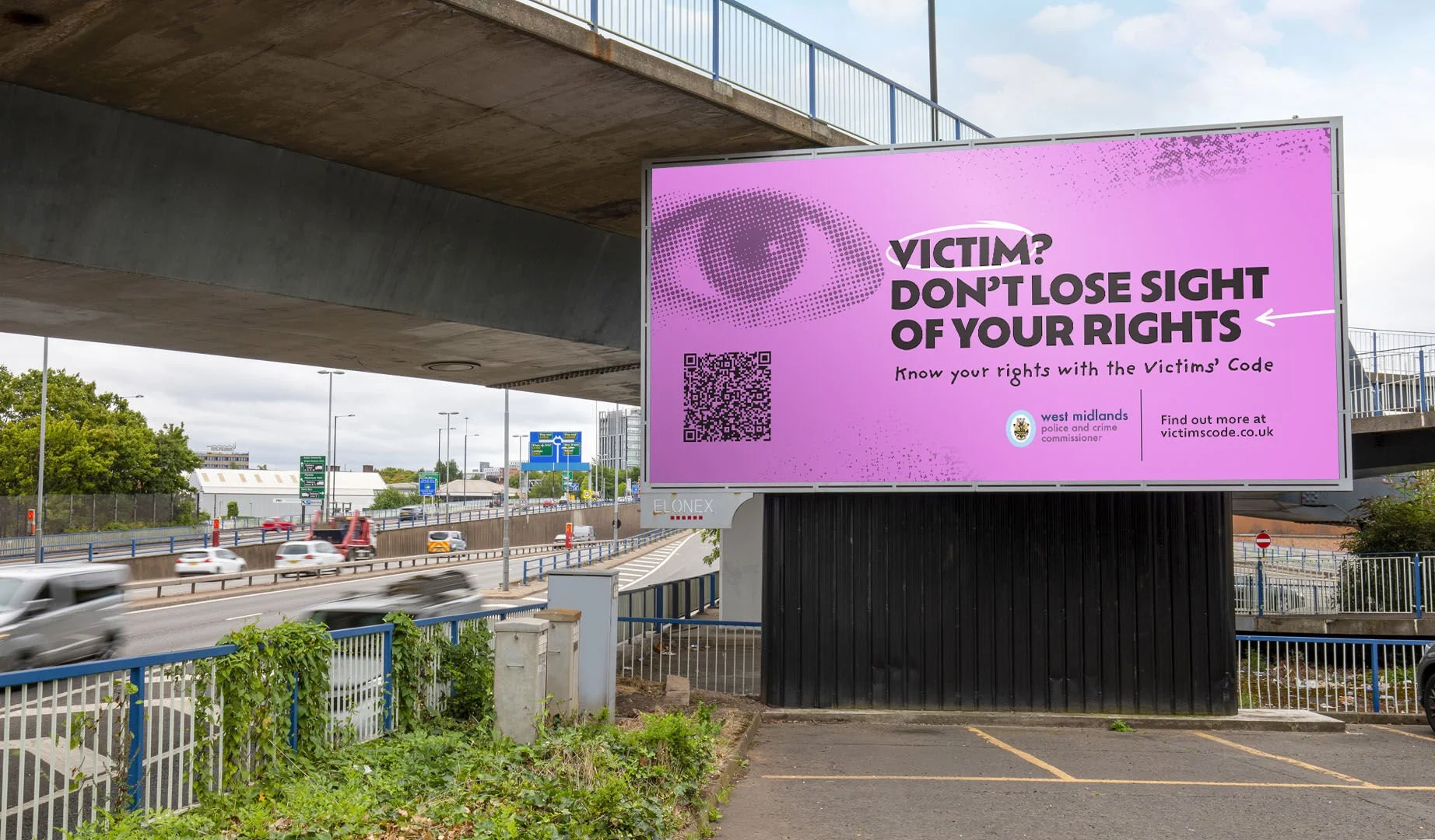
Making Victims’ Rights Visible
A new West Midlands campaign is putting victims’ rights in public view after a survey found just 2.5% of people could demonstrate any knowledge of the Victims’ Code. We look at why knowing your rights matters - and why campaigns like this are needed nationwide.
New Court Reforms for Rape Survivors
Specialist rape courtrooms, fixed trial dates and a single point of contact for victims are among new measures being introduced across England and Wales. Here’s what is changing - and why it matters for survivors navigating the courts.

Court Reform Needs Your Voice
As the Courts and Tribunals Bill returns, Make Yourself Heard is calling on people with recent experience of the courts to share what the justice system is really like. Building on our work with Open Justice for All, we want lived experience to help shape the debate around court reform.
Who Holds Judges Accountable?
More than 314,000 people have backed calls for greater judicial accountability following the Fordingbridge rape case. The petition is calling for an investigation into Judge Nicholas Rowland and wider reform of judicial accountability.
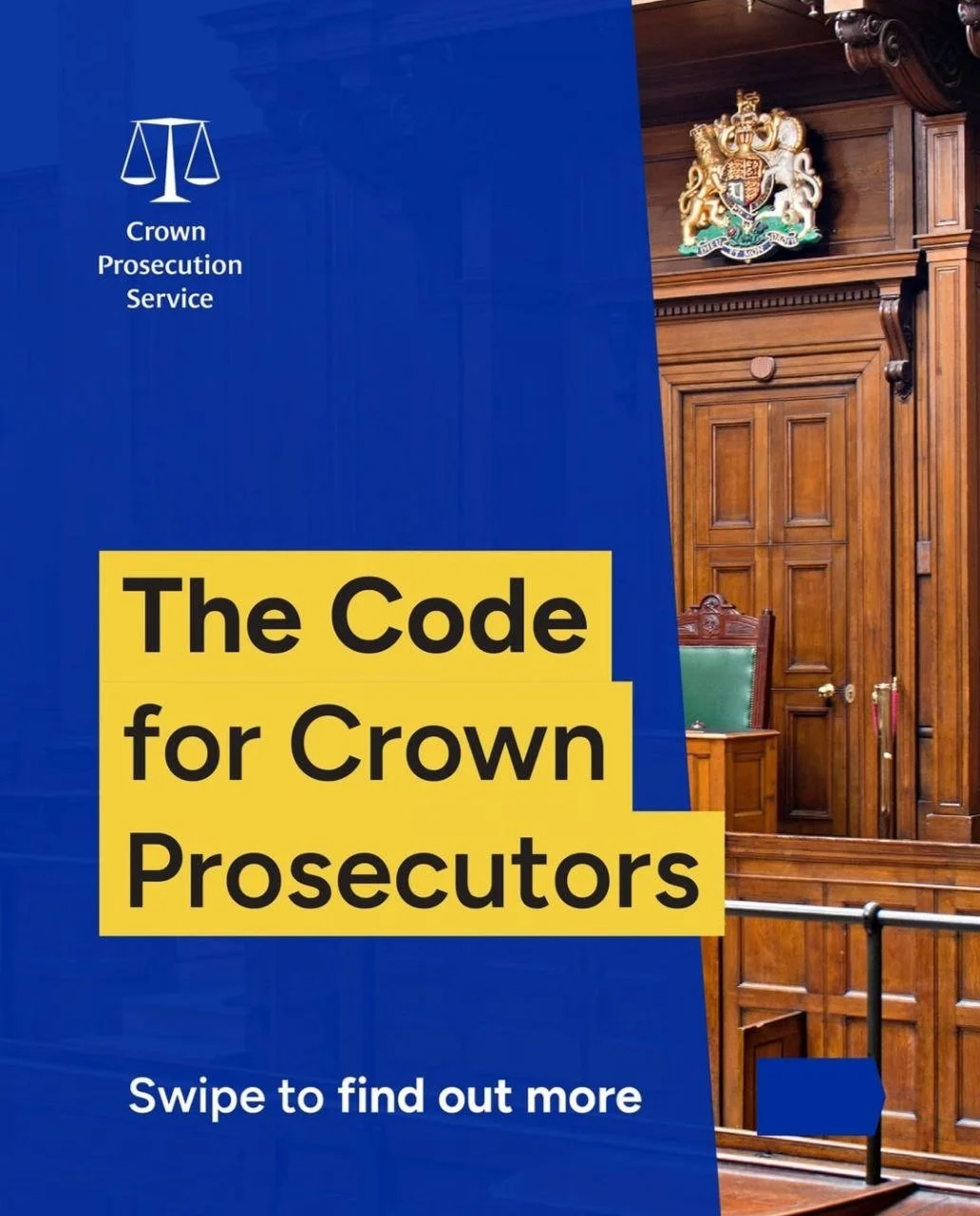
A New CPS Code: Have Your Say
The CPS is consulting on proposed changes to the Code for Crown Prosecutors, including how victims’ views, circumstances and risk are considered in charging decisions. The public consultation is open until 8 November 2026.
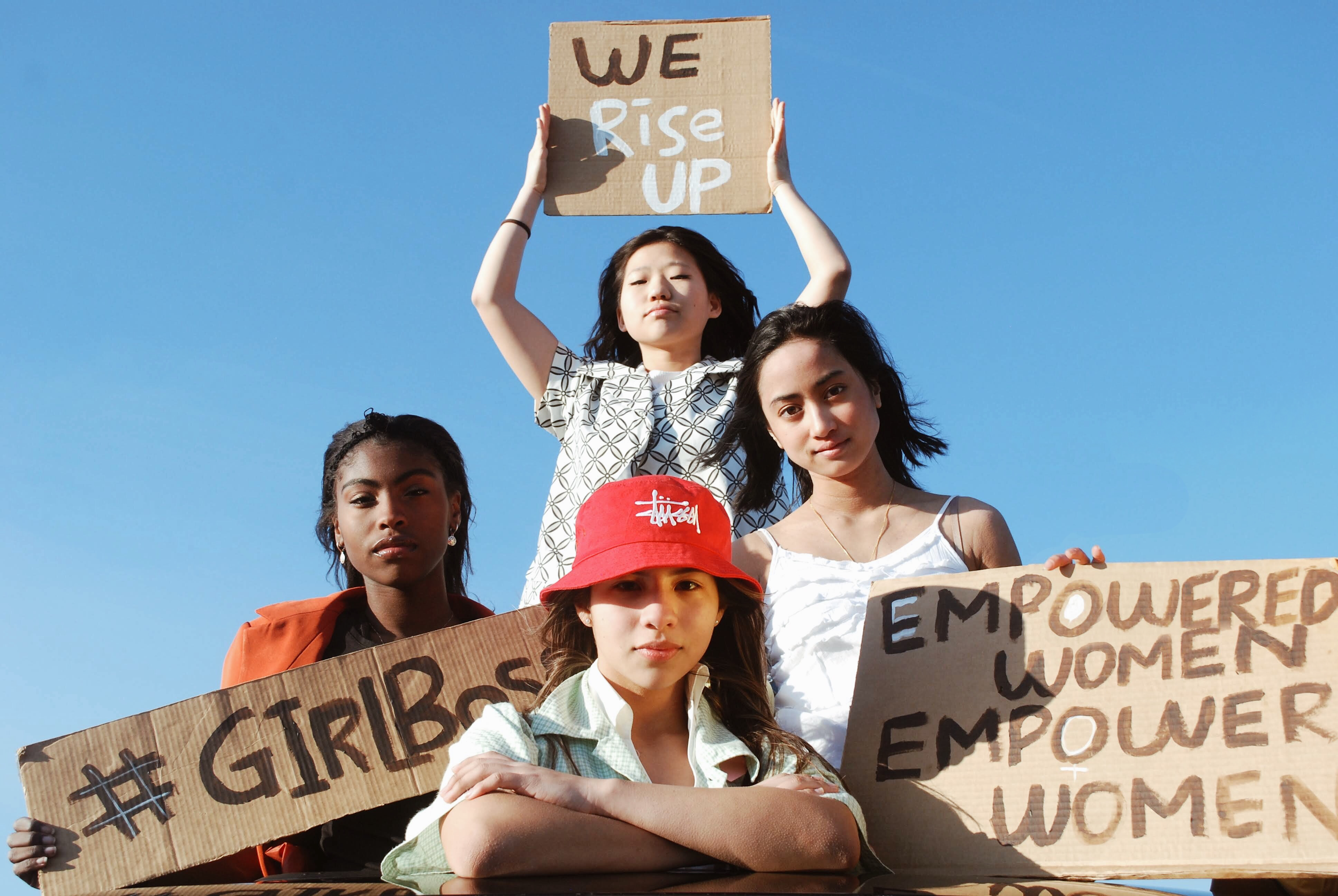
A Reminder: Backing Women Matters
A reminder of the power of women supporting women — from believing and listening to sharing opportunities, opening doors and making space for others to be heard. Small acts of solidarity can build confidence, strengthen collective voice and help make change feel possible.
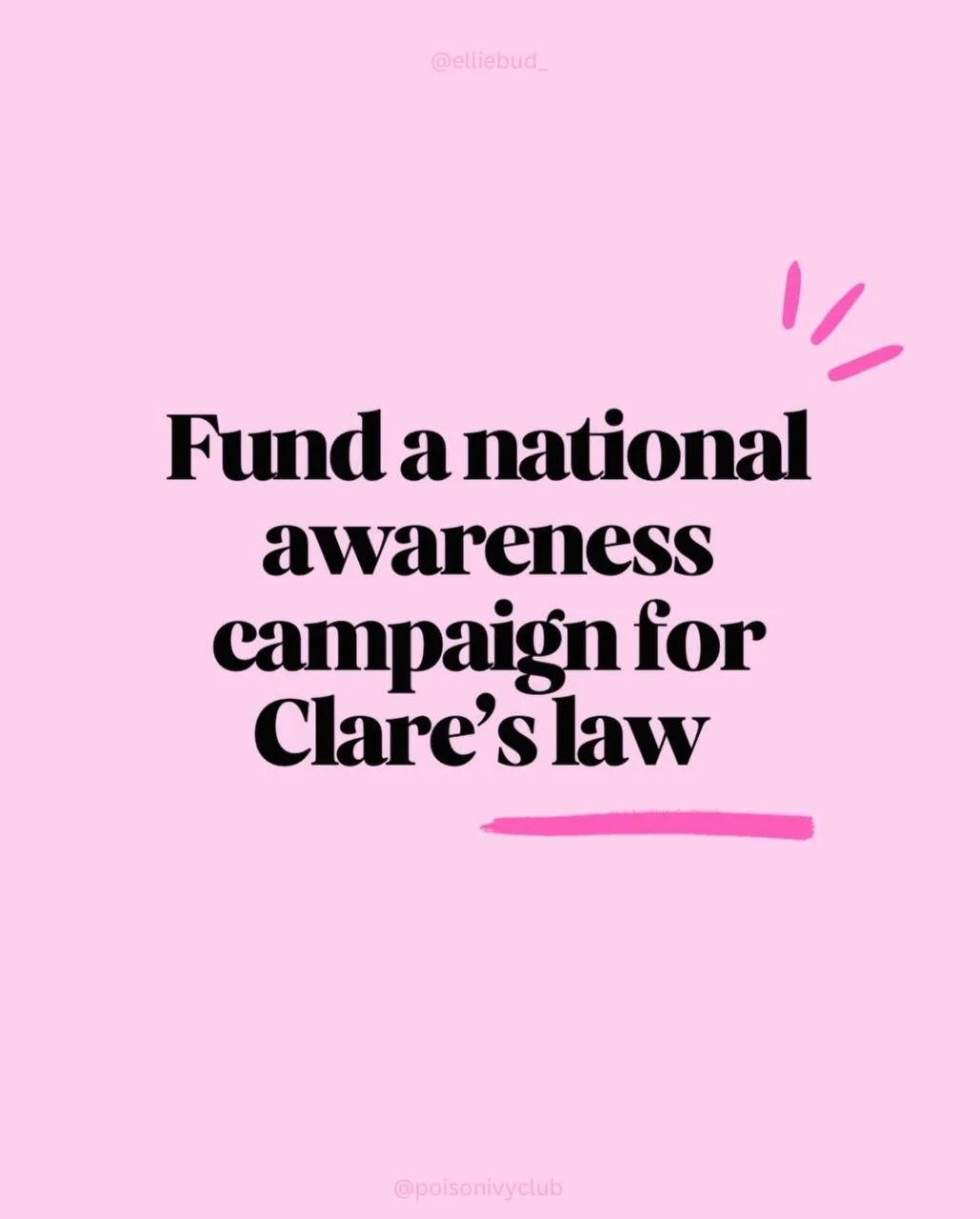
Clare’s Law Awareness
A new parliamentary petition is calling for a national Clare’s Law awareness campaign, so more people know they can ask police about a partner’s history of domestic abuse before things escalate.

Justice Is in Crisis
Victims’ Commissioner Claire Waxman has warned that pressures across prisons, probation, policing, courts and victim services now have the “hallmarks of a national emergency”.

Fallen Women This Autumn
Families have spent years asking difficult questions. This autumn, Stacey Dooley’s Fallen Women will bring their stories- and Killed Women’s campaign for greater scrutiny of suspicious deaths involving falls from height - to a national audience.

The Real Count UK
A new UK-wide anonymous survey is helping uncover the domestic abuse missing from official statistics. We look at The Real Count UK, why so many experiences go unreported, and how survivor-led data could help build a clearer picture of abuse across the country.
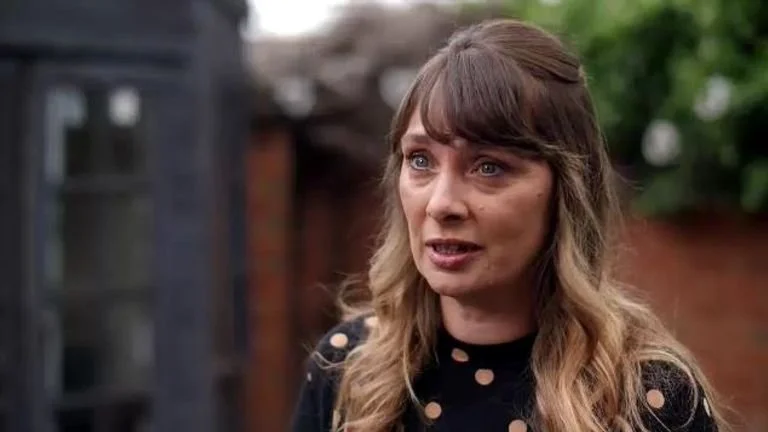
Rally for Della’s Law
Campaigners are heading to Downing Street to rally for Della’s Law, calling for stronger safeguards around registered sex offenders changing their names and potentially obscuring their offending history.