
Harmful Pornography: The Law Is Changing
New criminal offences come into force on 6 November 2026. Here’s what the changes mean, why they matter and what victims and survivors should know
The law is changing to tackle harmful pornography in England and Wales.
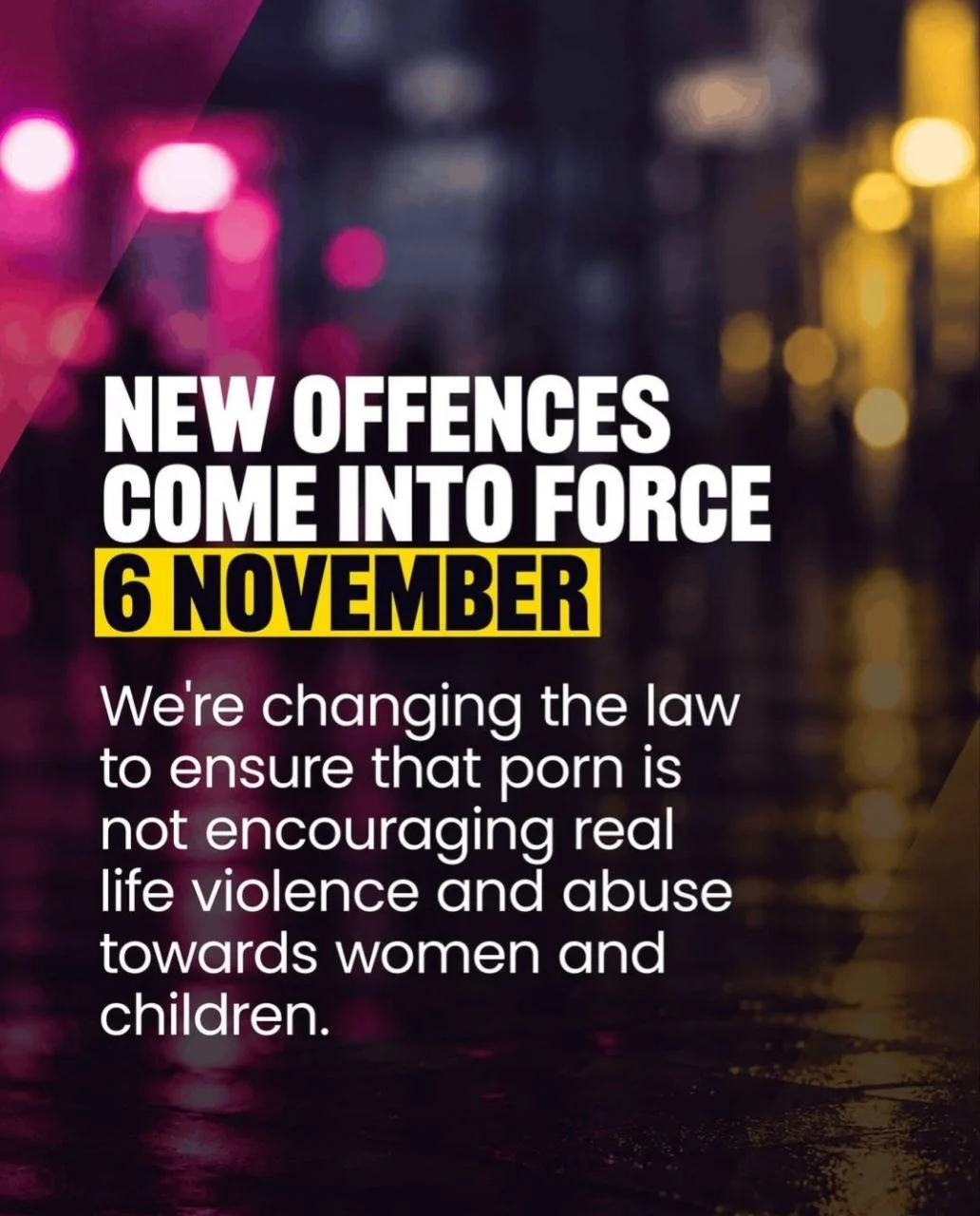
From 6 November 2026, possessing or publishing certain types of pornographic content will become a criminal offence.
What's Becoming Illegal?
The new offences target three categories of pornography:
1. Strangulation and suffocation
Pornographic content depicting strangulation or suffocation, including what is sometimes described as sexual choking.
2. Sexual activity between relatives
Pornographic content depicting penetrative sexual activity between people who are related, or pretending to be related, in certain ways. This includes some step and foster relationships.
3. Adults pretending to be children
Pornographic content depicting adults pretending to be children under the age of 16.
These changes specifically target the possession and publication of content falling within these categories.
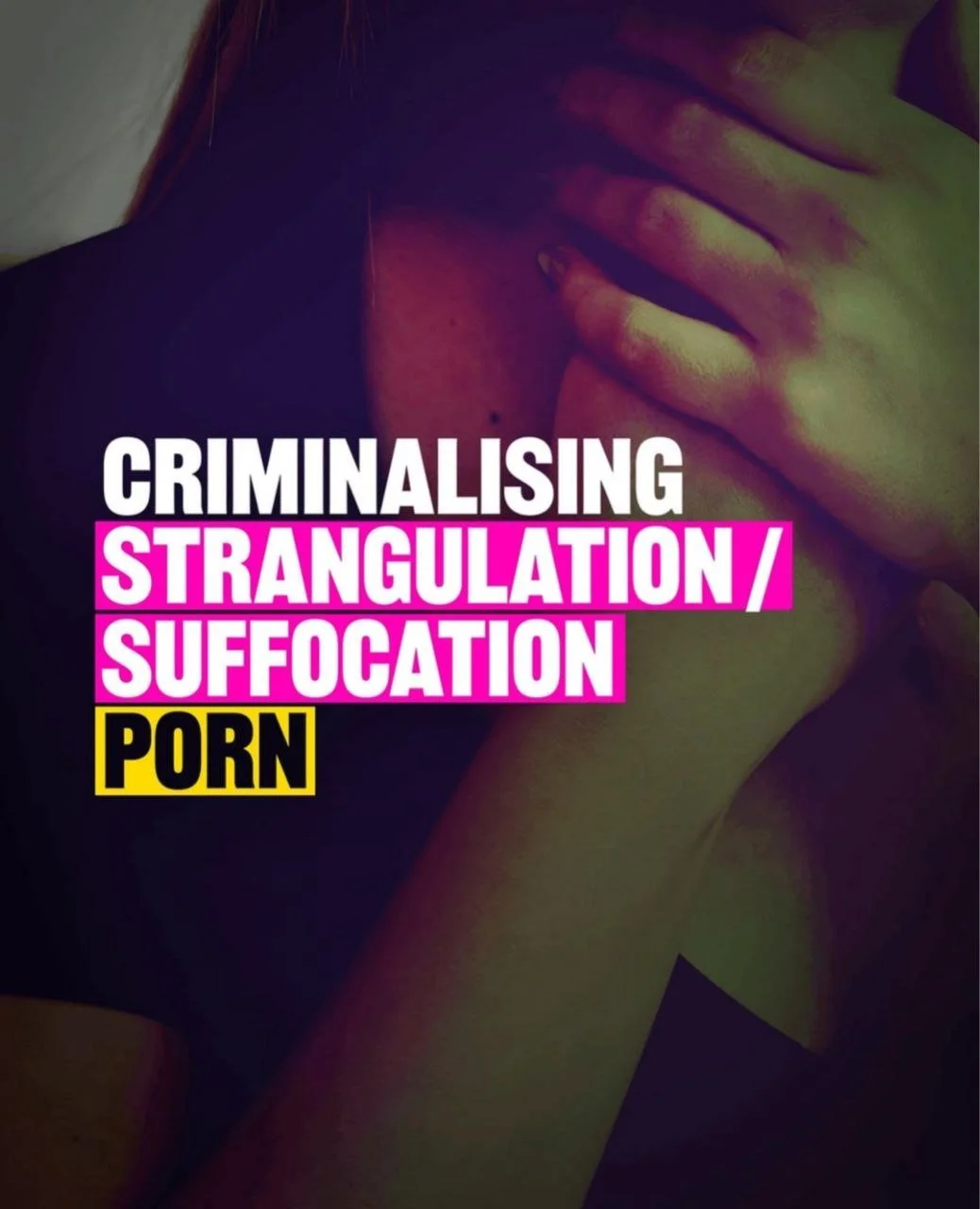
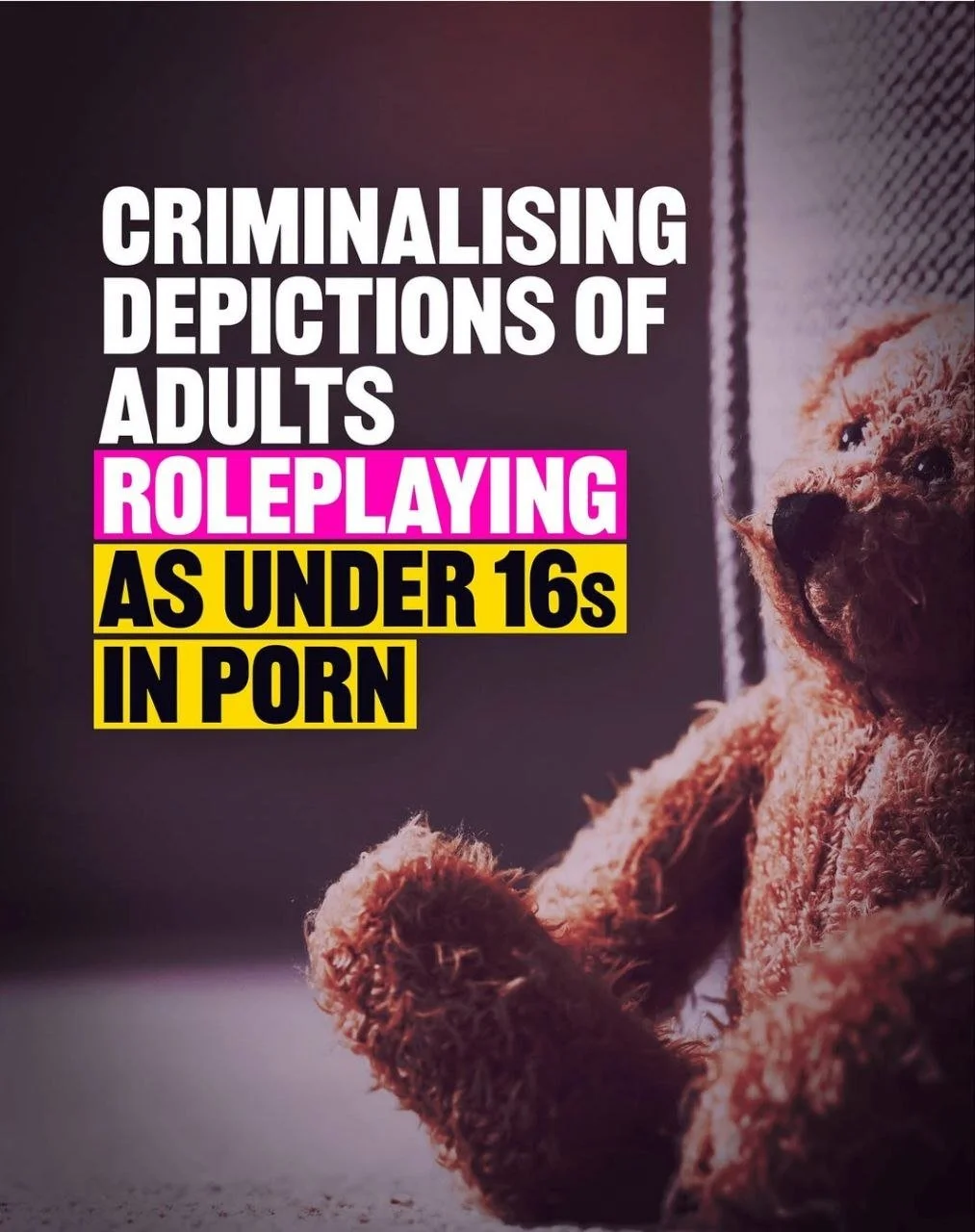
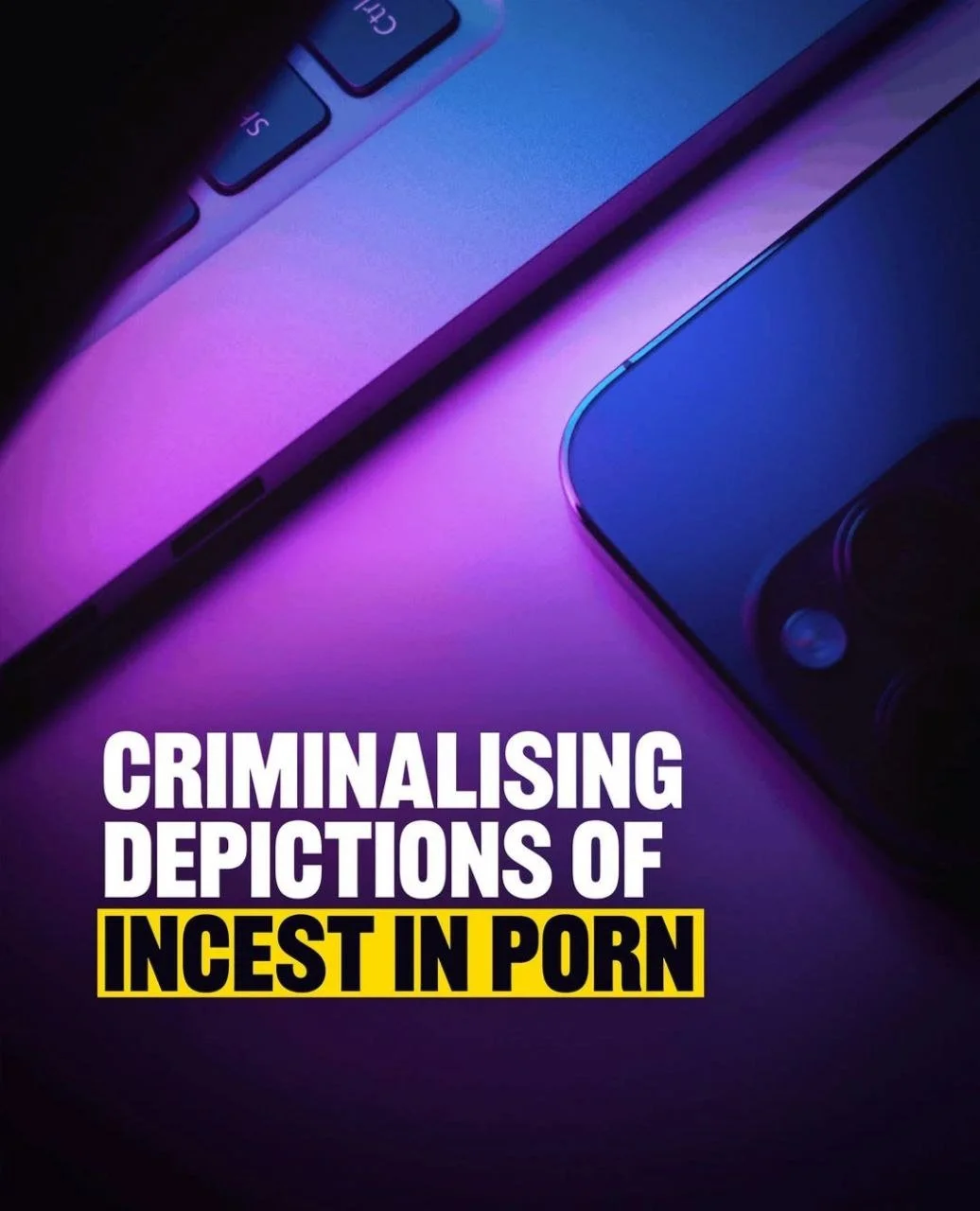
Source: MoJUK (Instagram)
What Needs to Happen Before 6 November?
Anyone who currently possesses content covered by the new offences, or has published it and continues to make it available to others, will need to delete or remove it before 6 November 2026 to avoid committing an offence. This applies to prohibited content made available online or offline.
Importantly, the changes target specific categories of harmful pornography, rather than pornography generally.
Why Is the Law Changing?
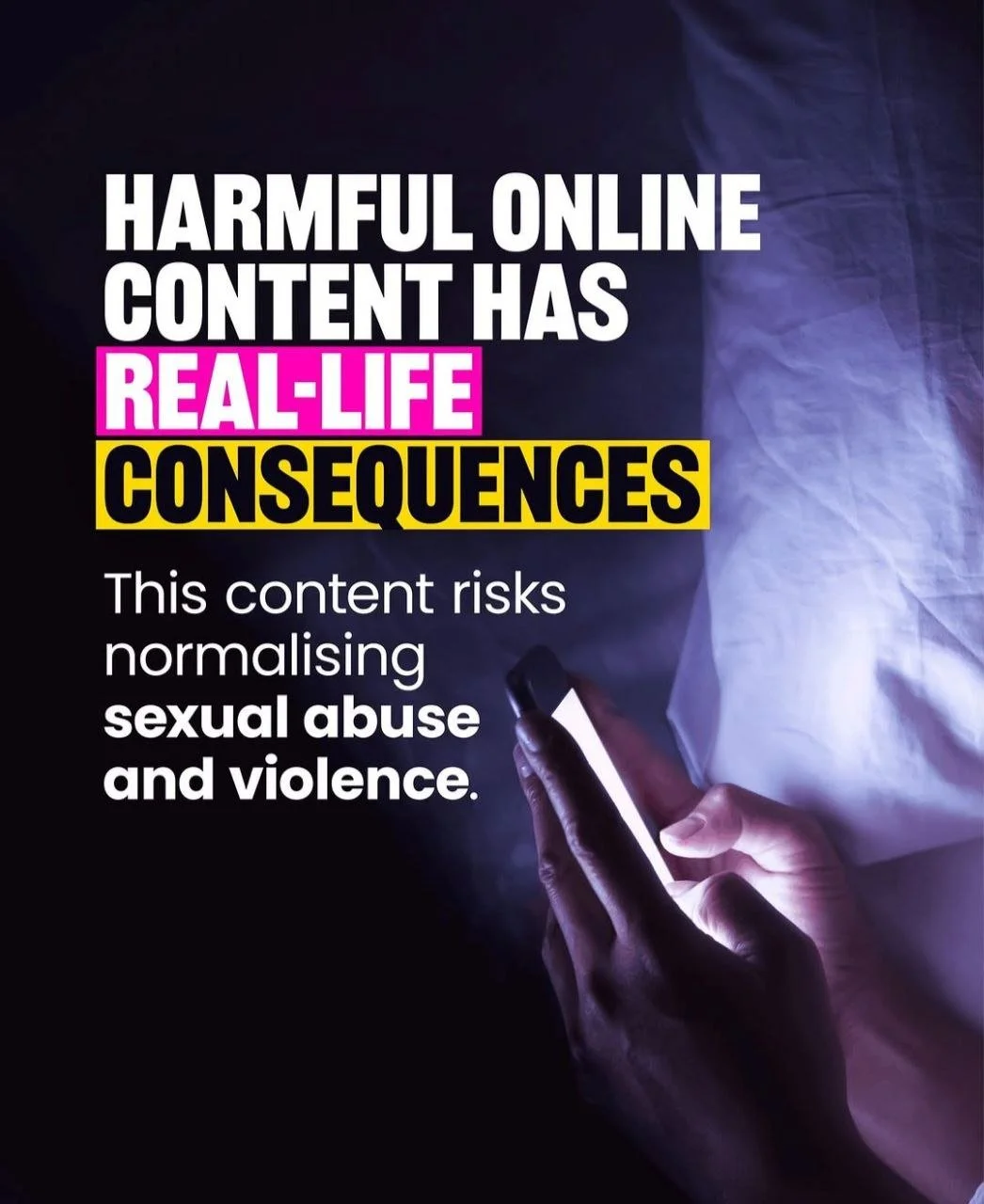
The government has raised concerns that pornography depicting sexual violence, abuse and exploitation can contribute to normalising harmful behaviours and attitudes towards women and children.
The new offences form part of wider efforts to tackle online abuse, protect children and strengthen protections for victims. They also follow other government measures targeting harmful online content, including intimate image abuse and sexually explicit deepfakes.
What Does This Mean for Victims and Survivors?
The changes represent a further step towards addressing harmful sexual content and the attitudes that can contribute to sexual violence and exploitation.
By criminalising the possession and publication of these specific categories of pornography, the government aims to strengthen protections and challenge the normalisation of harmful behaviours.
For victims and survivors, this could mean greater accountability for those possessing or distributing prohibited material. However, the effectiveness of these changes will depend on how they are implemented and enforced.
Changing the Law Is Only One Part of Prevention
At Make Yourself Heard, we welcome measures that seek to prevent sexual violence, challenge harmful attitudes and strengthen accountability.
These changes represent a positive step, but legislation alone cannot address the wider issues surrounding sexual violence and exploitation.
Education, prevention, effective enforcement and meaningful support for victims and survivors must remain central to wider efforts to tackle abuse.