
The CPS Explained
The role of the Crown Prosecution Service in the criminal justice process
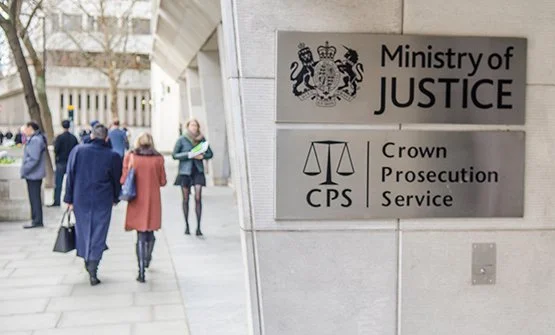
“Our duty is to make sure that the right person is prosecuted for the right offence, and to bring offenders to justice wherever possible.”
- Crown Prosecution Service
The Crown Prosecution Service (CPS) is the body responsible for deciding whether criminal cases go to court in England and Wales. It does not investigate crimes - that role sits with the police - but it makes the key legal decisions about prosecution.
What the CPS does
The CPS:
Reviews evidence gathered by the police
Decides whether a case meets the legal test to be prosecuted
Chooses the appropriate charge in more complex cases
Presents cases in court
Advises police during investigations
Has responsibilities to support victims and witnesses throughout the process
The CPS is independent of both the police and government ministers. Its stated duty is to prosecute fairly, without bias, and to seek justice - not simply convictions.
Source: Crown Prosecutors (CPS) Instagram
How decisions are made
Before charging, prosecutors apply a two-stage test:
Evidential stage - Is there enough evidence for a realistic prospect of conviction?
Public interest stage - Is it in the public interest to prosecute?
If either test is not met, the CPS may decide not to proceed - or to stop a case later in the process.
Accountability and structure
The CPS operates across England and Wales through 14 regional Areas, alongside specialist divisions that deal with serious and complex cases, such as organised crime, terrorism, and fraud.
While it is a non-ministerial department, it is accountable to Parliament and the public.
Why this matters
For victims and survivors, CPS decisions can determine whether a case progresses, pauses, or ends - and how transparent and respectful the process feels.
Understanding the CPS’s role helps clarify where decisions are made, who makes them, and what rights exist when things go wrong.
Guides
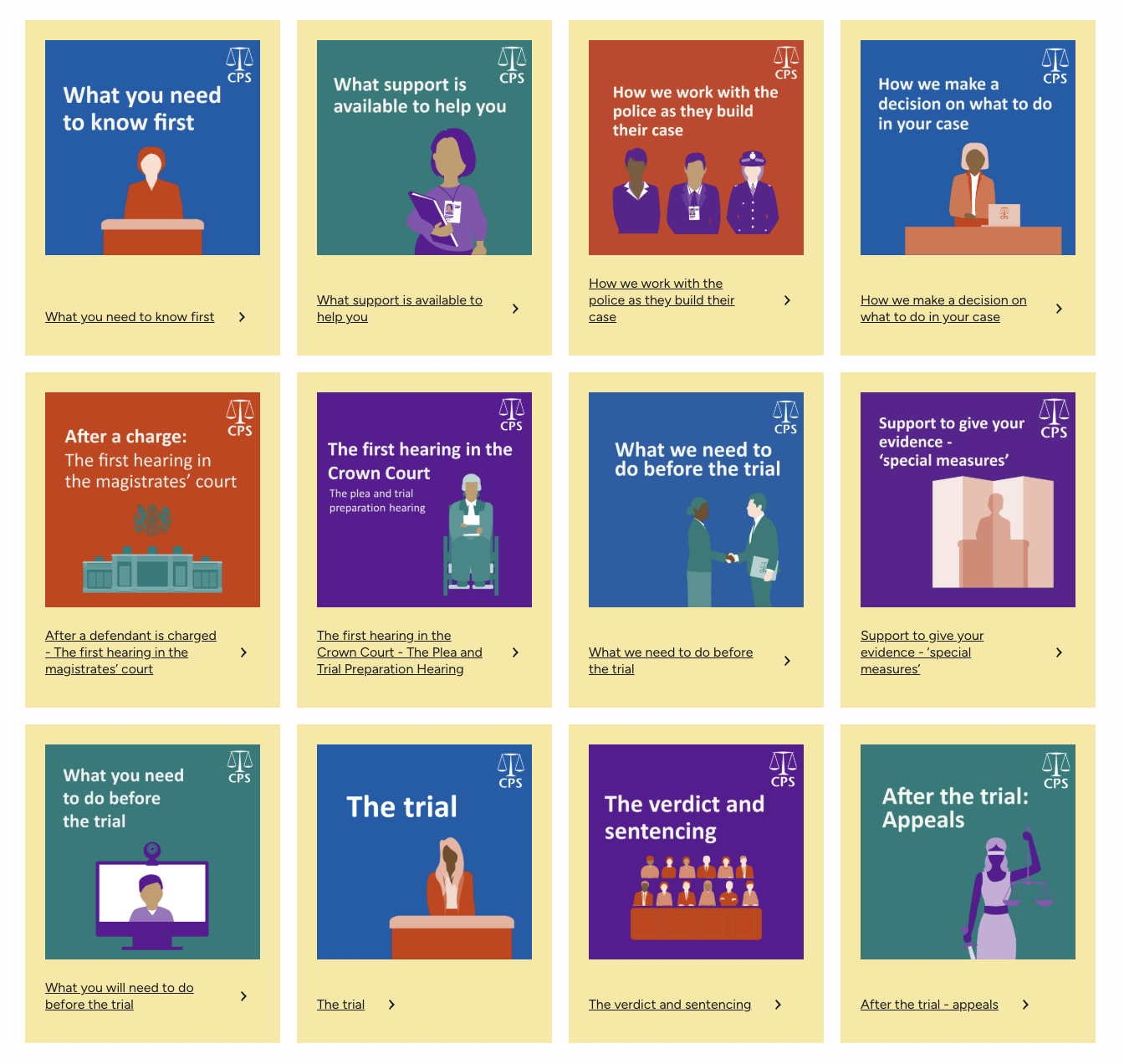
The CPS has created a series of guides to help you understand what to expect if a case is referred to them. These guides walk you through each stage of the criminal justice process - from the initial decision-making and support available, through court hearings and the trial, to verdicts, sentencing, and appeals.
They are designed to explain how the process works, what the CPS does at each point, and what support may be available to you along the way. Click on the image below to be directed to the CPS Guides.
Source: www.cps.gov.uk
Victim Service Standards: what victims can expect from the CPS
The CPS sets out a clear set of Victim Service Standards that explain how victims should be treated and supported throughout the prosecution process. These standards outline the CPS’s role, how it communicates with victims, and the level of service victims are entitled to expect.
They cover:
How the CPS works with victims and witnesses
How prosecution decisions are made and explained
What information and updates victims should receive
What support may be available, including special measures in court
Additional services for victims of rape and serious sexual offences
The right to make a Victim Personal Statement
The right to request a review of a decision not to charge
How to give feedback or make a complaint if service standards are not met
The CPS explains that it prosecutes cases on behalf of the state, not individual victims, and that its independence is intended to protect the right to a fair trial, while still recognising the importance of victims’ experiences.
For full details and step-by-step guidance, head over to the CPS website and its online guides.
Support for victims
The CPS provides information about the support available to victims and witnesses involved in the criminal justice process on its website. This includes guidance for people affected by different forms of abuse and violence, as well as practical support before, during, and after court proceedings.
The CPS signposts support for victims of:
Domestic abuse
Rape and sexual assault
Stalking or harassment
Honour-based abuse
Forced marriage
Female genital mutilation (FGM)
The site also explains key forms of support and protection, including:
Special measures
Adjustments that can be requested to help victims and witnesses feel safer and more comfortable when giving evidence in court. These measures can change how, when, or where evidence is given, recognising that a standard courtroom setting can feel intimidating or overwhelming.
Special measures are not automatic and must be formally applied for.
Examples of special measures include:
Screens in the courtroom to prevent the witness from seeing the defendant
Giving evidence by live video link from another room or location
Pre-recorded evidence, including video-recorded interviews and, in some cases, pre-recorded cross-examination
Clearing the public gallery while evidence is given
Intermediaries to help with communication and understanding
Interpreters or communication aids, including sign-language support
Adjusted courtroom layouts to reduce proximity or visual contact with the defendant
Further explanation is available through the Crown Prosecution Service online Victims’ Guide.
Victim Personal Statements
A Victim Personal Statement is a way for victims to explain how a crime has affected them, in their own words. It gives space to describe the emotional, physical, practical, or financial impact of what happened, beyond the details of the offence itself.
The statement is about impact, not evidence. It does not affect whether someone is found guilty, but helps the court understand the harm caused if there is a conviction.
Victim Personal Statements are optional and flexible. Victims can choose:
Whether to make a statement
When to make it
Whether it is written or recorded as a video
Whether it is read or played aloud in court
A statement can be updated or withdrawn later if circumstances change. Support may be available to help victims understand their options and feel comfortable with the process.
Further guidance is available through the Crown Prosecution Service Victims’ Guide.
Interpreters and accessibility
Where needed, the CPS will arrange an appropriate interpreter to support communication, protect privacy, and reduce distress.
Restraining orders
The CPS works with the police to request restraining orders where appropriate, to help protect victims from further harm. These orders can be made even if a defendant is not convicted.
For full details, eligibility, and step-by-step guidance, head over to the CPS website and its online support pages below.