
How Berberè Pizzeria is bringing conversations about consent into everyday spaces
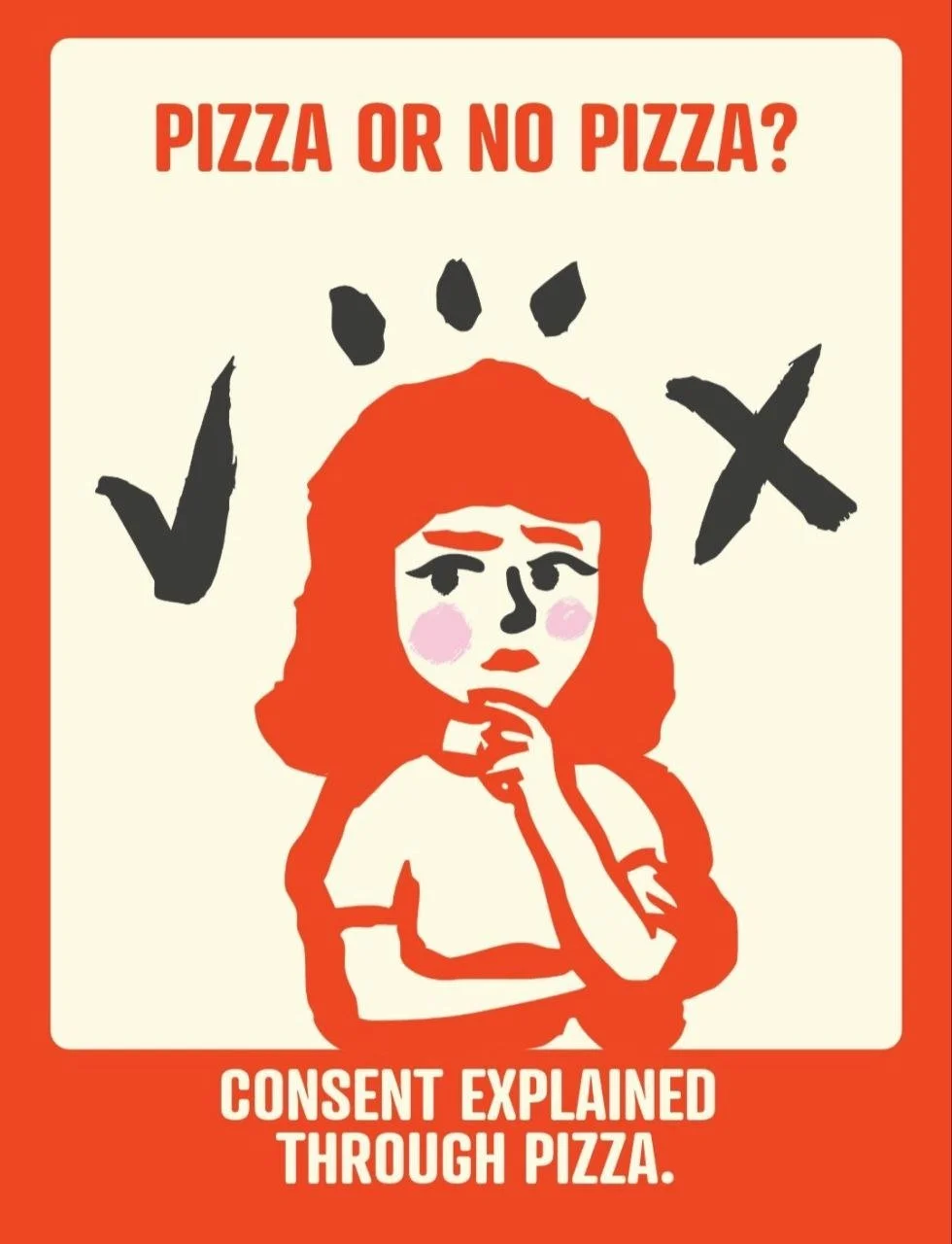
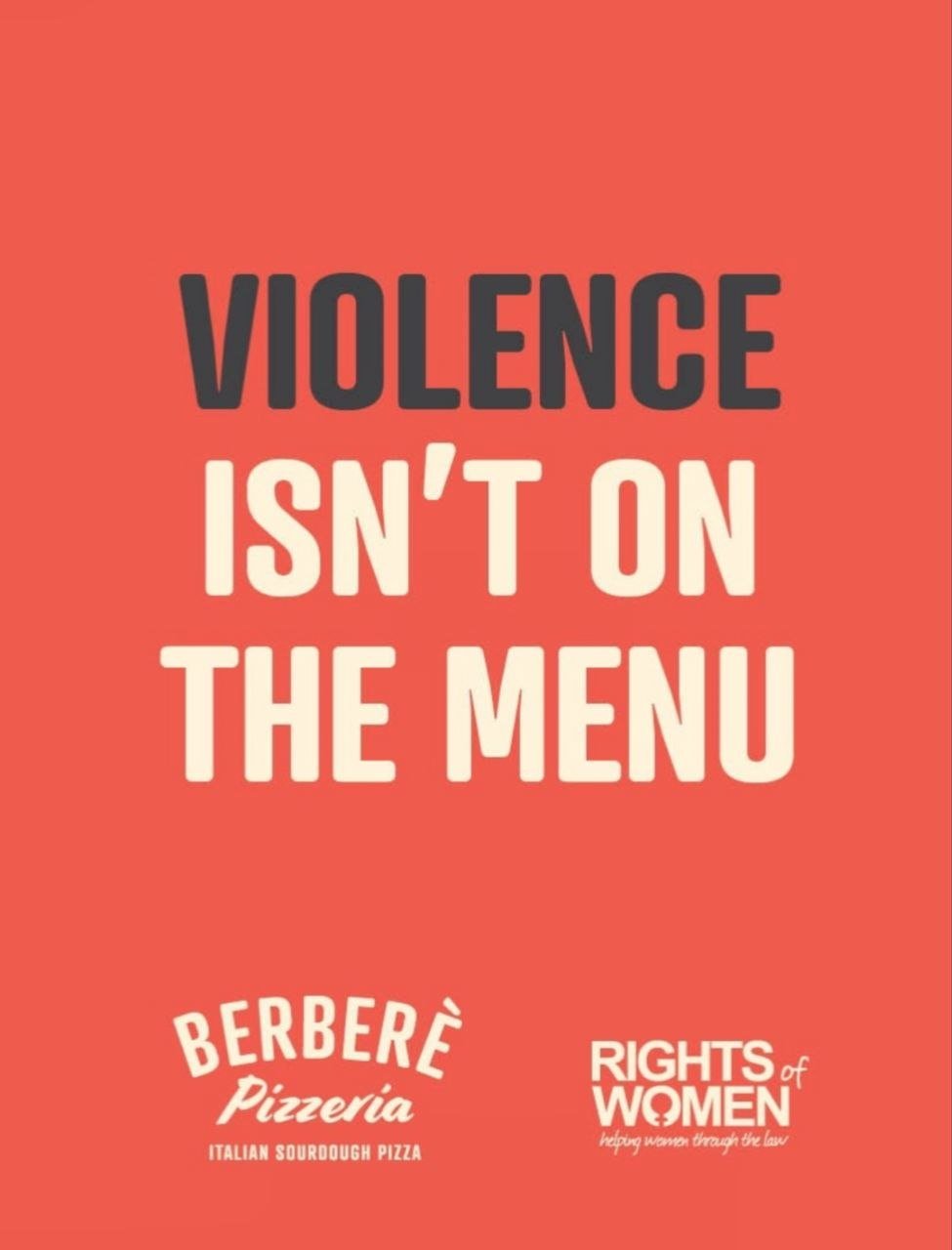
Conversations about sexual violence shouldn’t be confined to courtrooms, campaign groups or awareness days. Sometimes, they can start somewhere as ordinary as your local pizzeria. That’s exactly what Berberè Pizzeria is doing with a recent Instagram post tackling consent.
Using a simple question, “Pizza or no pizza?”, the restaurant explains consent through something almost everyone can understand: ordering food.
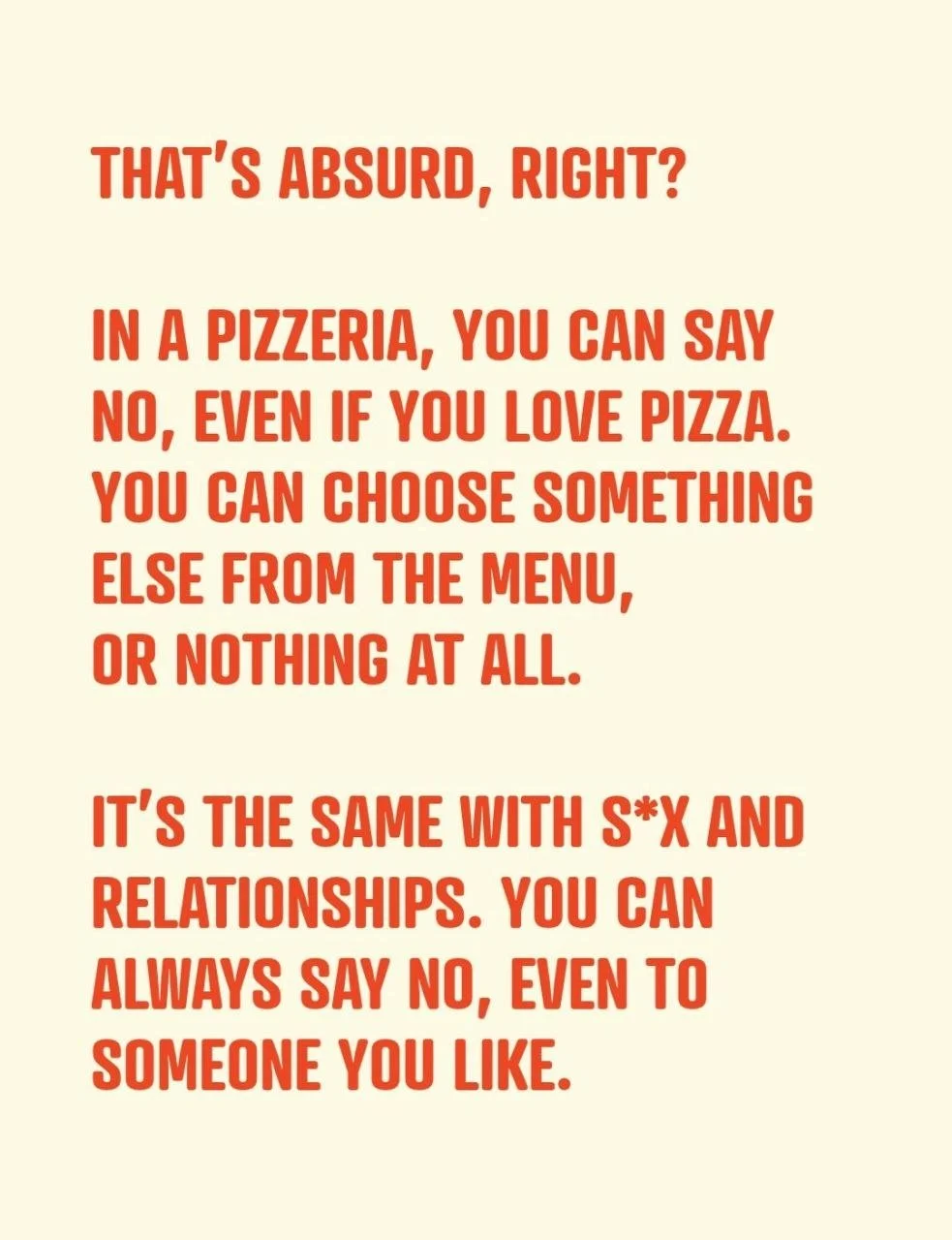
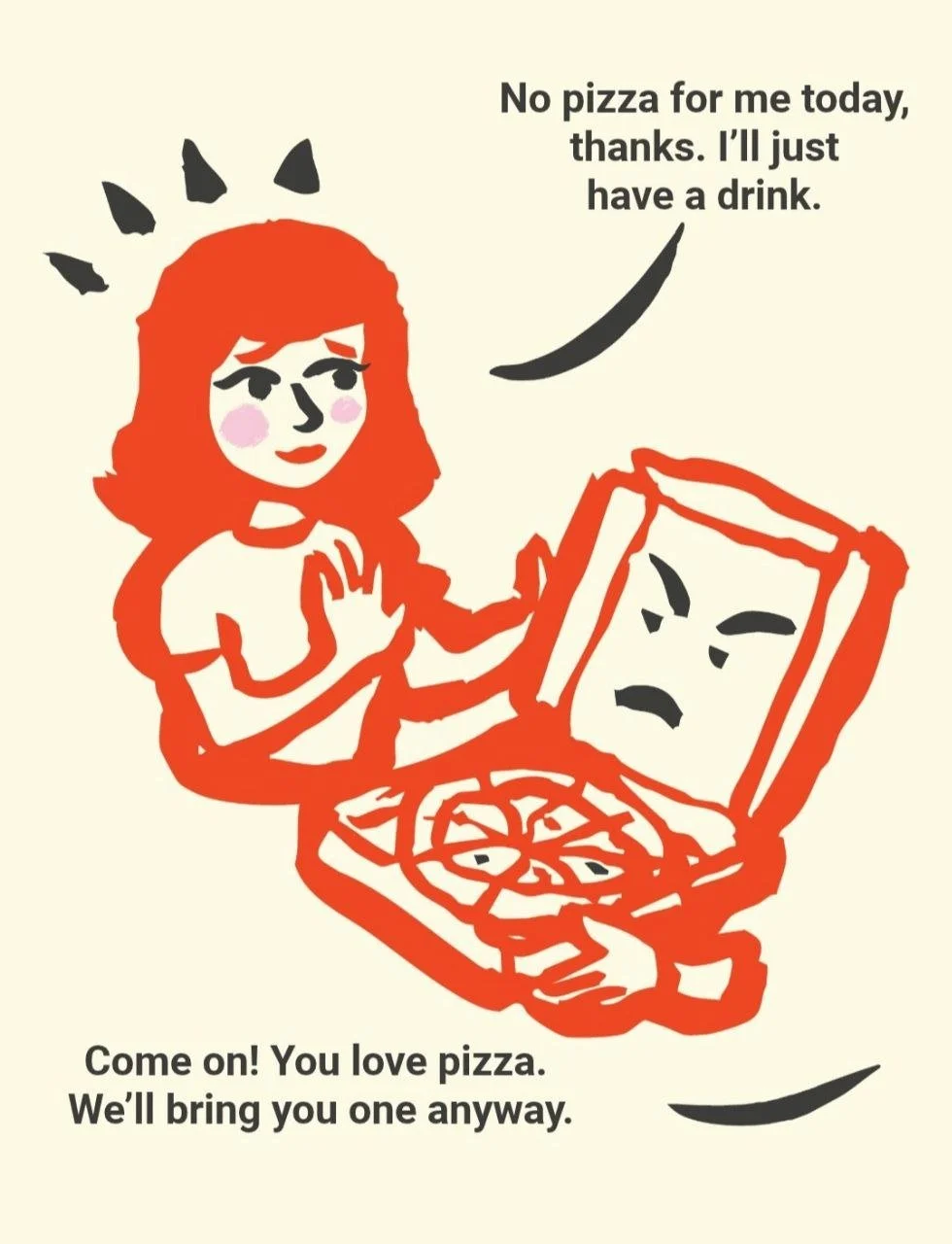
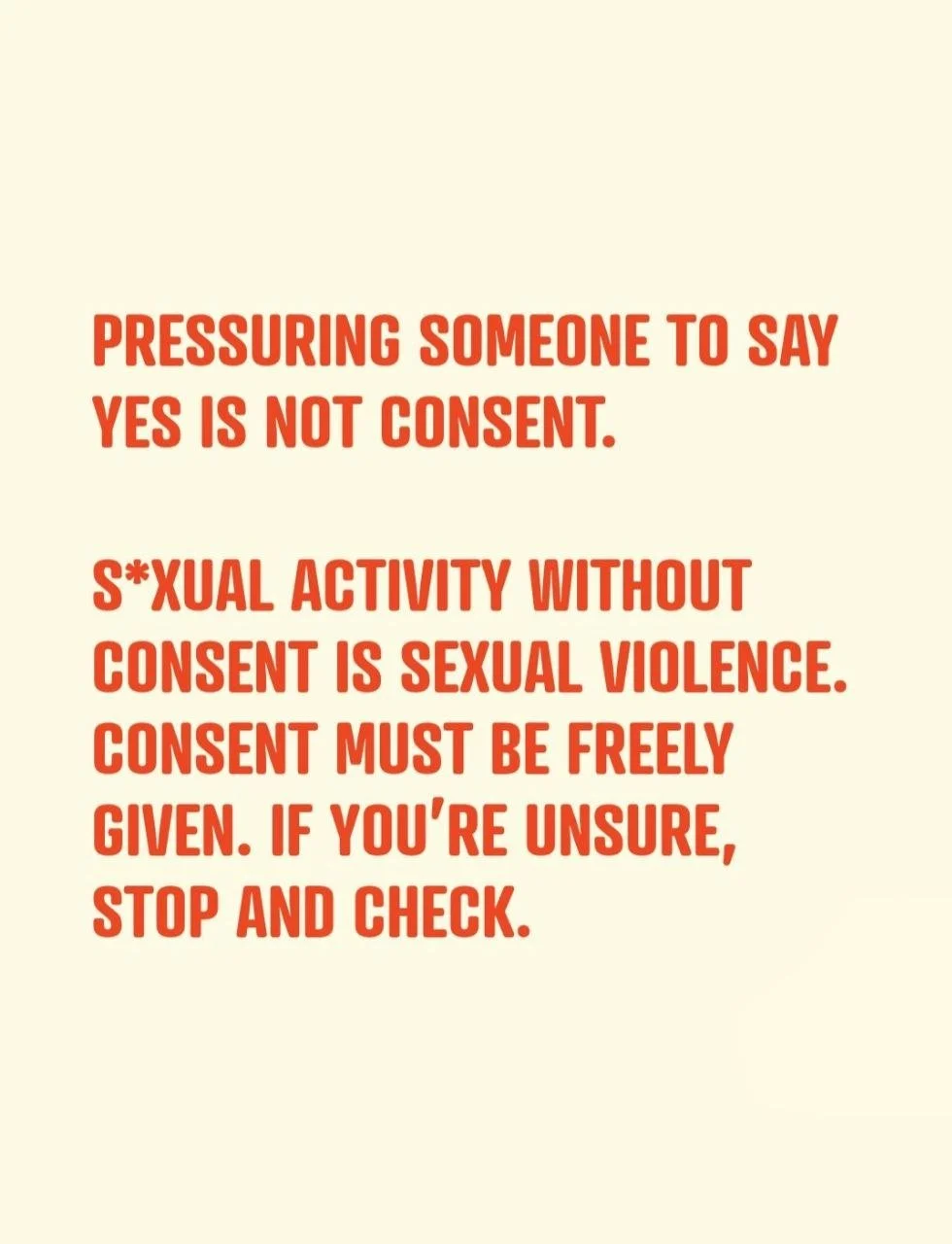
The premise is straightforward. Imagine telling someone you don’t want pizza, only for them to insist you have it anyway. Perhaps you’ve enjoyed pizza before. Perhaps you’re sitting in a pizzeria. Neither means you’ve agreed to eat it today. It sounds absurd, doesn’t it? Yet when it comes to sex and relationships, these same boundaries are too often questioned, challenged or ignored. The message is clear: pressuring someone into saying yes is not consent.
Taking the conversation beyond the usual spaces
What makes this particularly powerful isn’t just the message, but where that message is coming from. Berberè isn’t a specialist support organisation or a campaigning charity. It’s a pizzeria. An everyday establishment where people meet friends, share food and go about their lives. And this isn’t new territory for them.
Having followed Berberè for some time, I’ve seen them consistently use their platform in Italy to raise awareness of violence against women.
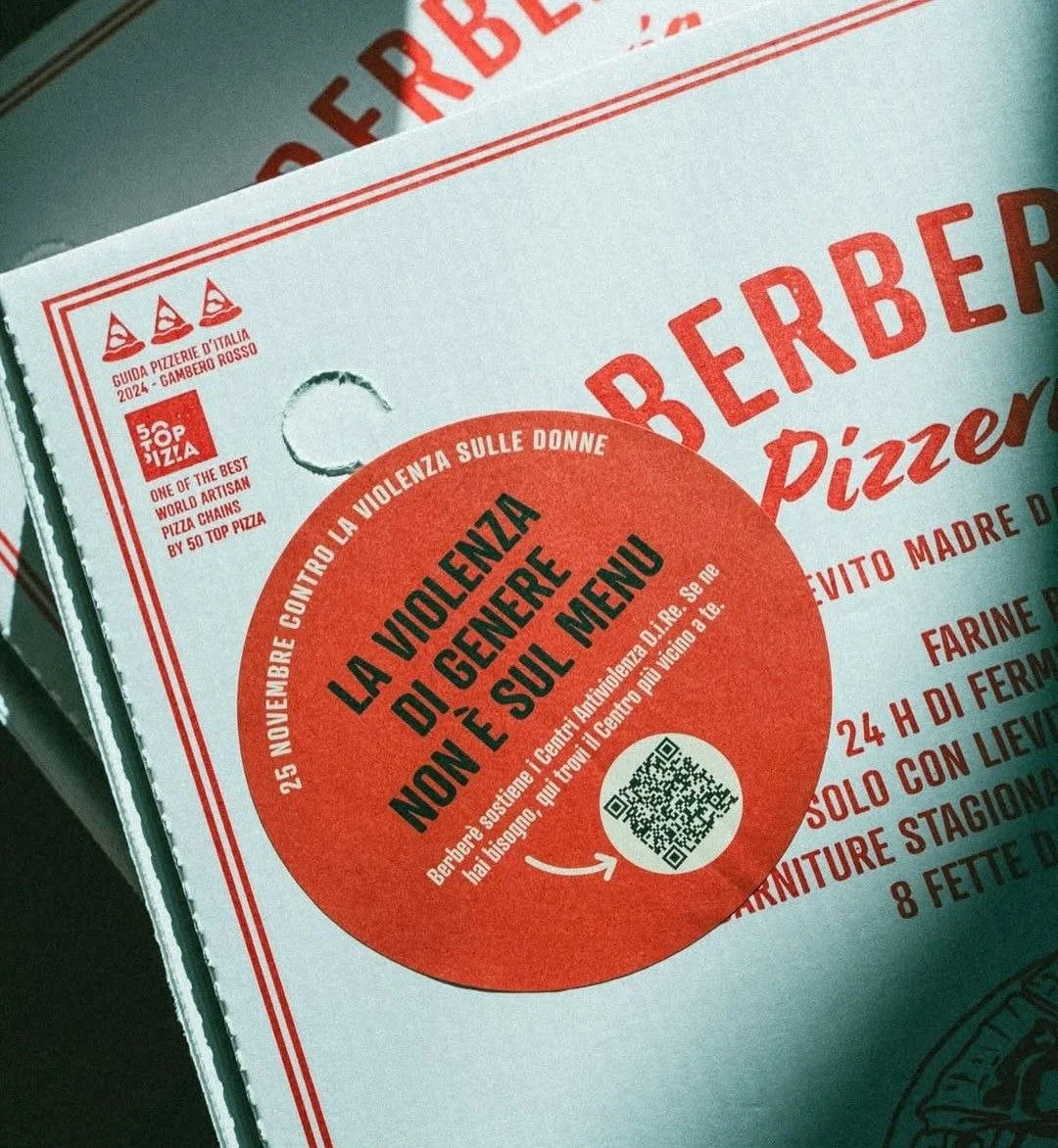
In November 2025, to mark the International Day for the Elimination of Violence against Women, Berberè shared the message “La violenza di genere non è sul menù” - gender-based violence isn’t on the menu.
But they went beyond posting about it online. Across their Italian restaurants, they used pizza boxes, stickers, and postcards featuring QR codes that direct women experiencing violence to local anti-violence support services. They also highlighted the work of the Italian anti-violence centre network D.i.Re. It’s a practical example of taking an important conversation into the spaces people already occupy. And that’s precisely why this matters.
For too long, conversations about sexual violence have largely fallen to survivors, charities and advocates - people who are often already carrying the emotional weight of challenging harmful attitudes and demanding change. But preventing sexual violence is a responsibility that extends far beyond those directly affected.
When businesses use their platforms to challenge misconceptions about consent, they help bring these conversations to audiences who might never actively seek them out, not through complicated legal language or frightening statistics, but through accessible examples that encourage people to think differently.
Making consent everyone’s conversation
In its latest UK post, Berberè also uses the opportunity to signpost Rights of Women, a charity providing specialist legal advice to women experiencing violence and abuse. It’s a small but meaningful addition. Raising awareness is important, but so is helping people understand where they can turn for support.
Of course, a social media post alone won’t dismantle the attitudes that allow sexual violence to persist. Meaningful change requires education, accountability and institutions willing to challenge harmful behaviour. But cultural change happens in everyday spaces, too, in restaurants, workplaces, pubs, schools and conversations between friends. And perhaps that’s what makes Berberè’s approach so refreshing. This isn’t simply a business responding to a trending conversation. It’s an example of how an everyday establishment can repeatedly use its reach to raise awareness, challenge attitudes and direct people towards support.
You don’t have to be a specialist organisation to contribute to a serious conversation. You simply have to be willing to have it. At Make Yourself Heard, we believe challenging sexual violence and the attitudes surrounding it must be a collective responsibility. Because consent isn’t a niche conversation, and preventing sexual violence shouldn’t be left to survivors alone. Sometimes, even a pizza can help make that point.