
When The News Never Stops
Coping with the constant weight of these stories
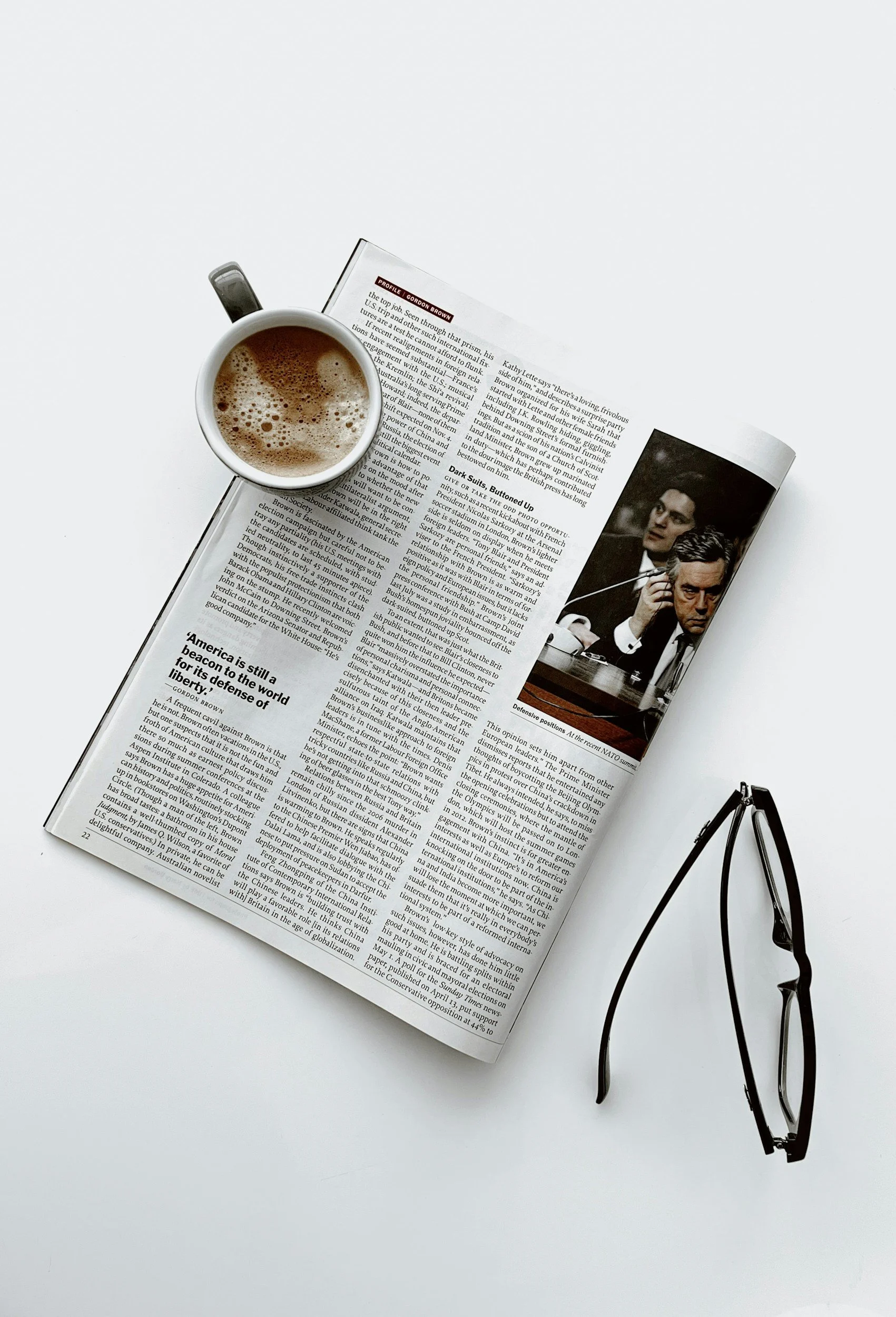
Some days, the news doesn’t just inform us - it presses on us.
Stories of violence against women and girls.
Police failures that feel systemic, not exceptional.
Powerful men protected by money and status; women silenced.
Names surface again and again - Sean Combs, Jeffrey Epstein - reminders of how long abuse can hide in plain sight when power is involved. And this week, the pattern feels especially relentless.
In France, last year, Gisèle Pelicot chose to waive anonymity after enduring years of abuse facilitated by her husband and dozens of other men. Her refusal to be silent has forced a global reckoning about consent, complicity, and how easily harm can be normalised. Recently, a strikingly similar case emerged in Germany - again involving drugging, repeated sexual violence, and years of betrayal hidden behind domestic normality. And just yesterday, a UK case made the headlines too: prolonged abuse, multiple charges, multiple men, and yet another reminder that this is not “over there”, not “rare”, not “unthinkable”.
These stories don’t stay in the headlines. They filter down into everyday life.
Into how women and girls move through the world. Into the calculations we make about safety. Into the quiet, exhausting vigilance that becomes second nature.
This is cumulative. It’s not just shock - it’s weight.
The weight we carry
There’s a particular fatigue in watching the same pattern repeat:
Warnings ignored.
Survivors doubted.
Systems are slow to act.
Accountability delayed - if it comes at all.
Even when justice eventually arrives, it rarely restores trust. And it almost never gives back what was taken.
If you feel angry, numb, or overwhelmed, that isn’t fragility. It’s a rational response to a world that repeatedly asks women to absorb its failures.
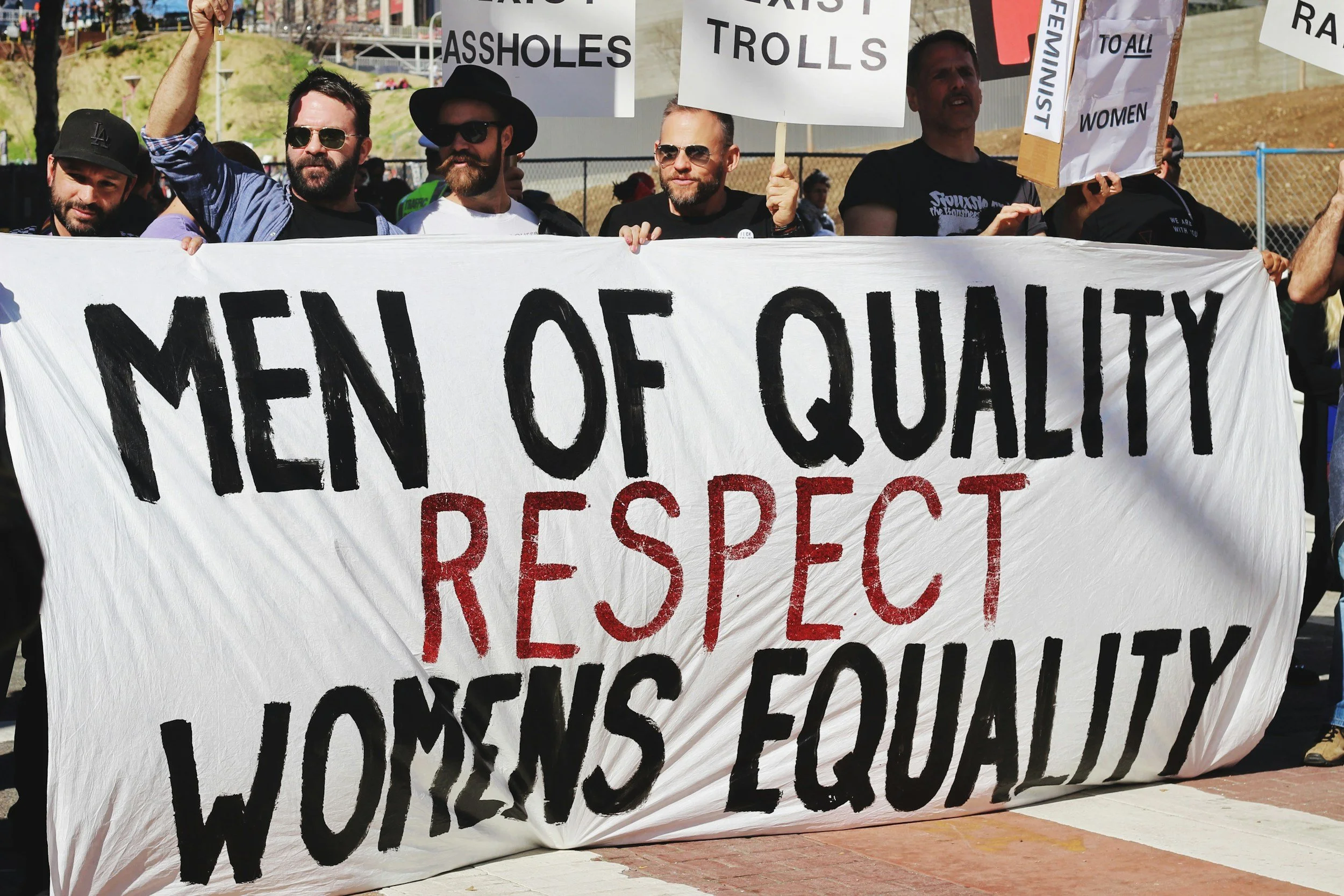
A call for allyship - especially to men and boys
This cannot sit on women’s shoulders alone. Allyship is not passive support after the fact. It is an active, everyday intervention.
Being an active bystander means:
Challenging sexist jokes and comments when they happen
Believing women the first time
Calling out friends, colleagues, peers - even when it’s uncomfortable
Not waiting for a conviction or a viral headline before caring.
Discomfort is not harm. Silence is. Men and boys: your voices matter because they are often listened to. Use them.
Finding balance when it feels overwhelming
We can’t look away - but we don’t have to drown in it either. A few grounding truths:
You are allowed to step back from the news.
You are allowed joy alongside rage.
You don’t need to consume every story to care.
Rest, art, movement, community - these are not indulgences, they are survival.
Balance is not apathy. It is how we preserve ourselves so we can keep showing up.
Holding truth and hope
Yes - it is heavy.
But there is also resistance, solidarity, and refusal.
Every conversation that interrupts misogyny.
Every ally who steps in.
Every survivor who is believed.
These moments matter, even when the headlines suggest otherwise.
You are not imagining the weight.
You are not alone in carrying it.
And you do not have to carry it silently.