
Why Did It Take Public Outrage?
Why does it so often feel like justice only starts listening once the
public starts shouting?
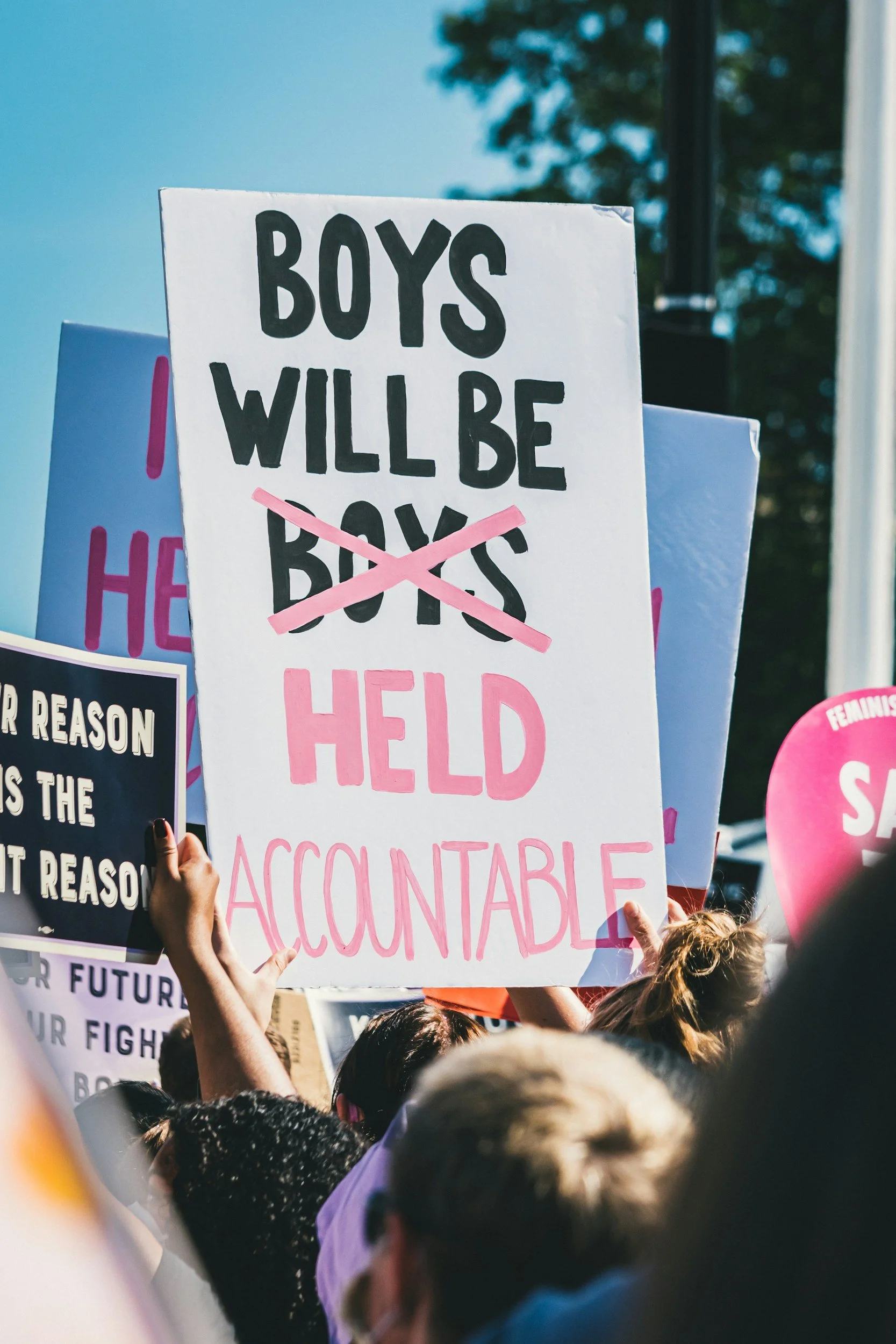
The Attorney General is reviewing the sentences handed to three teenage boys convicted of multiple rapes against two girls in Hampshire, following widespread criticism that the outcome was too lenient.
The boys - aged 14 and 15 at the time of the offences - received Youth Rehabilitation Orders rather than custodial sentences, despite being convicted of 10 counts of rape between them. The assaults were filmed, and some footage was later shared online.
The case has sparked national debate around youth sentencing, misogyny, rehabilitation, online culture, and how the justice system responds to serious sexual violence committed by children.
Former safeguarding minister Jess Phillips described the sentences as appearing “unduly lenient” and warned they risk sending “a bad message” to victims and the wider public.
During sentencing, Judge Nicholas Rowland said he wanted to avoid “criminalising” the “very young” boys, while still acknowledging the seriousness of the offences and the aggravating factor of filming the attacks. The review is now being considered under the Unduly Lenient Sentence scheme, which allows the Attorney General to refer cases to the Court of Appeal if a sentence is believed to fall outside the normal range for the offence. But what feels deeply uncomfortable for many people is this:
Why did it take national outrage for serious concern to be shown?
Two girls endured immense trauma. The offences were filmed. Footage was shared online. Victim impact statements described devastating psychological harm. And yet it was only after intense media attention, public backlash and political pressure that the sentences were referred for review. That inevitably raises difficult questions around public confidence in the justice system - particularly for survivors of sexual violence. Because many people will understandably ask:
Would this have been reviewed without the headlines? Without the public anger? Without politicians publicly condemning it?
The conversation here is not simply about punishment versus rehabilitation. It is also about accountability, harm, deterrence, and the wider message outcomes like this send to victims, perpetrators and society.
And for many survivors, that uncertainty is exhausting. The feeling that justice can sometimes appear reactive - rather than consistently survivor-centred - is part of why trust in the system remains so fragile.
At the same time, the case also exposes wider societal failures around misogyny, online culture, violence among young boys, and the normalisation of humiliation and sexual harm as “content”.
One of the victims described feeling “ashamed, insecure and uncomfortable” in her own body, while another said: “All I want to do is die.”
The review now matters. But so does asking why it required this level of public outrage to get here in the first place.