
Not the Perfect Victim
How Silence, Trauma and Neurodivergence Shaped My Voice
By Anna Kahill
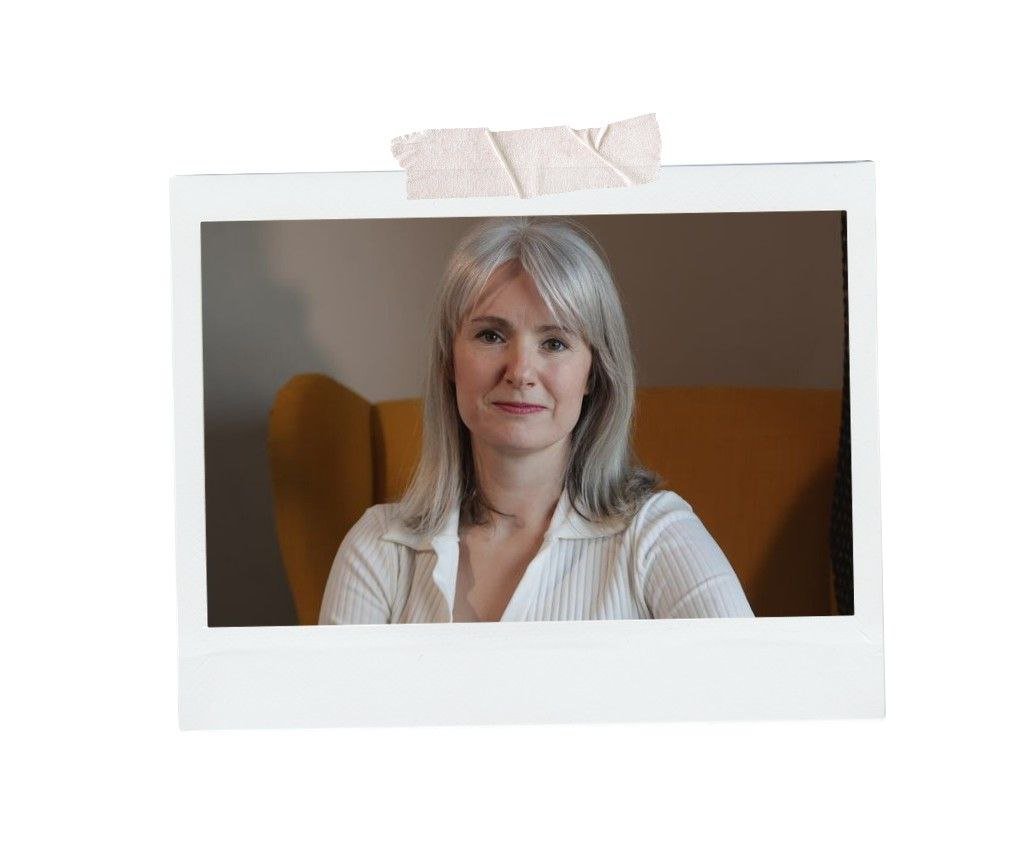
Anna Kahill is a writer and survivor from Northern Ireland.
Writing under a pen name, she explores the intersections of trauma, neurodivergence and justice. Her memoir Not the Perfect Victim examines sexual violence, a late autism diagnosis, and the realities of navigating the criminal justice system as a survivor.
I write in the first person. But the “I” is never only me.
It stands for the many people who cannot say “I” at all. Those forced into silence by shame, fear, disbelief, or the systems meant to protect them.
So when I write “I”, I write for myself.
And for them.
For a long time, my story had no language.
At nineteen, one night changed the course of my life. It was rape. But I did not call it that. Not for years.
Instead, the experience folded itself quietly into my life. I carried it through university, through work, across countries and relationships, through motherhood and grief. On the outside, things looked ordinary. Inside, there was a silence I could not explain.
For years I believed the myth myself.
I believed that somehow I was responsible. That I had misunderstood what had happened. That if my response did not match what victims were supposed to do, then perhaps I was not one.
That belief did not come from nowhere. It came from the stories our culture tells about rape and about victims.
If a rape victim cannot recognise what happened within their own life, how can a jury be expected to recognise it in a courtroom?
It took nearly two decades for me to begin to understand what had happened and the impact it had on my life.
A late diagnosis of autism helped explain many of my trauma responses and why my story did not look like the one the justice system expects from victims.
The dominant narrative of rape assumes a simple script: immediate recognition, resistance, and immediate reporting. In reality, trauma responses are not choices but automatic survival responses. Many survivors, neurotypical and neurodivergent alike, freeze, fawn, comply, or take years to understand what happened. For some neurodivergent survivors, differences in processing and social conditioning can make fawning more likely and recognition slower. These are dynamics predators are often skilled at exploiting.
Trauma does not unfold on a legal timeline.
Memory fragments. Meaning arrives slowly. The understanding that it was never my fault arrived slower still.
The criminal justice system leaves little room for that complexity.
It still relies on narrow expectations of how a “real” victim behaves. The victim must fight back, report immediately, remember consistently, show the right emotions, and produce the right evidence at the right time.
Real lives rarely look like that.
Mine certainly did not.
In my own case, the evidential threshold for prosecution was not met. The realities of my trauma responses, shaped by neurodivergence and time, did not align closely enough with what the system recognises as enough evidence.
Writing became the place where I began to untangle these contradictions.
I am not only writing about my story.
I am writing about the distance between lived experience and a system that still struggles to understand trauma. It is a system that gatekeeps even a fighting chance at justice for the “perfect victim”.
But the truth is simple.
There is no such thing as the perfect victim.
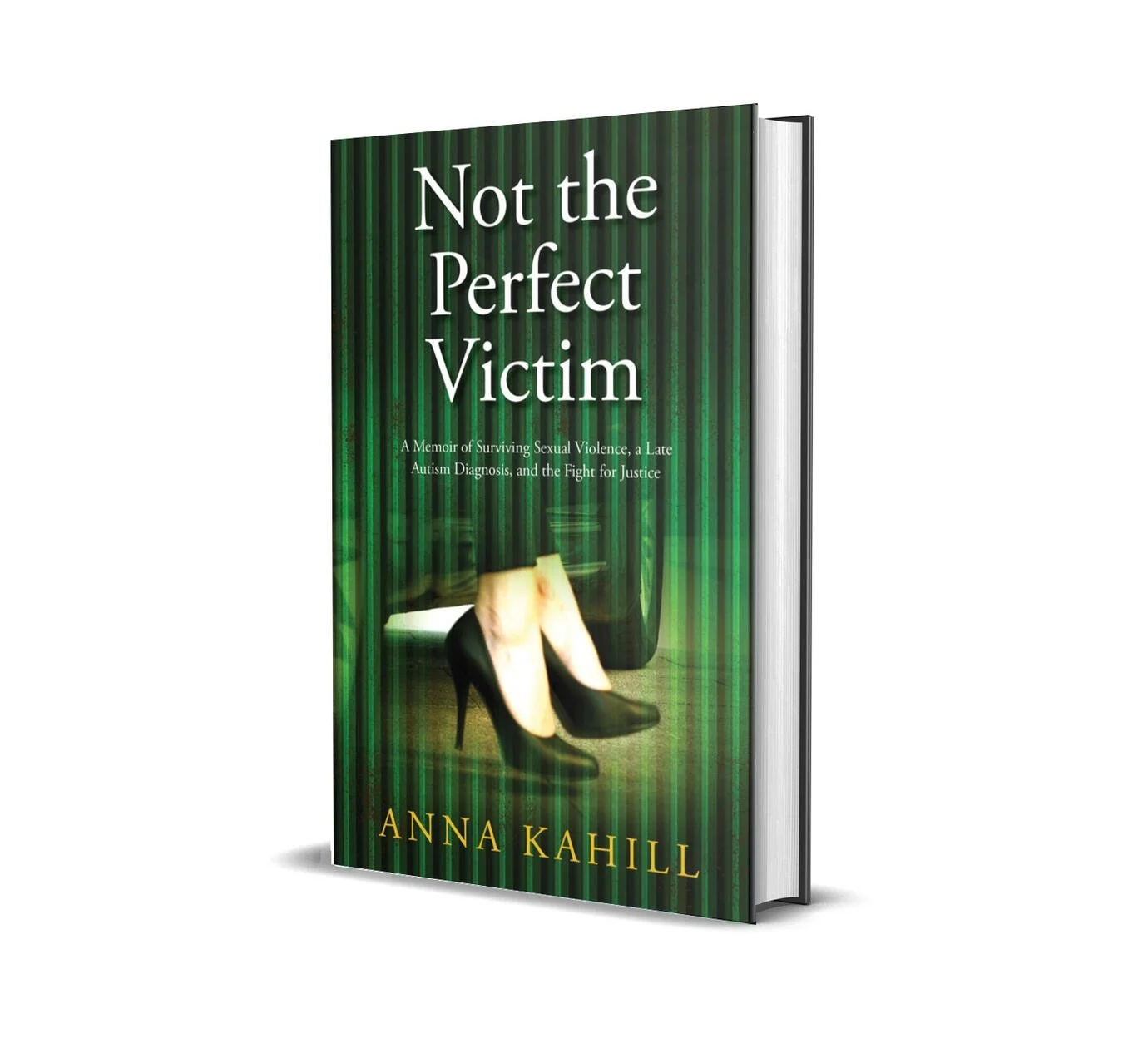
Click on the image to purchase the book from Waterstones