
Journal
Where lived experience meets reflection and commentary.
M.Y.H x Journal brings together personal stories, opinion pieces and thought-provoking perspectives from Jade Blue and guest contributors. Exploring everything from justice and women's rights to culture and social change, this is a space for honest conversation and fresh perspectives.

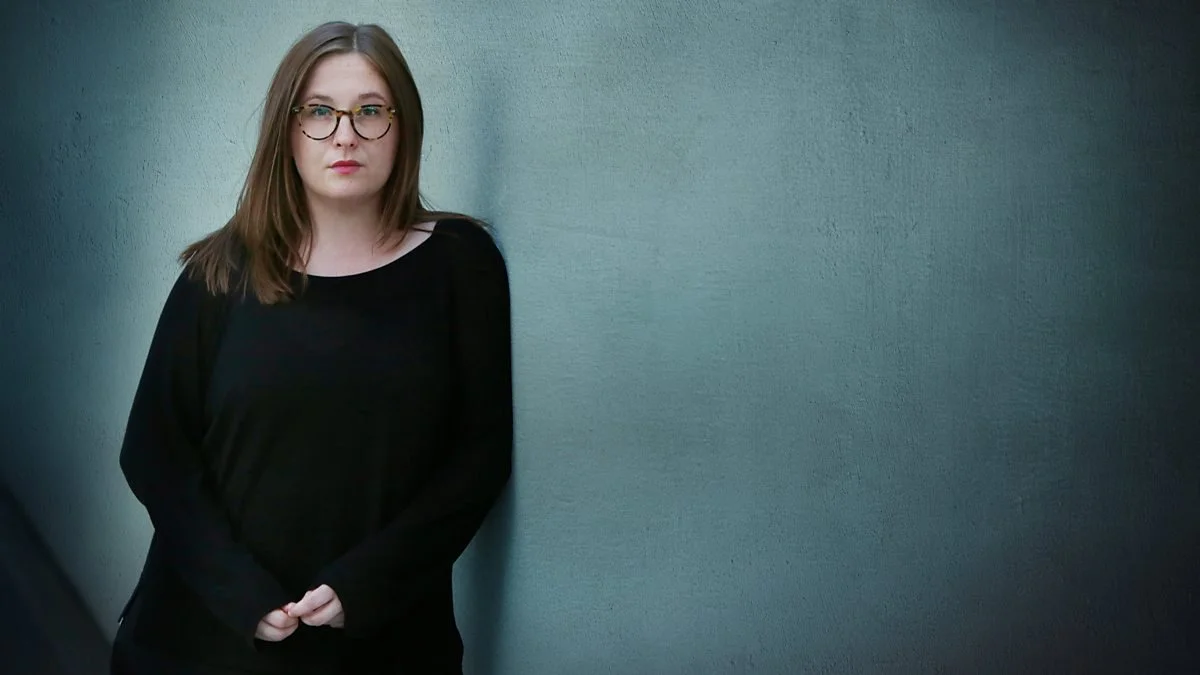
Four Years Since I Told My Story
Four years after publicly waiving her anonymity, Jade Blue reflects on the moment she first told her story, the fight for answers that followed, and how those experiences eventually led to the creation of Make Yourself Heard - a space for rights, lived experience, campaigning and community.

The Justice Reform Meeting My WHOOP Mistook for Ice Hockey
After a meeting with the Lord Chancellor on the Courts and Tribunals Bill, Jade Blue reflects on the Crown Court backlog, the case for piloting meaningful reform, and why victims can still feel like an afterthought. When her WHOOP recorded part of the meeting as “ice hockey”, it also became a reminder of the very real physical cost of advocacy.

Finding Our Voice: Inside the Violet Choir
A first-person reflection on stepping into the Violet Choir - part of Stephanie Singer’s Violet - and discovering how a story about sexual violence, reporting and survival can become something collective, creative and full of sound. A piece about voice, community, and making space for more than trauma.
Don’t Feel Sorry for Us
Survivors are pushing back against the idea that supporting jury trial reform means they have been misled. This feature asks who gets treated as an expert on justice, why lived experience matters, and why even small improvements to court delays deserve serious consideration.

When Justice Adds to Trauma
For many victims and survivors, reporting a crime is only the beginning. Delays, poor communication and difficult justice processes can deepen trauma and erode trust. As the Courts and Tribunals Bill returns to Parliament, this Journal looks at the human cost of court delay, why victims’ experiences must be part of the reform conversation, and why faster justice must also mean better justic
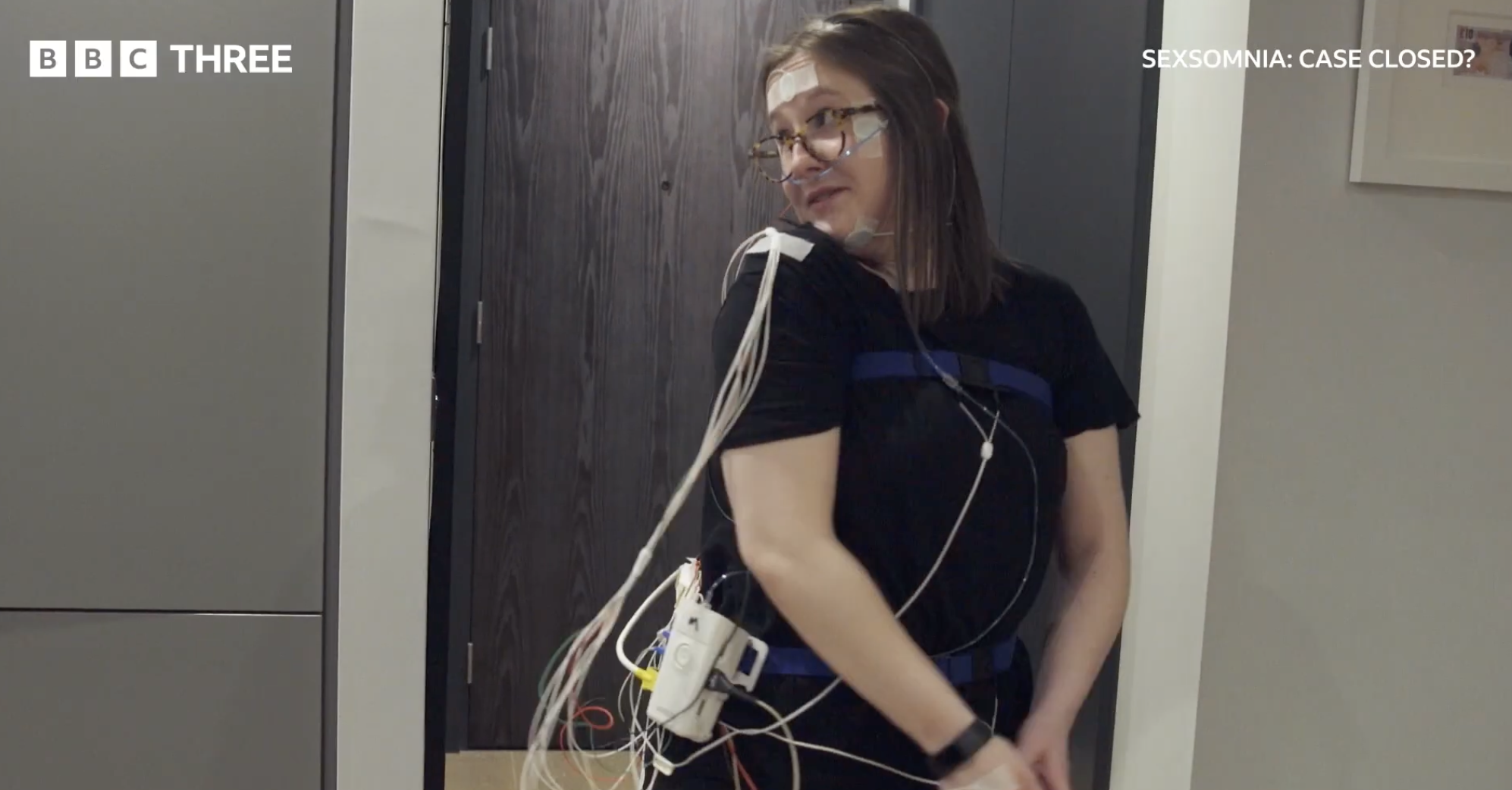
A Sleeping Person Cannot Consent
Jade Blue reflects on The Times investigation into online content depicting sexual violence against sleeping and unconscious women, and how closely it connects to her own rape case, the introduction of a sexsomnia defence, and the unanswered questions that still remain.
Post-Traumatic Growth
A personal reflection on post-traumatic growth after sexual violence, and the complicated reality that healing does not always mean leaving pain behind. This piece explores how change, strength, and a renewed sense of self can coexist with the lasting impact of trauma.

M.Y.H Is One
One year of Make Yourself Heard: reflecting on how a small idea has grown into a community rooted in lived experience, shared voices and the belief that being heard can help create change.

Women in Whitehall
Women in Whitehall was born from being told “no” - too junior, too niche, too difficult to publish. Dalia and Daniella decided to build the platform they wished had existed for them: one where young women can share their ideas, build confidence, gain recognition and be taken seriously in political and academic spaces.
The CPS and the Simon Levy Case
The CPS has apologised after prosecutors failed to tell the court that Simon Levy was being investigated for rape and murder when bail was considered. Jade Blue reflects on the limits of institutional apologies and asks what meaningful accountability must now involve.
Left Waiting, Again
Victims and families have been forced to live through weeks of uncertainty as early release plans have been announced, paused, reviewed and changed. This journal reflects on the anger behind that uncertainty - and why victims cannot keep being treated as an afterthought in decisions that directly affect their safety and lives.
The Fight Didn't End in Court
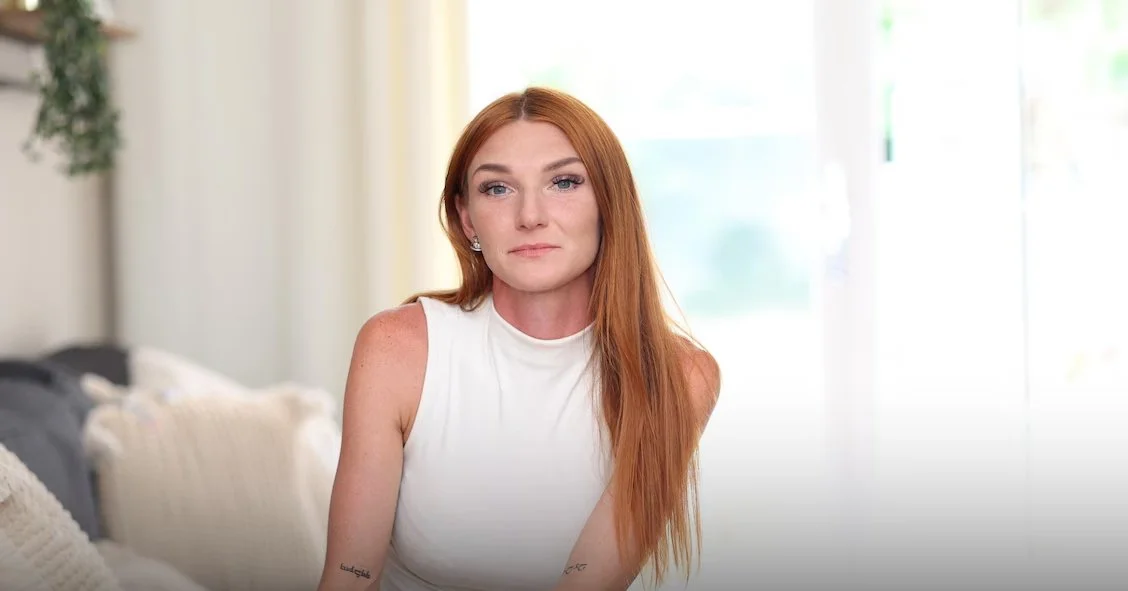
Jade Belgrove shares her experience of childhood grooming, rape and seeking justice years later. She reflects on the lasting impact of the abuse, the uncertainty created by changes to sentencing, and why she is now campaigning alongside other survivors to ensure their voices help shape a fairer future.
The Fear of Falling Back
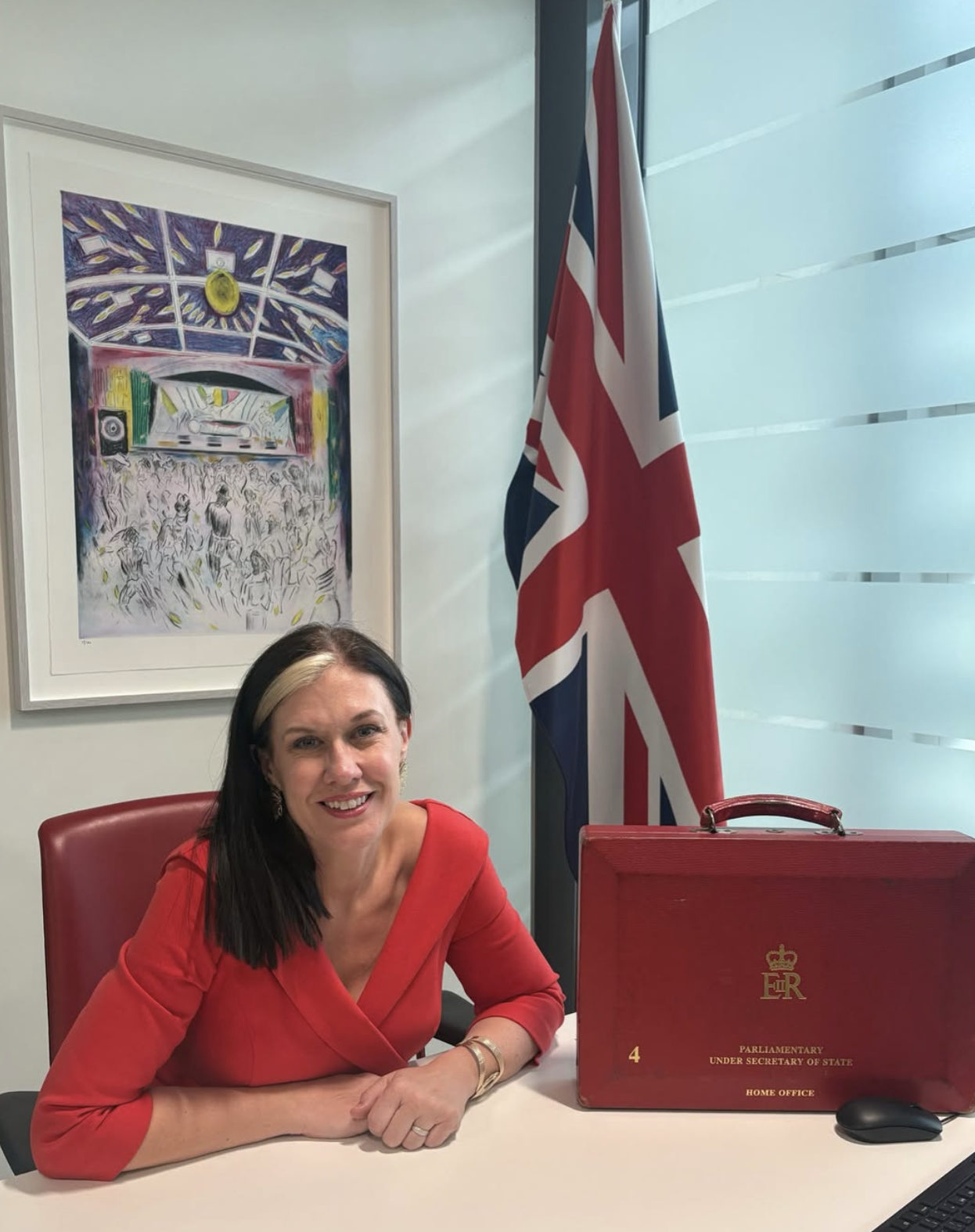
A reflection on the fear that can come when anxiety returns after years away, and why seeking therapy or stepping back from something that has become overwhelming is not failure. Inspired by Natalie Fleet’s openness, it explores how trauma, health and new pressures can remain intertwined - and why listening to yourself sooner can be a sign of progress.

Early Release: Living in Fear
An anonymous survivor shares the devastating impact that uncertainty around the government's early release plans is having on their daily life. From sleepless nights and recurring nightmares to fears for their safety, this powerful reflection highlights the lasting trauma survivors can face long after a conviction.
More Than a Guidance Update
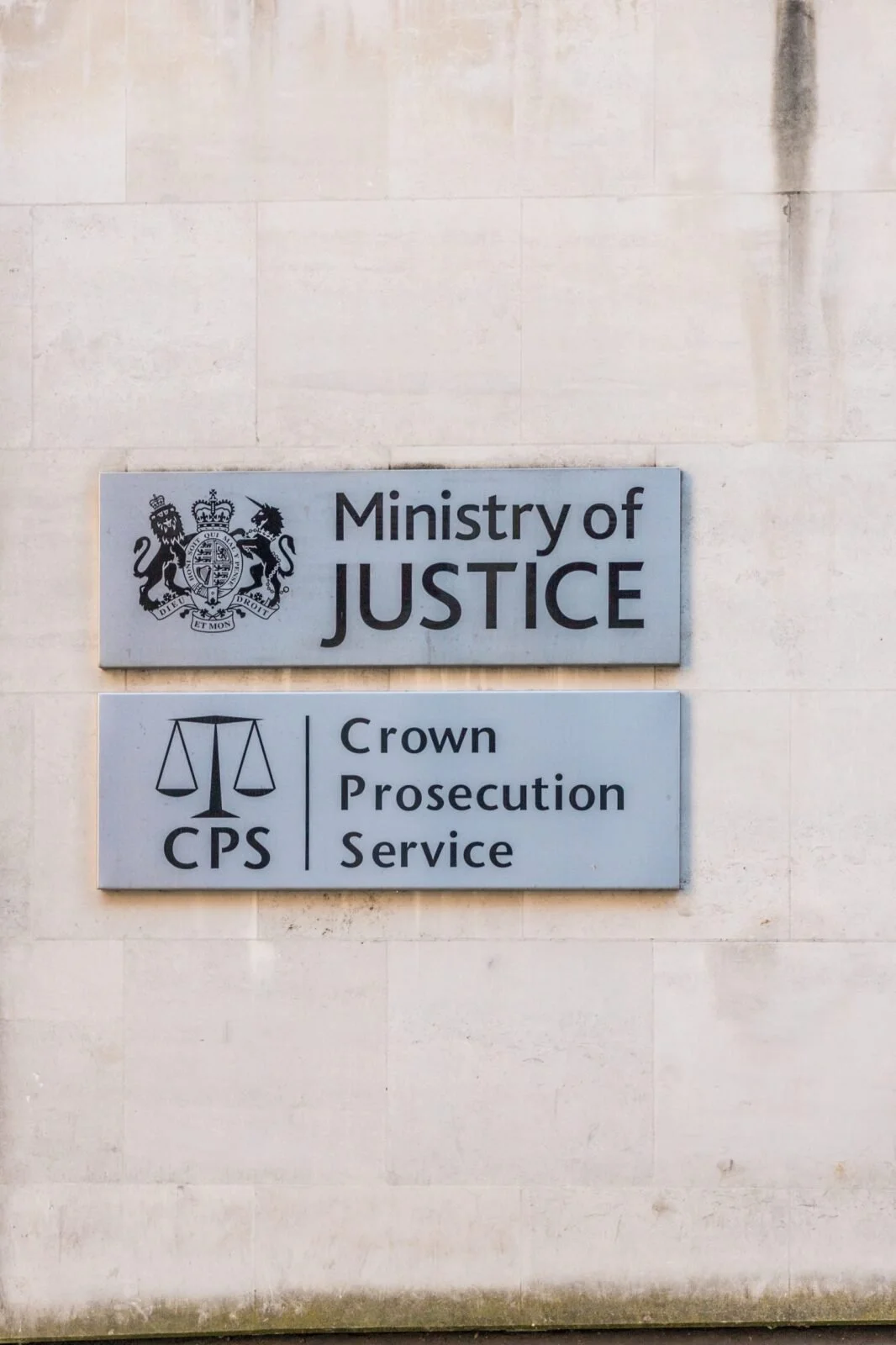
When the defence raised sexsomnia, Jade Blue's rape trial was stopped just 13 days before it was due to begin. Years later, following a successful Victims' Right to Review and legal action against the CPS, new guidance has been introduced to help prosecutors more robustly scrutinise sexsomnia claims and expert evidence. In this personal reflection, she explores why the update matters and what it could mean for future cases.
When You Become Your Own Advocate
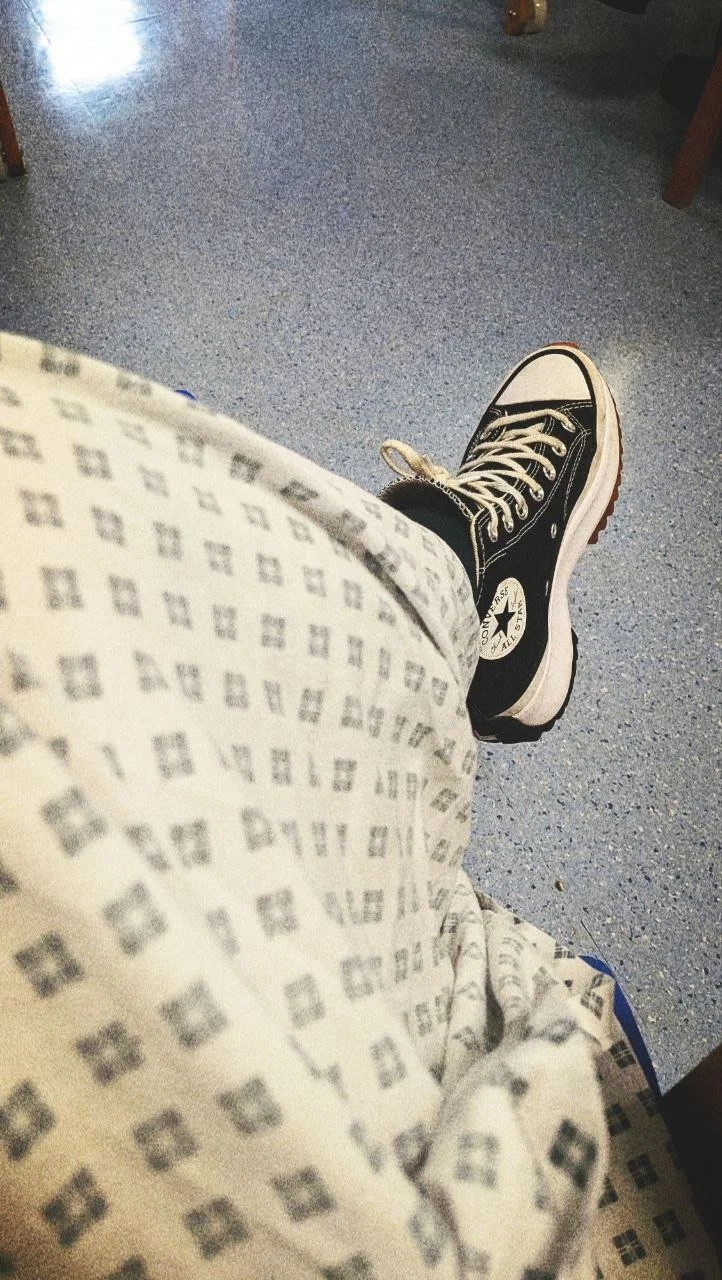
Years spent navigating the justice system taught me how to advocate for myself. What I didn't expect was to need many of those same skills when seeking answers about my own health. A personal reflection on women's health, self-advocacy, and the similarities between two very different systems.

His Freedom Became My Prison
At 12 years old, Ava was groomed and raped by a 16-year-old boy. Despite a guilty plea and conviction, she was left feeling unprotected, unheard, and failed by the very systems meant to safeguard her. This anonymous account explores the lasting impact of abuse, institutional failures, and the reality of seeking justice as a child.

I Don’t Think I Would Report It
An anonymous reflection submitted to Make Yourself Heard after seeing recent statistics showing fewer than 3 in 100 rape cases may end in a charge. The piece explores trust, reporting, and the emotional reality many survivors face when navigating the justice system.
Inside the Justice System
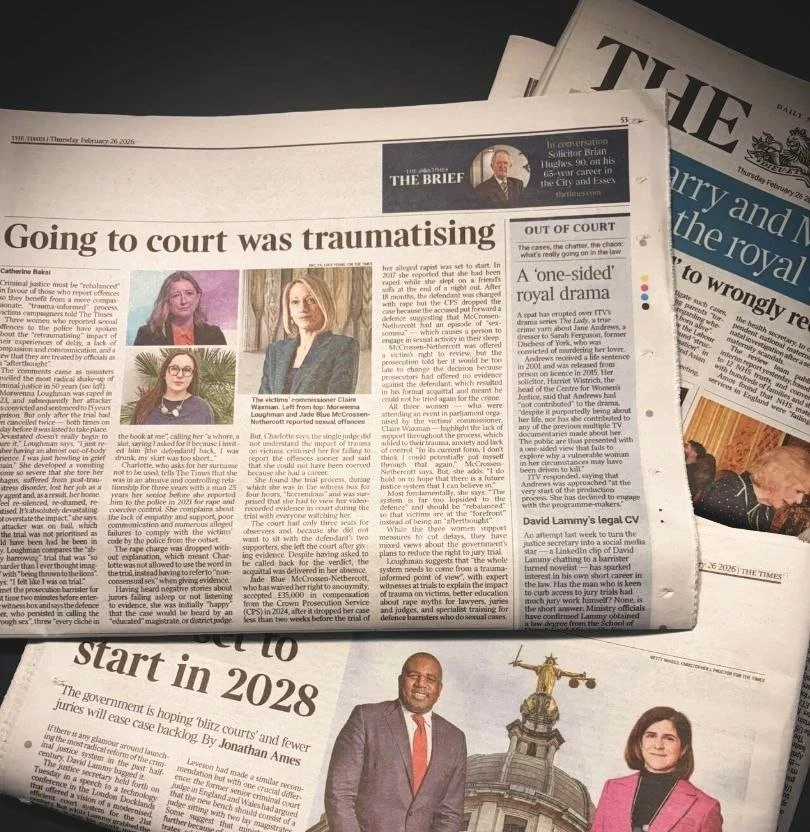
A reflection on what it really means to navigate the justice system - the endurance it takes, the gaps it reveals, and why speaking out matters. Because when voices come together, change becomes possible, and fewer people have to go through it alone.

Just Say It
Make Yourself Heard - however that looks for you.
No pressure, no perfect words. Just starting somewhere.
This anonymous submission explores what that can feel like in real life.