
The Files Don’t Change the Story
The story was always there. Listening wasn’t
An Anonymous Submission
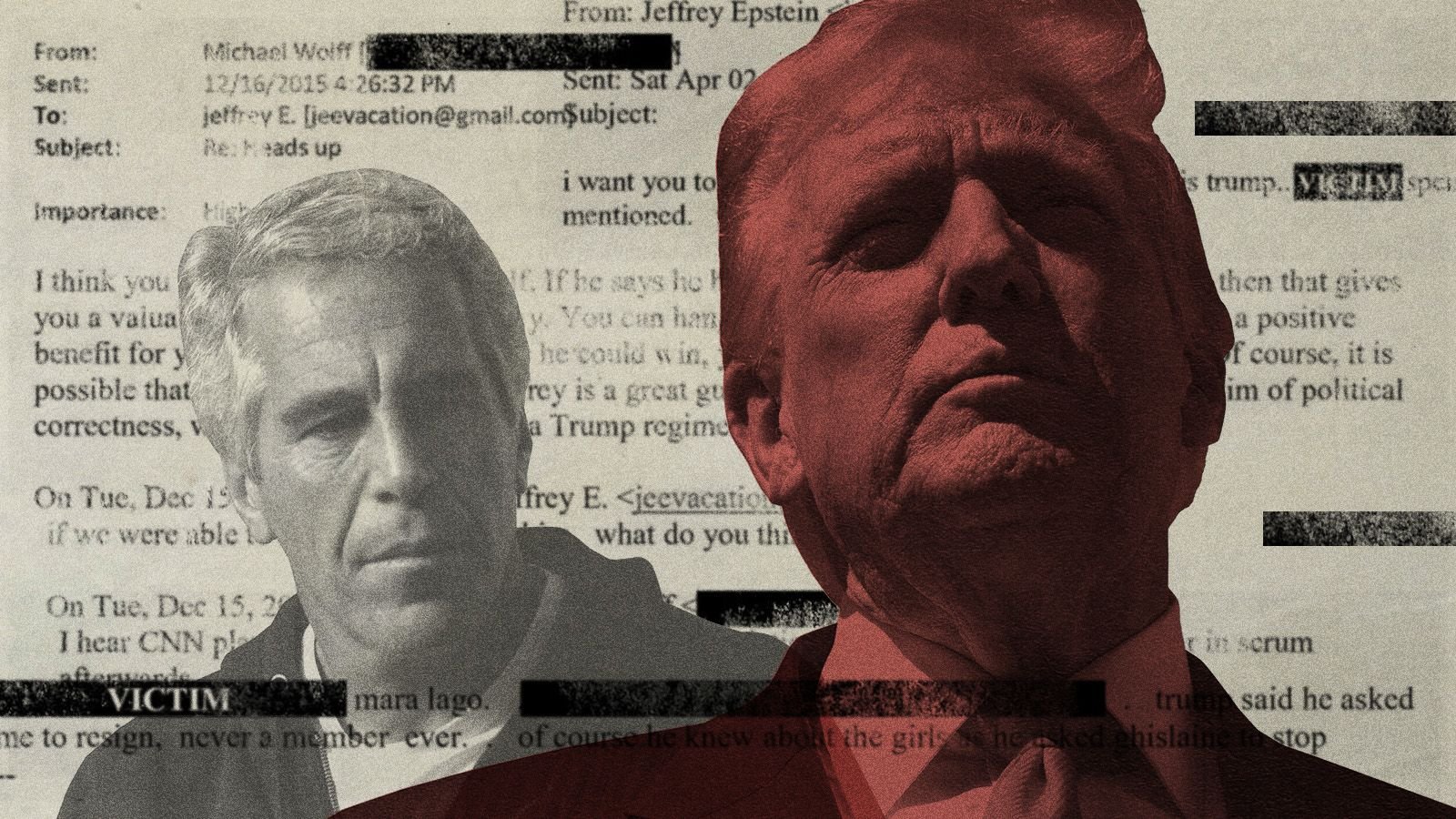
When the Epstein files came out, people talked about them like they were a revelation. New details. New shock. New outrage. But if you’re someone who’s lived through abuse, it doesn’t feel new at all.
Women and girls have been saying what happened for years. They reported it. They spoke up. They tried to warn people. Most of the time, they weren’t believed, or they were quietly pushed aside.
What’s hard about watching this unfold isn’t just what’s in the files. It’s how familiar the whole process feels. Huge document releases. Endless headlines. Long conversations about powerful men and their reputations. And survivors are barely mentioned, if they’re mentioned at all.
Some survivors weren’t even contacted while the files were being reviewed. Others found their personal details released without warning. After everything they’ve already been through, they’re still dealing with the fallout of decisions made without them. That alone says a lot.
The emails don’t feel shocking so much as bleak. Men arranging meetings, favours, access. Women organising, smoothing things over, being moved around. Girls treated as something to be used and replaced.
This wasn’t a system that broke. It did exactly what it was set up to do.
For years, the language around the abuse softened what really happened. Words like “prostitution” or “relationships” made it easier to look away. But the survivors were clear. They were children. They were pressured. They were abused. Saying it plainly made people uncomfortable.
Even now, there’s a lot of talk about putting victims first, while victims remain an afterthought. Justice is discussed more than it’s delivered. Accountability is promised, then watered down. And the harm is treated as something in the past, rather than something people are still living with.
If you’re a survivor watching this, it doesn’t land as information. It lands as confirmation. Confirmation that telling the truth doesn’t guarantee anything. That evidence can sit in drawers for years without changing outcomes. That systems can know exactly what happened and still decide not to act. The attention will move on. It always does. But survivors don’t get to.
We carry this long after the headlines fade. In our bodies. In our sense of safety. In the quiet understanding that justice had been delayed for so long, it had lost its meaning.
If this coverage feels heavy, or triggering, or just exhausting, that’s understandable. There’s nothing wrong with you for finding it hard. You’re reacting to a system that keeps showing who it’s built to protect.
Survivors have been telling the truth for a long time. The problem was never a lack of evidence. It was a lack of listening.
If this coverage is bringing things up for you, it might help to reach out for support - in the UK, the Rape Crisis helpline is available 24/7 on 0808 802 9999, and you deserve support, at your own pace.
Nothing About This Is New
They say this is new information.
We say it’s old pain,
spoken clearly,
filed away, and ignored.They call it history.
We call it something that never stayed in the past.
The documents pile up.
So do the headlines.
What doesn’t pile up
is justice.
We are still here.
Still living with what was done.
Still waiting for the world to listen the first time.