
Prison Release Changes: What Victims Need to Know
Worried about the new prison release changes? Here’s what victims need to know.
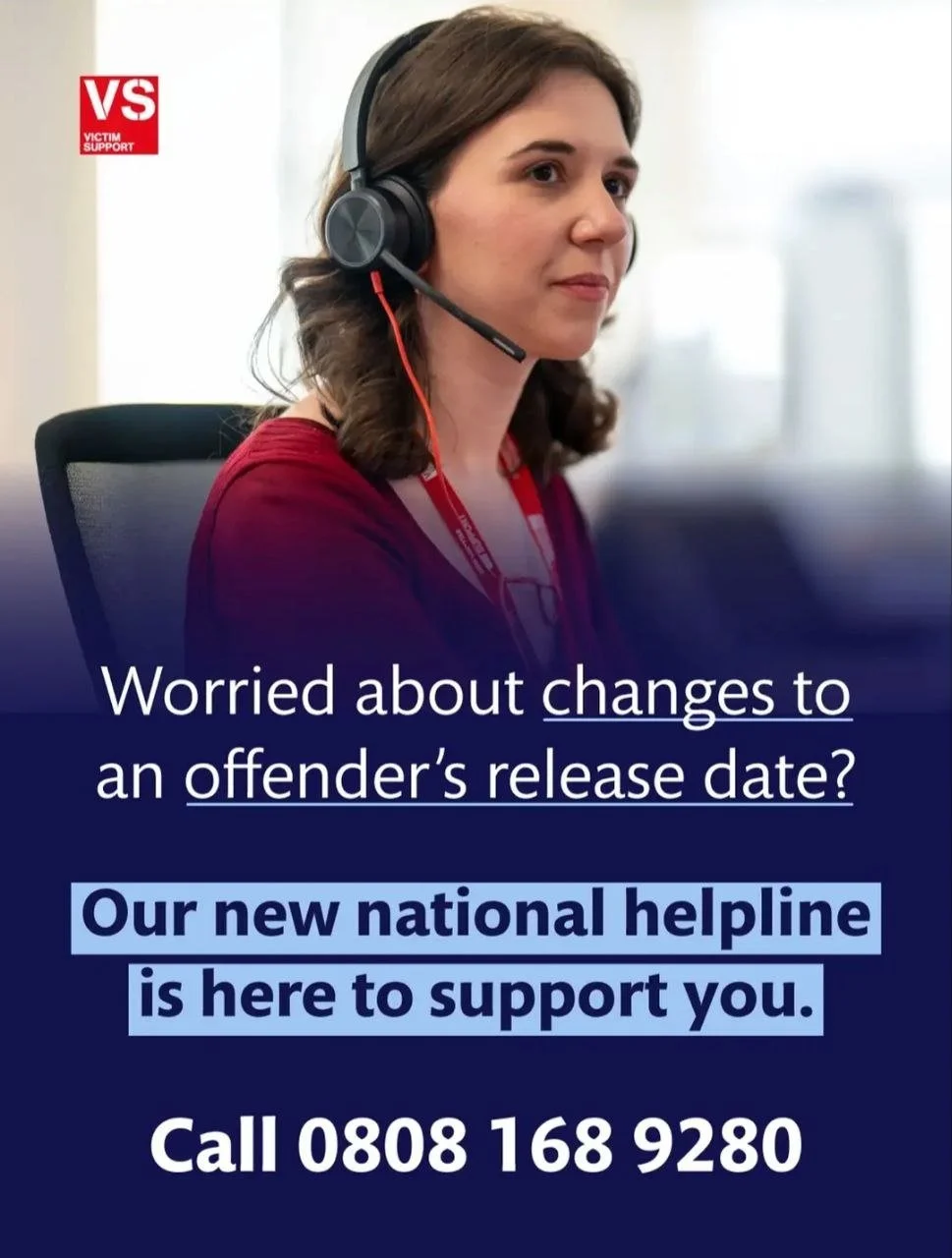
For victims and survivors, being told that someone may be released earlier than expected can be unsettling, frightening and raise immediate questions about safety.
From 1 October 2026, changes to prison release arrangements come into force. Alongside them, new measures intended to support and protect victims are being introduced, including a national helpline, expanded electronic monitoring and restriction zones for some serious offenders.
If you’re worried about what the changes could mean for you or your family, you don’t need to know for certain that you’re affected before asking for support.
A new helpline for victims
A new national helpline, delivered by Victim Support, is now open for victims and survivors affected - or concerned they may be affected - by changes to prisoner release dates.
You do not need to know for certain that you are affected before contacting the service.
Advisers can listen to your concerns, help you understand what the changes may mean, offer practical advice around wellbeing and safety, explain possible next steps and connect you with ongoing or specialist support.
The helpline cannot provide an individual offender’s release date or case-specific licence conditions. Still, advisers can explain where that information may be available and help you understand what to do next.
Victim Support: 0808 168 9280
9am–5pm, Monday to Friday
New restriction zones
From October, some serious sexual and violent offenders may also be placed under new restriction zones after leaving prison.
These can require an offender to remain within a defined geographical area, monitored through a GPS ankle tag. If they leave the permitted area, probation can be alerted and take action, including potential recall to prison.
Importantly, victims can have a say in how a restriction zone relating to their offender is designed. Probation may take into account places such as where a victim lives, works or has family.
The intention is to restrict the offender's movements rather than require victims to change theirs.
What else is changing?
Electronic monitoring is also being expanded, with a new presumption that people leaving prison will be tagged and monitored. Some offenders may also face restrictions preventing them from attending particular locations, including pubs, clubs and public events.
The Ministry of Justice says some of the most serious offences - including rape, manslaughter and certain child sexual offences - have been excluded from the changes to release dates.
For victims concerned about whether the changes affect them, support is available.
Victim Support: 0808 16 89 9280
National Domestic Abuse Helpline: 0808 200 0247
Rape and Sexual Abuse Support Line: 0808 500 2222
National Stalking Helpline: 0808 802 0300
NSPCC: 0808 800 5000
Concerns remain for victims
The new protections come amid continuing concern about the impact of early release on victims. The Domestic Abuse Commissioner Dame Nicole Jacobs has warned that victims are “paying the price” for pressures within the prison system, raising concerns about safety and the support available when perpetrators are released.
As the new arrangements begin, Victims’ Commissioner Claire Waxman OBE has also stressed that the safeguards announced alongside them will need to work in practice, including effective monitoring and enforcement.
“Electronic monitoring, restriction zones and licence conditions can only protect victims if they are properly implemented, monitored and enforced.”
- Claire Waxman OBE, Victims’ Commissioner for England and Wales
While additional protections and support are welcome, the coming weeks will be an important test of how they work in practice -whether victims are kept informed, listened to and supported, and whether breaches and safety concerns are acted upon effectively.
A final word from MYH:
No victim should be left trying to navigate changes to an offender’s release alone. If you’re worried about what this could mean for you or your safety, you don’t need to know for certain that you’re affected before asking for support.
England and Wales. Information checked October 2026.
This is general information, not legal advice.
Individual release arrangements and licence conditions may vary.