
Know Your rights
Know your rights - and understand your options.
Through M.Y.H x Know Your Rights, we break down complex systems into clear, practical information. From understanding your rights and navigating processes to knowing what steps to take when something doesn't feel right, this space is designed to help you feel more informed, empowered, and confident.


Prison Release Changes: What Victims Need to Know
What victims and survivors need to know about prison release changes from 1 October, including the new Victim Support helpline, restriction zones and expanded electronic monitoring.

Can You Report Sexual Assault Years Later?
You can report rape or sexual assault months, years or even decades after it happened. This feature explains your options, what evidence may still be available, what happens after a report, and where to find support if you are not ready to speak to police.

You Do Not Have to Delay Therapy
You do not have to delay therapy because you have reported rape or sexual violence, or because a police investigation or criminal case is ongoing. Current CPS information supports access to therapy before, during and after proceedings, while new protections introduced in January 2026 place stricter limits on police requests for counselling records.

Clare’s Law: You Have the Right to Ask
Clare’s Law gives you the right to ask the police if a current or former partner has a history of abuse.
It exists to help prevent harm - but many people don’t know it’s there, or how it actually works. Here’s what you need to know, what you can ask, and what happens next.

Criminal Injuries Compensation
A practical insight to claiming compensation through the Criminal Injuries Compensation Authority (CICA) after violent or sexual crime. Understand who may be eligible, the important deadlines to know, what to expect during the application process, and your rights if you want to challenge a CICA decision.

Special Measures
Giving evidence in court can feel overwhelming - especially for victims and survivors of rape and sexual violence. Many people don’t realise there are protections available to help make the process safer and less intimidating. This feature explores the special measures available to support survivors through the justice process, from live links and screens in court to pre-recorded evidence and communication support.

The European Convention on Human Rights
The European Convention on Human Rights (ECHR) is an international human rights treaty designed to protect fundamental rights and freedoms.
In the UK, these rights are largely given effect through the Human Rights Act 1998 - meaning public authorities, including police forces and prosecutors, can potentially be challenged when serious failures occur.

The Quiet Build-Up Before Trial
Preparing for a rape or serious sexual assault trial can feel overwhelming, emotional and deeply uncertain. This MYH x Know Your Rights feature breaks down what survivors may experience before trial - from court visits and video evidence to special measures, travel support and the emotional reality of preparing to give evidence.

Lobbying Parliament: Where To Start
Lobbying Parliament can sound intimidating, but political change is not only shaped by politicians, charities or professionals. People with lived experience have always played a vital role in pushing systems to listen, improve and reform. This feature explores how ordinary people can contact MPs, use tools like Hansard, support campaigns and turn personal experience into meaningful political pressure.

How To Contact Your MP
Contacting your MP can feel intimidating - especially when you are already exhausted by the systems you are trying to challenge. But MPs are elected to represent the people living the realities behind policy decisions, including people with lived experience. This feature explores how to contact your MP effectively, make your voice heard, and turn personal experience, concern or frustration into meaningful political pressure and conversation.

If You Need to Make a Complaint
The system can be hard to navigate - especially when something’s gone wrong. This feature breaks down your options, from police and CPS complaints to what happens next, in a way that actually makes sense - and helps you understand what you can do.

Victims’ Right to Review
If you’ve been told that no further action will be taken in your case, you may feel confused, shut down, or left without answers. The Victims’ Right to Review (VRR) exists to give you a way to ask for that decision to be checked.
VRR allows victims to request a review of certain decisions made by the Police or the Crown Prosecution Service when a case is not taken forward.
It is not a complaint. It is not about blaming you. And it is not about proving guilt. It is about making sure decisions are lawful, fair, and properly considered.
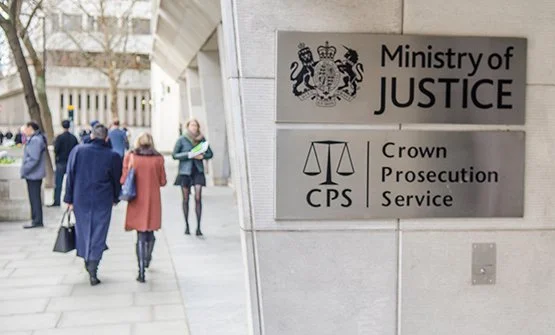
The CPS Explained
The Crown Prosecution Service (CPS) is the body responsible for deciding whether criminal cases go to court in England and Wales. It does not investigate crimes - that role sits with the police - but it makes the key legal decisions about prosecution. Here, we unpack the role of the CPS and link you to some of their guides, which are particularly helpful for understanding how decisions are made and what to expect from the process.

Reporting Rape Or Sexual Assault
Reporting rape, sexual assault, or another sexual offence can feel daunting. There is no right or wrong way to do it - and no obligation to report at all. Whatever you decide, support is available, and the choice is always yours.
The role of the Police is to listen, to investigate where possible, and to treat you with dignity and respect. They should explain your options clearly and support you to make informed decisions at your own pace.

Your Rights, Explained
When you’ve experienced crime, the justice system can feel overwhelming, confusing, or even alienating. To make sure victims and survivors are treated fairly, the government created the Victims’ Code - formally known as the Code of Practice for Victims of Crime. It sets out the rights you are entitled to whenever you engage with the police, courts, or other criminal justice agencies in England and Wales.

ISVAs and IDVAs Explained
When someone experiences sexual violence or domestic abuse, navigating the criminal justice system, health services, and the emotional impact can feel overwhelming. That’s where specialist advocates come in. Two key roles you might hear about are Independent Sexual Violence Advisors (ISVAs) and Independent Domestic Violence Advisors (IDVAs). These professionals are trained to support victims and survivors, helping you to understand your options, make informed choices, and feel less alone.