
Special Measures
The Support Available If You’re Giving
Evidence in Court
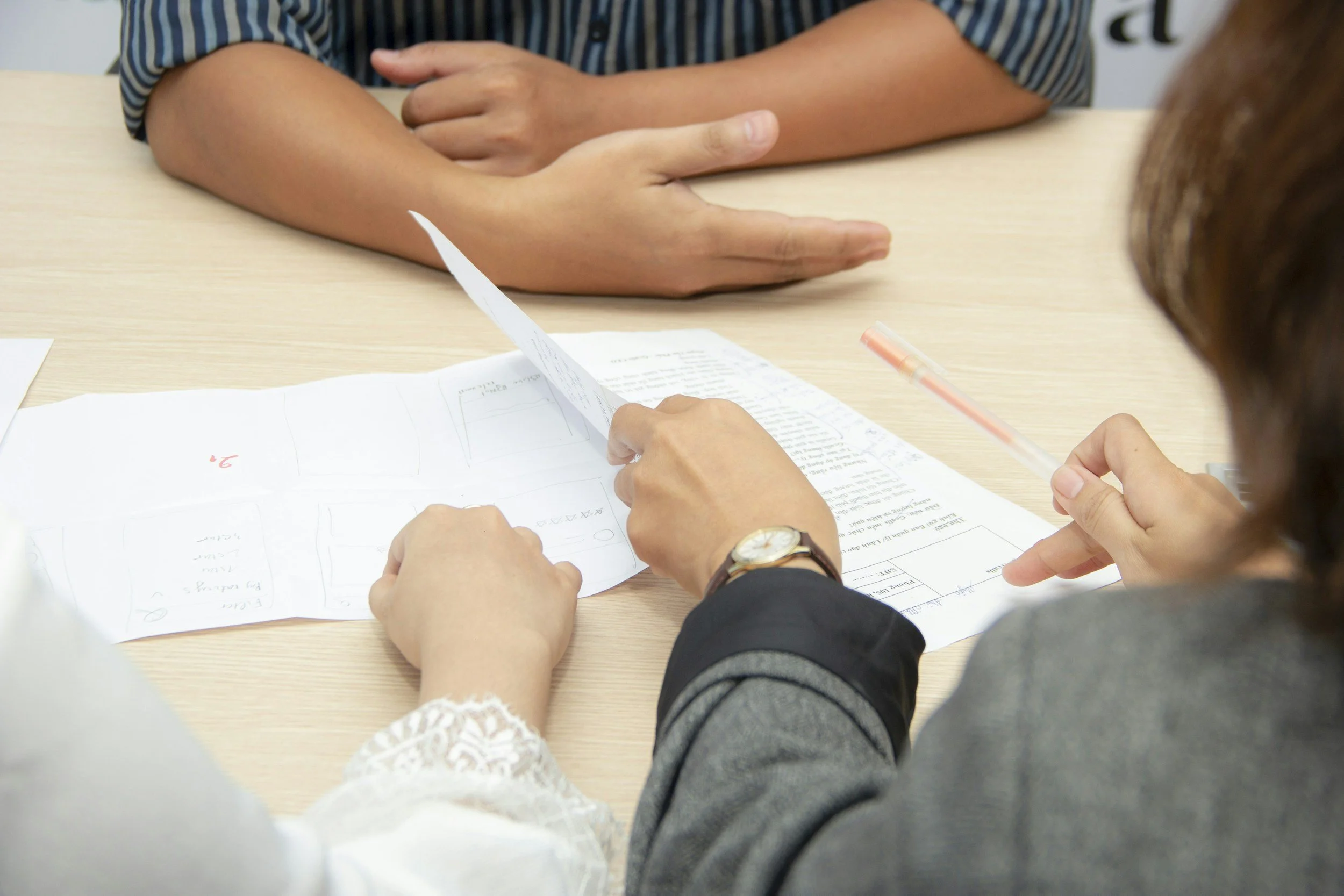
For many victims and survivors, the thought of giving evidence in court can feel terrifying.
Not only because of the courtroom itself, but because of what it means to revisit trauma, speak about deeply personal experiences in front of strangers, and potentially sit just metres away from the person accused of harming you.
For RASSO victims, especially, the court can feel overwhelming long before a trial even begins.
Many survivors describe:
sleepless nights before hearings
panic about seeing the defendant
fear of being judged or not believed
anxiety around cross-examination
exhaustion from repeatedly retelling traumatic events
Some people decide not to proceed with a case at all because the process feels too emotionally difficult.
That is exactly why special measures exist.
They are legal protections designed to help victims and witnesses feel safer, more supported, and better able to give evidence in ways that work for them.
And importantly, there is no shame in needing them.
What are special measures?
Special measures are adjustments the court can put in place to help vulnerable or intimidated victims and witnesses give their best evidence.
They can change:
where you give evidence
how you give evidence
who can see you
what support you have while speaking
The goal is not to make court “easy” - because for many survivors, it still won’t be - but to reduce unnecessary distress and make the process more manageable.
Who can ask for them?
Victims of rape and sexual violence are legally recognised as “intimidated witnesses,” meaning they may be eligible for special measures automatically.
They are also available for people who are:
under 18
neurodivergent
living with mental health conditions
disabled
struggling with communication or processing information
frightened about giving evidence
And honestly, fear is understandable.
The justice process can already feel incredibly exposing. Special measures exist because trauma affects people differently - and because survivors deserve support, not additional barriers.
What support can actually look like
Giving evidence from another room
Some victims can give evidence via a live video link rather than entering the courtroom.
For some survivors, simply not having to physically sit in the same room as the defendant can make a huge psychological difference.
Pre-recorded evidence
Your police interview may be played to the court instead of you having to repeat everything in front of a jury. This can help reduce retraumatisation from having to repeatedly recount traumatic experiences.
Pre-recorded cross-examination (“Section 28”)
In some Crown Court cases, cross-examination can happen earlier and be recorded before the main trial. For many survivors, this can reduce months - or years - of anxiety waiting to give evidence. Some victims may not need to attend the trial itself afterwards.
Screens in court
Screens can block your view of the defendant while you speak. That may sound small, but many survivors describe intense fear around eye contact, reactions, or simply being visible to the accused while talking about abuse or assault.
Intermediaries
Some victims are supported by intermediaries - specialists who help ensure questions are communicated clearly and fairly. This can be particularly important for neurodivergent victims, young people, or anyone struggling with communication under stress.
The emotional reality behind special measures
One of the hardest parts of the justice process is that survivors are often expected to continue functioning normally while carrying extraordinary emotional pressure. Court dates can dominate people’s lives for months and even years.
Some survivors stop sleeping properly.
Some become hypervigilant.
Some feel physically sick before hearings.
Some fear being publicly scrutinised more than the assault itself.
Wanting support through that process is not a weakness. It is human.
How do you ask for special measures?
Usually:
Police discuss them with you after a report is made
The Crown Prosecution Service applies to the court
A judge decides what measures can be used
You can also change your mind later if your needs change.
And importantly, you are allowed to advocate for yourself.
If something would help you feel safer, calmer, or more able to speak clearly - say so.
MYH takeaway
Too often, survivors feel pressure to appear “strong” within the justice process. But strength and support are not opposites. Special measures exist because the system recognises that trauma, fear, and distress can affect how people participate in court. You deserve the chance to give evidence in the safest and most supported way possible. And asking for that support does not make your voice any less valid.