
After Ten Years, Freedom
Jackie Adedeji’s story is a reminder of why voice matters - and why systems must listen
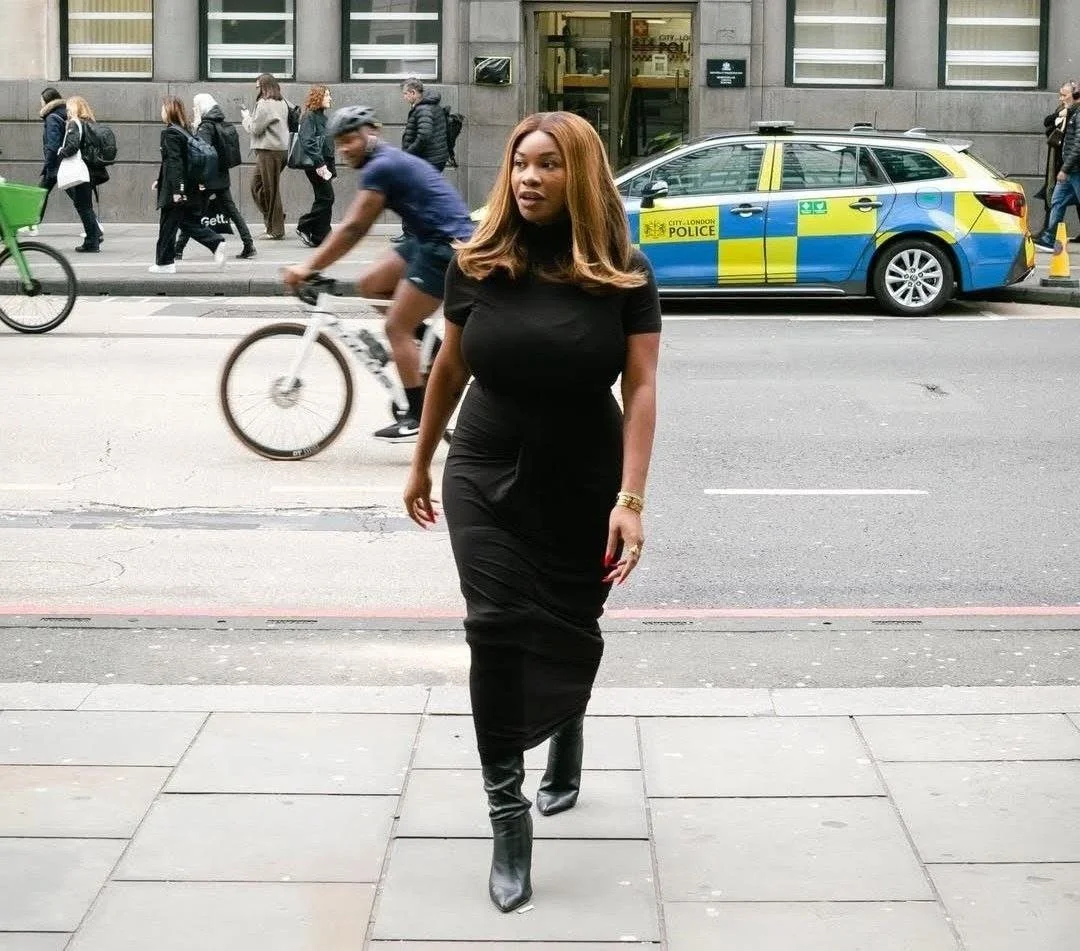
A misconduct panel has found that a former Metropolitan Police officer used his position to deceive, manipulate and pursue a relationship with TV presenter Jackie Adedeji while on duty.
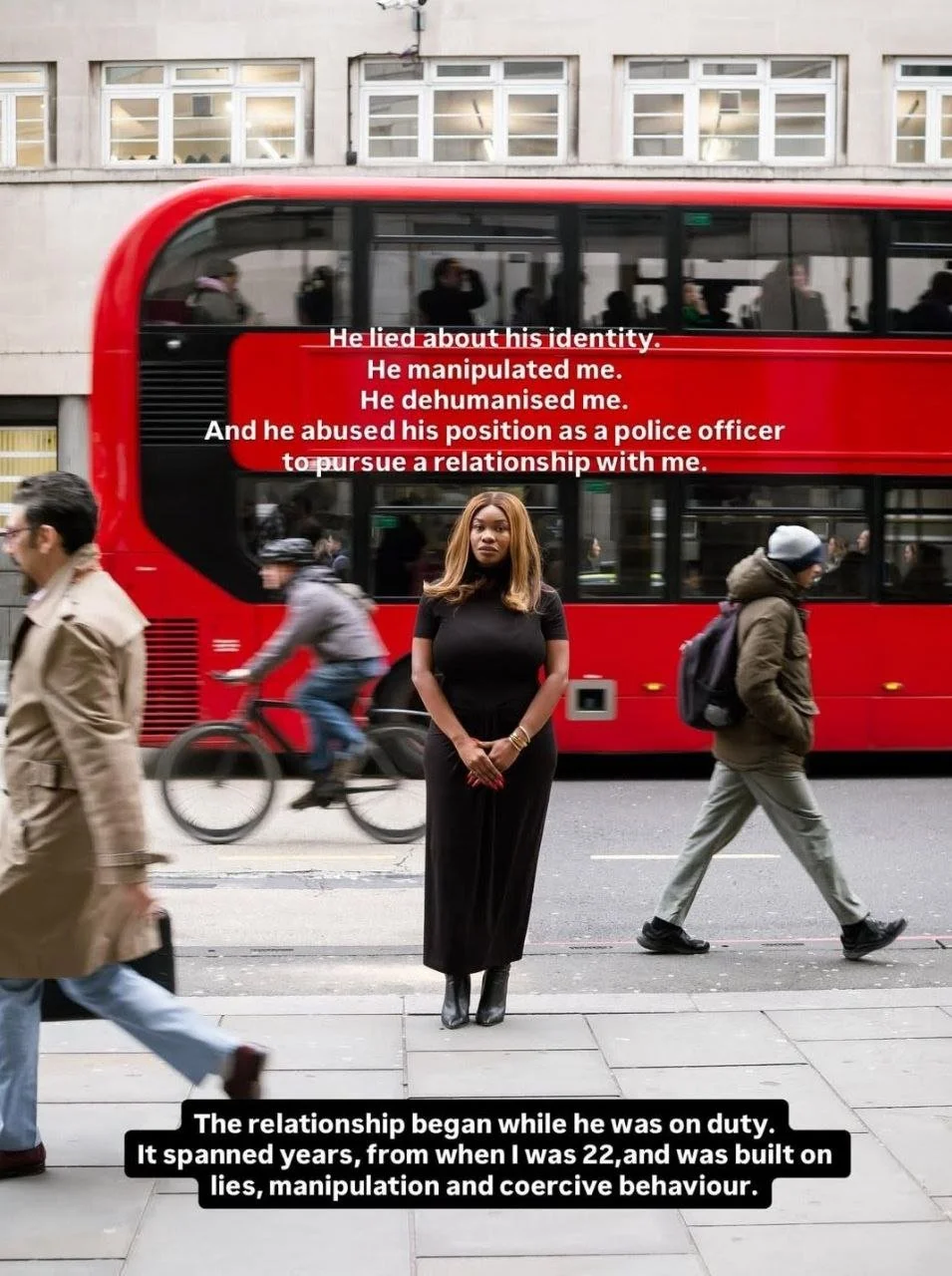
He lied about his identity. He abused his role. And over a number of years, the relationship was built on coercion, imbalance of power, and control.
All allegations were proven.
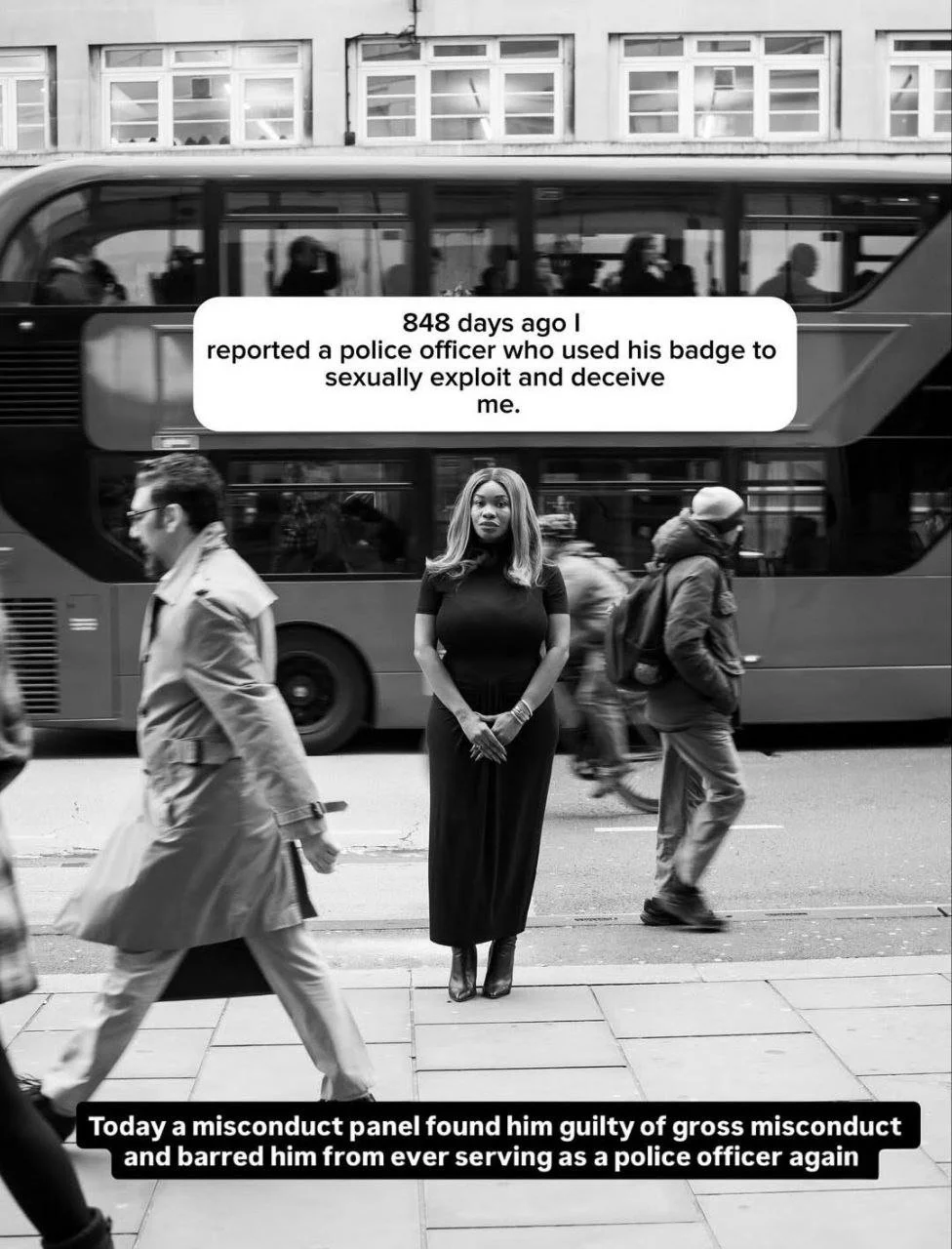
He has now been found guilty of gross misconduct and placed on the barred list - meaning he can never serve as a police officer again.
The reality behind the outcome
This decision comes nearly a decade after Jackie first met him at 22.
In that time, she navigated a process she described as “the biggest fight of my life.”
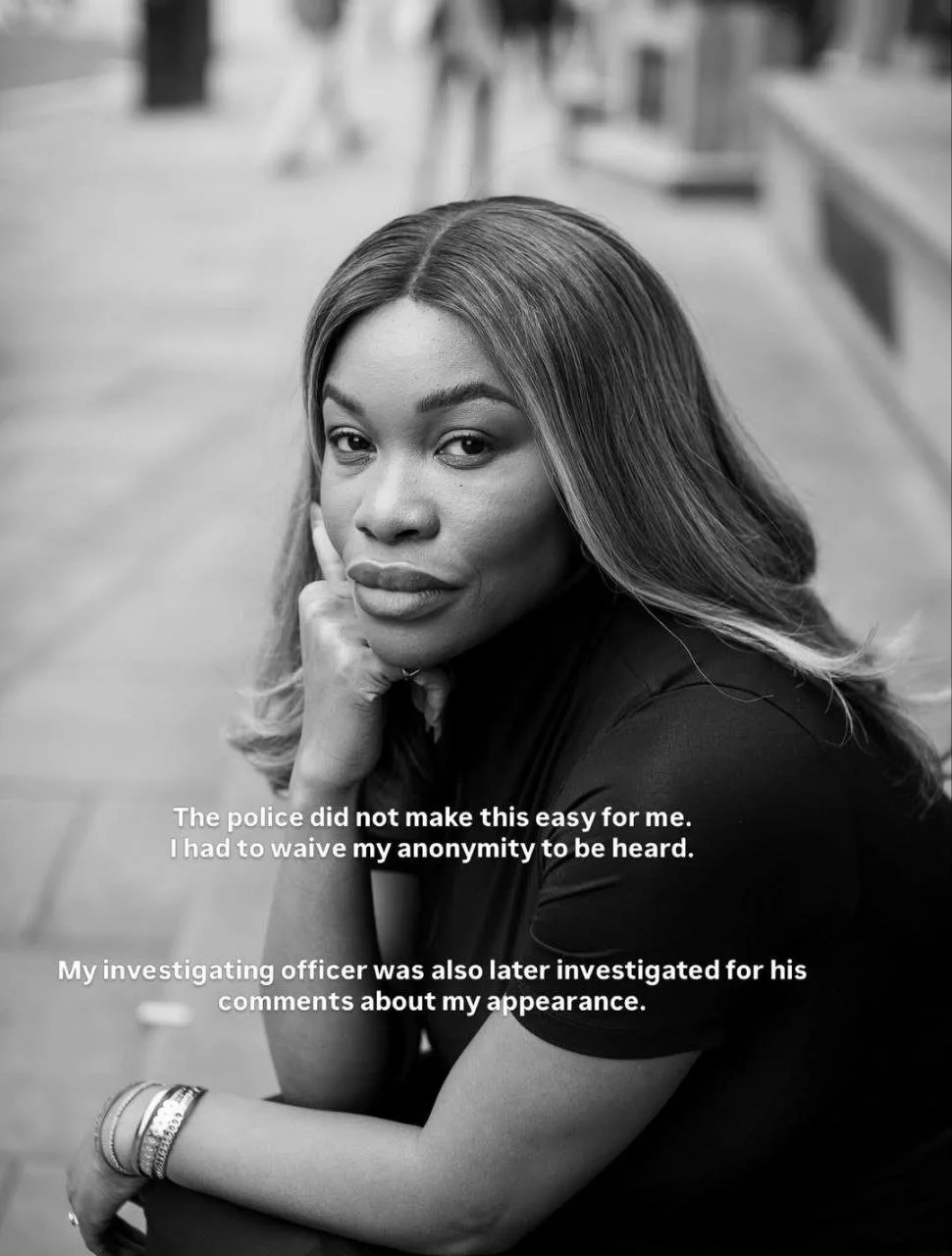
She reported him. She faced the system. She waived her anonymity to be heard.
And she stayed consistent in her account - even when that came with scrutiny, delay, and personal cost.
She also revealed that the process itself was not straightforward.
Her investigating officer was later investigated for inappropriate comments about her appearance.
Even within a system meant to deliver accountability, the experience was not without harm.
A shift from silence to voice
Following the ruling, Jackie said:
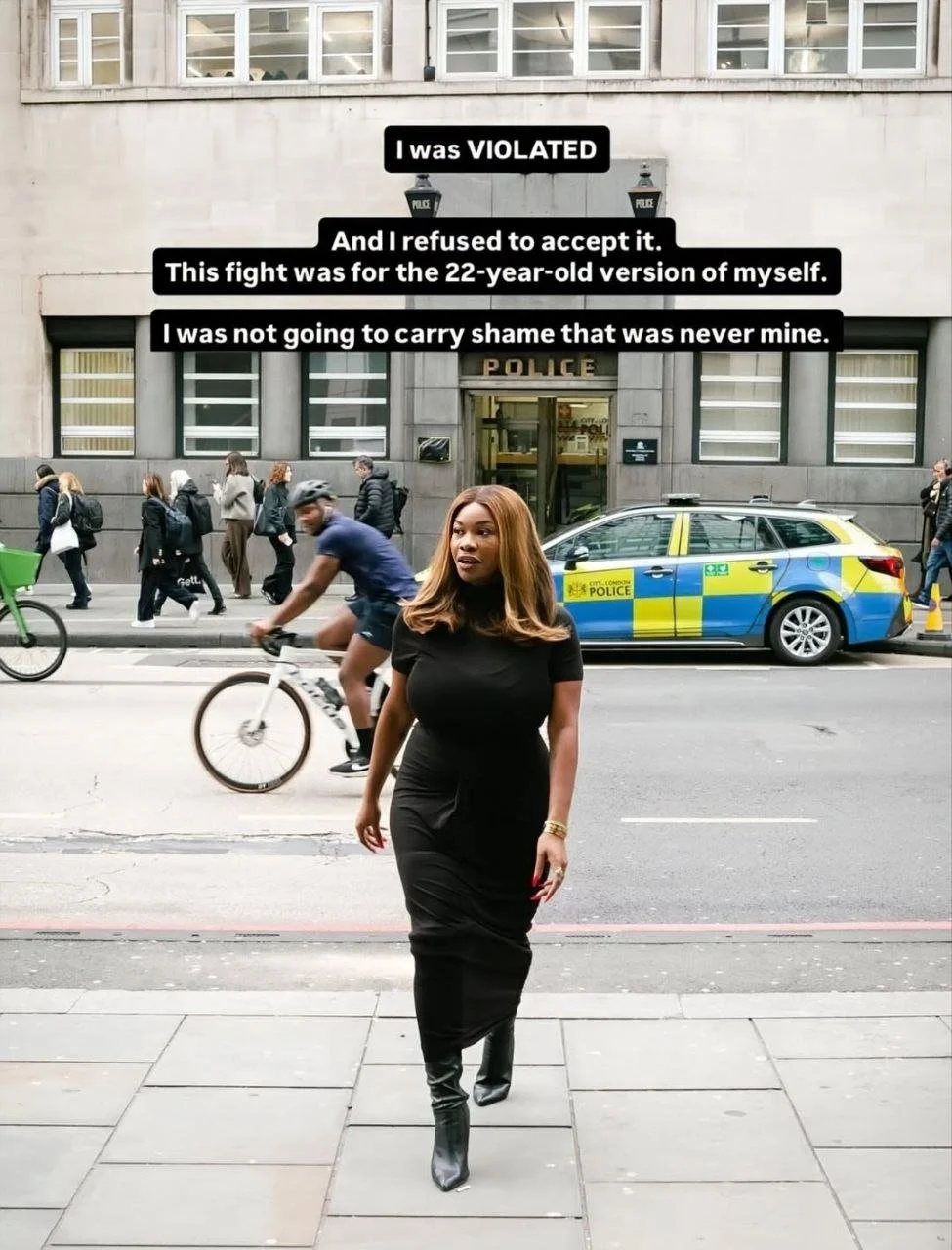
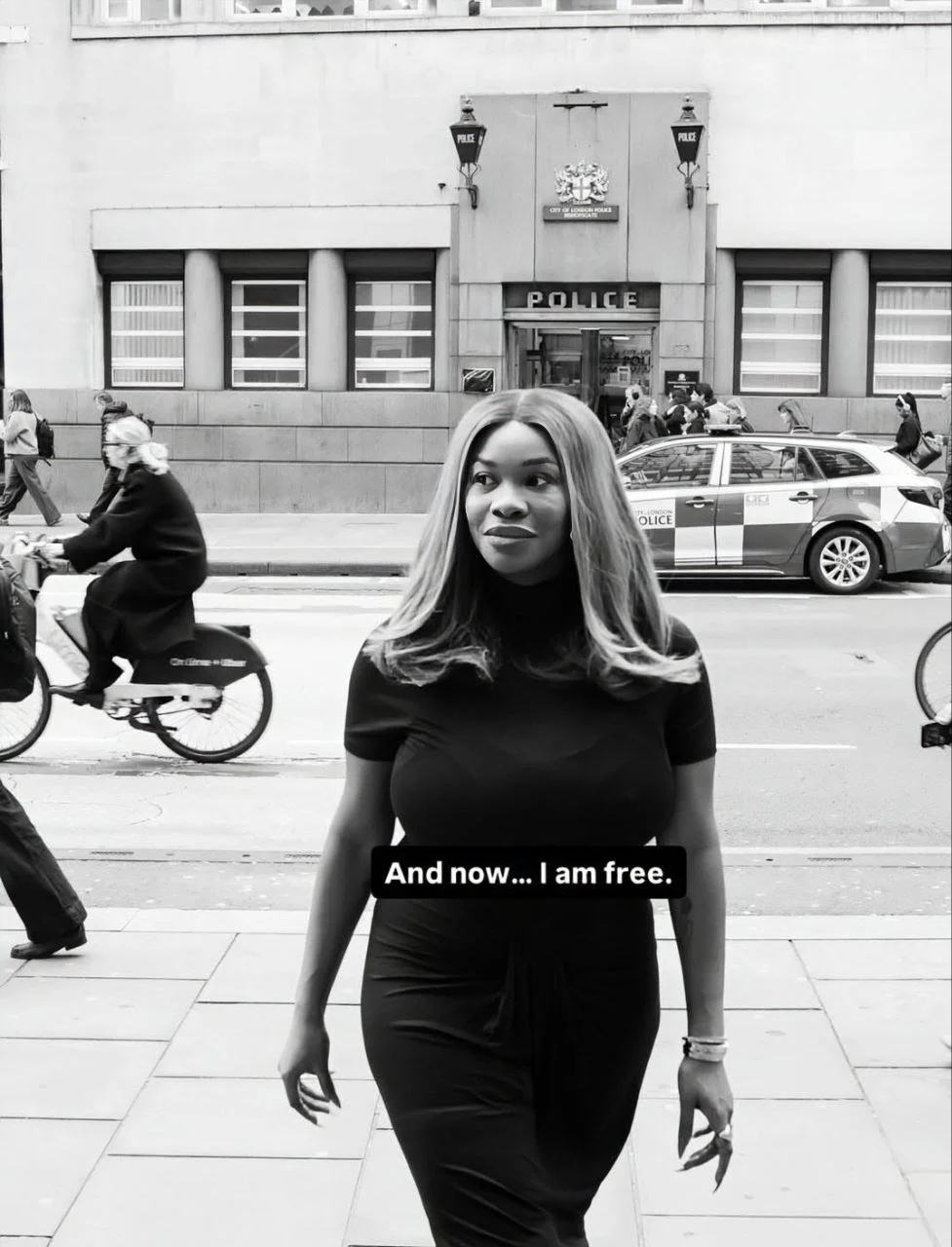
“For the first time in 10 years, I feel free.”
“The shame has disappeared, the silence has disappeared. I found my voice all over again.”
She spoke about standing up for her younger self - the 22-year-old version of her who felt voiceless at the time.
And about something many survivors will recognise:
That the process is not just about justice - it’s about reclaiming narrative, identity, and self.
Why this matters
This case is not isolated.
It reflects wider truths about the justice system and the realities survivors face:
Abuse of power can exist within trusted institutions
Reporting is rarely simple - it is often long, complex, and deeply personal
Survivors are still required to prove, persist, and endure
Being heard can take years
Too often, the burden of seeing a case through sits heavily on the individual.
What this case shows
That outcomes matter - but so does the journey to get there.
That truth can prevail - but not without cost.
And that speaking out is not easy, linear, or without consequence.
But it can be powerful.
As Jackie said:
“It is never too late to stand up for yourself when you feel you’ve been violated. You don’t deserve to live in silence. You can only heal from what you reveal.”
MYH reflection
Survivors should not have to fight for years to be believed.
They should not have to give up anonymity to be heard.
And they should not have to navigate harm within the very systems meant to protect them.
Voice should not come at this cost.
But when it does - stories like this remind us why being heard matters.
Call to action
Read the story. Share it. Listen to survivors.