
noticeboard
Updates, opportunities, resources and action.
Through M.Y.H x Noticeboard, you'll find campaigns, consultations, research, events, support services and opportunities to get involved. Bringing together information from across the justice, health and social change sectors, this space is designed to help you stay informed, discover new opportunities and connect with the people and organisations driving change.


A Lawyer in Your Corner
A new national Independent Legal Advice service will give rape and sexual assault survivors across England and Wales free, specialist legal advice throughout the criminal justice process. Led by the Centre for Women’s Justice, the service is expected to launch in early 2027.

Andy Carroll Speaks Out
Andy Carroll’s decision to speak publicly about being sexually assaulted while asleep has brought important attention to male survivors. His disclosure is a powerful reminder that sexual violence can affect anyone - and that speaking out can challenge stigma, break silence and help others feel able to come forward.

Spiking Is Changing
Police are warning that spiking is changing, with perpetrators increasingly using drug-laced vapes, prescription and over-the-counter medicines, and targeting victims beyond bars and clubs.

Making Victims’ Rights Visible
A new West Midlands campaign is putting victims’ rights in public view after a survey found just 2.5% of people could demonstrate any knowledge of the Victims’ Code. We look at why knowing your rights matters - and why campaigns like this are needed nationwide.

New Court Reforms for Rape Survivors
Specialist rape courtrooms, fixed trial dates and a single point of contact for victims are among new measures being introduced across England and Wales. Here’s what is changing - and why it matters for survivors navigating the courts.

Court Reform Needs Your Voice
As the Courts and Tribunals Bill returns, Make Yourself Heard is calling on people with recent experience of the courts to share what the justice system is really like. Building on our work with Open Justice for All, we want lived experience to help shape the debate around court reform.

Who Holds Judges Accountable?
More than 314,000 people have backed calls for greater judicial accountability following the Fordingbridge rape case. The petition is calling for an investigation into Judge Nicholas Rowland and wider reform of judicial accountability.

A New CPS Code: Have Your Say
The CPS is consulting on proposed changes to the Code for Crown Prosecutors, including how victims’ views, circumstances and risk are considered in charging decisions. The public consultation is open until 8 November 2026.

Justice Is in Crisis
Victims’ Commissioner Claire Waxman has warned that pressures across prisons, probation, policing, courts and victim services now have the “hallmarks of a national emergency”.

The Real Count UK
A new UK-wide anonymous survey is helping uncover the domestic abuse missing from official statistics. We look at The Real Count UK, why so many experiences go unreported, and how survivor-led data could help build a clearer picture of abuse across the country.

Rally for Della’s Law
Campaigners are heading to Downing Street to rally for Della’s Law, calling for stronger safeguards around registered sex offenders changing their names and potentially obscuring their offending history.
See #Me(Too)
A new UK-wide survey from We Are Survivors and Movember is exploring the attitudes that can make it harder for male victims and survivors of sexual harm to speak out, seek support and be heard. Open to all UK adults aged 18+.
Rape Cases Rise Up the Priority List
A quietly announced change to Crown Court listings will give rape and serious sexual offence cases greater priority from October 2026. It is a long-overdue recognition of the devastating human cost of delay - and a hopeful step towards a justice system that asks survivors to put less of their lives on hold.

Early Release: Risks Remain
The early release scheme has been delayed until October, but domestic abuse perpetrators remain eligible and serious concerns about victim safety remain.
Support Charlie’s Law
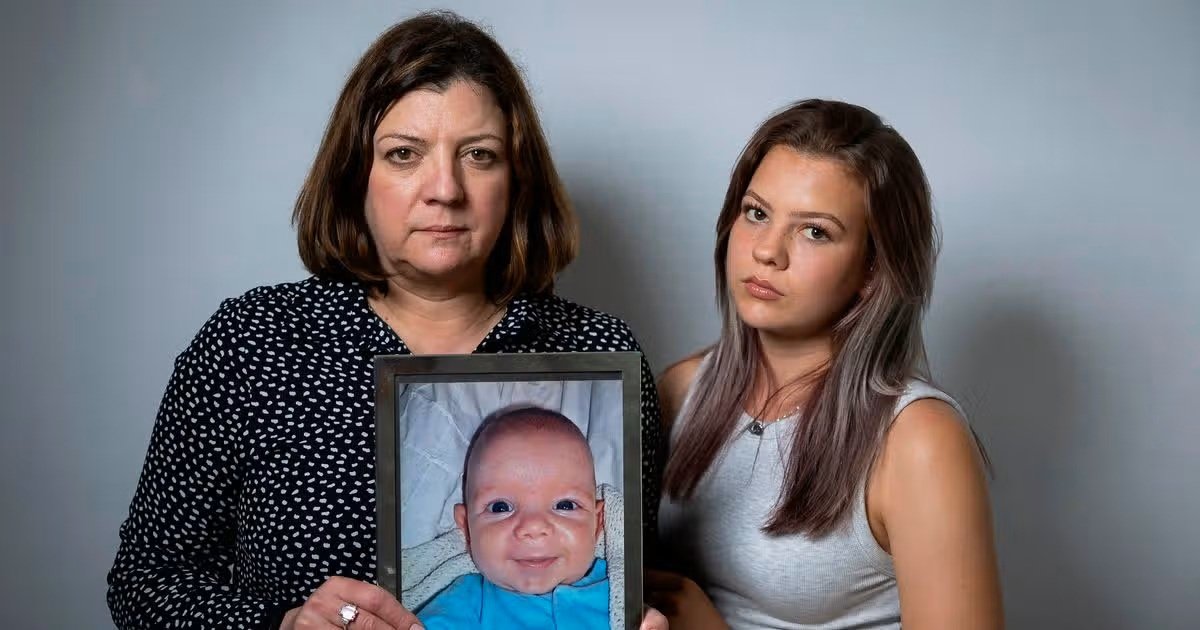
Joanne Early and her daughter Abi are campaigning for Charlie’s Law, which would automatically suspend parental responsibility when a parent is convicted of murdering or seriously harming their child. A parliamentary petition is now calling on the Government to act and put children’s safety first.

Don't Lose Momentum
Victims and survivors have written to Prime Minister Andy Burnham, urging his Government to protect hard-won progress on justice reform. The letter calls for victims’ voices to shape the review of the early release scheme and for the Courts and Tribunals Bill to keep moving forward.

Change at the Top
A new Prime Minister and reshuffled government offer an opportunity to reset the justice system. As plans for early prisoner release are paused and reviewed, victims need safety, communication and accountability to shape what happens next.

The Human Impact
The conversation around early release is about more than sentencing policy. Drawing on recent reporting, survivor testimony and M.Y.H's own community, this feature explores the fear, uncertainty and renewed trauma many survivors are experiencing, alongside growing calls for meaningful safeguards and victim-centred reform.

Early Release and Victim Safety
As concerns grow over the government's planned early release scheme, survivors and victims' advocates are calling for stronger safeguards to protect those affected by sexual violence and abuse. From timely notification and robust risk assessments to meaningful victim support, the conversation highlights that justice doesn't end at sentencing - and that victims' safety and confidence must remain central to decisions about release.

Domestic Homicide Reform
Meaningful justice is about more than punishment - it's about recognising the realities of abuse. The government has proposed a new 25-year sentencing starting point for murders of current or former partners. Here's what the changes mean and why they matter.