
Public Sexual Harassment is Now Illegal
A legal shift - driven by years of pressure, persistence, and lived experiencE
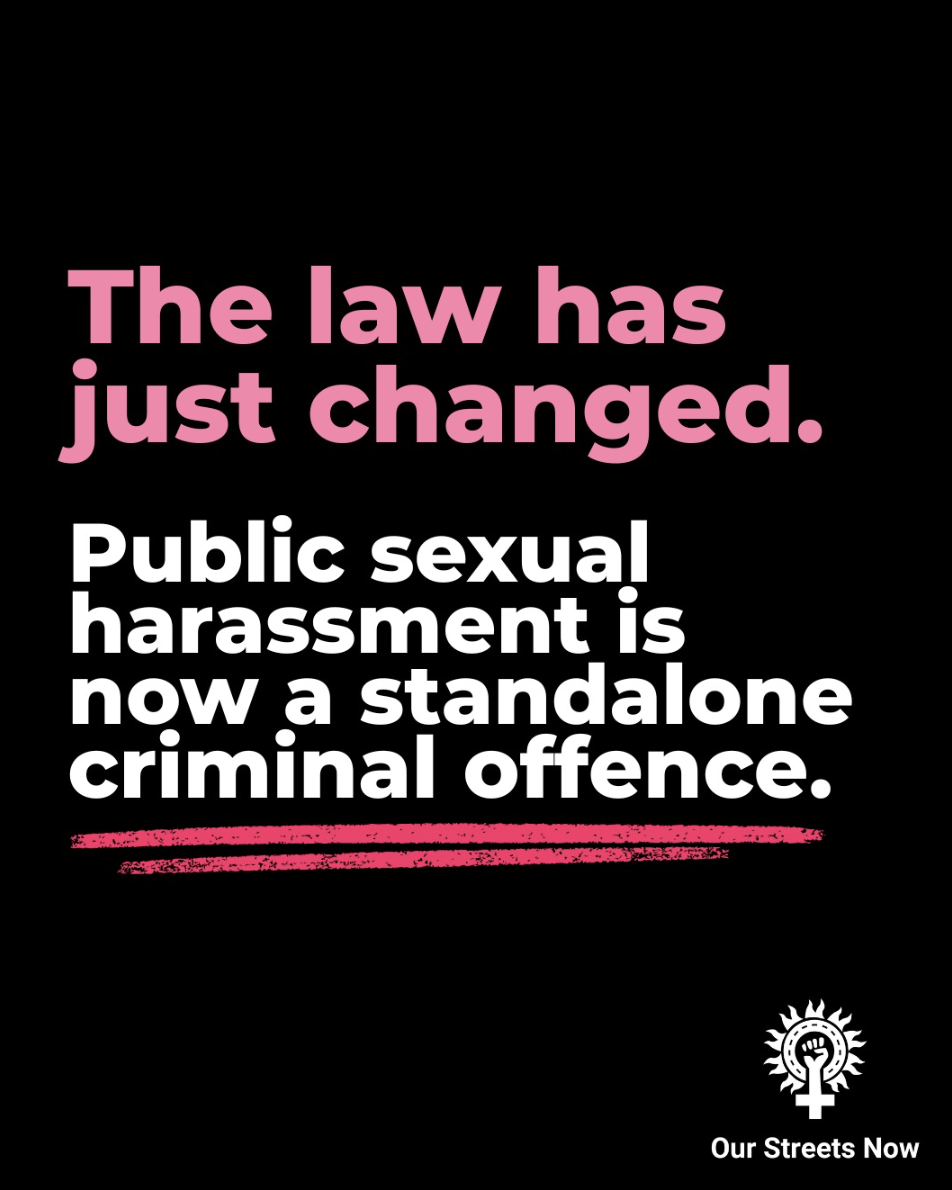
As of this week, public sexual harassment is now a standalone criminal offence in England and Wales.
This moment didn’t happen overnight.
It’s the result of sustained advocacy - from campaigners, organisations, and individuals who refused to accept that this behaviour should remain normalised or overlooked.
What’s changed
The new offence covers intentional harassment directed at someone because of their sex.
This includes:
sexual or obscene comments
threats of sexual violence
intimidation or invasion of personal space
behaviour intended to cause alarm or distress
It applies across public spaces - streets, parks, transport, shops - and reflects the reality of where these experiences happen.
Offences can now be prosecuted, with penalties of up to 2 years' imprisonment.
Why this matters
For many, this isn’t new. It’s newly recognised. Public sexual harassment has long existed in a space where it was minimised, brushed off, or treated as something to tolerate.
This law begins to draw a clearer line:
between what is dismissed and what is unlawful
between what people are expected to endure and what should never be accepted
between silence and accountability
It shifts the focus - away from those experiencing harm, and onto those choosing to cause it.
A collective effort
This change reflects years of work.
From grassroots campaigning to national advocacy, organisations including Our Streets Now and Plan International UK, alongside many others, have pushed this issue into public and political focus.
It’s a reminder that change - even when slow - is possible when people continue to speak, challenge, and organise.
What comes next
Legislation matters. But how it is used matters more.
The impact of this law will depend on:
whether it is applied consistently
whether victims feel able - and supported - to report
whether it meaningfully changes everyday experiences in public spaces
Because recognition in law is one step. Embedding it in practice is another.
MYH perspective
Lived experience has been clear on this for a long time.
Naming harm is important. But so is what follows - in response, in accountability, and in culture. This is a meaningful shift. What happens next will determine what it becomes.