
28 Days Was Never Enough
Now extended to six months - a change shaped by
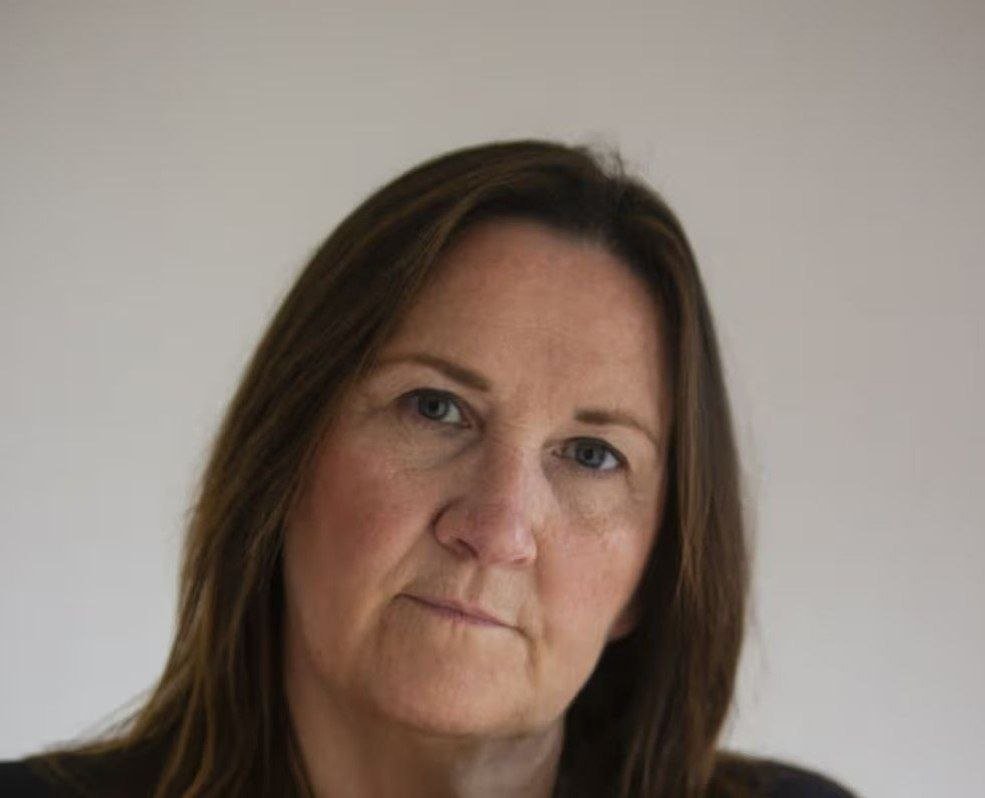
Tracey Hanson’s campaigning
What’s changed
Victims and bereaved families will now have up to six months - instead of just 28 days - to challenge sentences they believe are too lenient under the Unduly Lenient Sentence (ULS) scheme.
The reform also introduces a duty to notify, meaning victims must be informed about the scheme - addressing a long-standing issue in which many didn’t even know it existed.
Other members of the public will remain subject to the 28-day limit.
Why this matters
Sentencing is not just a legal moment - it’s often a deeply emotional one.
Expecting victims or families to:
process what’s happened
understand their rights
seek advice
and take action
…all within 28 days was never realistic.
This change recognises something simple but often overlooked: people need time to breathe before they can respond.
The campaign behind it
This shift didn’t happen overnight.
It follows years of relentless campaigning led by Tracey Hanson, after the tragic loss of her son, Josh.
Alongside other bereaved families, she pushed for:
fairer access to the scheme
realistic timeframes
and recognition of the emotional toll of the justice process
Her work has now directly shaped policy - turning personal injustice into systemic change.
The wider context
For years, gaps in the system have meant that:
victims were unaware of the ULS scheme
deadlines passed before they could act
and opportunities to challenge decisions were lost
This reform begins to address those gaps - improving both access and fairness.
But it also raises a broader point: rights only matter if people know about them - and can realistically use them.
What next
This is a significant step - but its impact will depend on how it’s delivered in practice.
That means:
consistent communication to victims
clear guidance at the point of sentencing
and support to navigate the process
Because reform isn’t just about policy - it’s about whether it works when people need it most.