
When Suicide Is Not the Full Story
Coercive control, investigative failure, and the families still fighting to be heard
The Guardian’s editorial last week lays bare a truth many families have known for years: when women take their own lives in the context of domestic abuse, justice is too often absent.
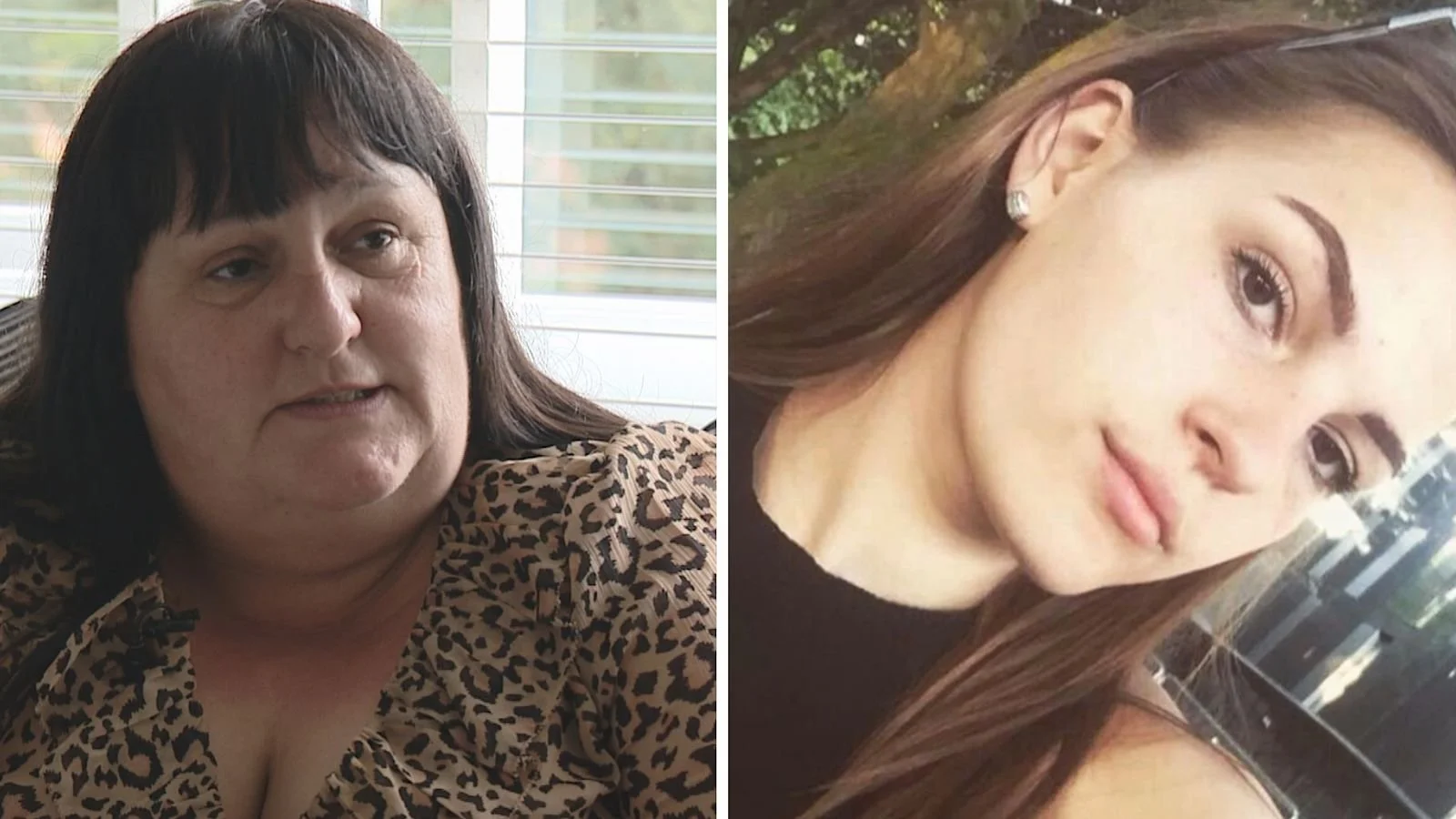
Image: Sharon and Chloe Holland
The statistics are chilling. Suspected suicides following domestic abuse now rival - and may exceed - the number of women killed directly by partners. Yet these deaths are still routinely processed as isolated tragedies, rather than potential outcomes of sustained coercive control.
Behind every number is a family left not only grieving, but fighting. Sharon Holland is one of them.
In the aftermath of her daughter Chloe Holland’s death, Sharon has become part of a growing network of bereaved families who say the same thing: their loved one’s death was treated as “just suicide,” with little or no exploration of the abusive context that preceded it.
As she has said publicly, over 50 families have contacted her. Only a handful have seen any form of justice. Many feel their children’s stories are absent from the media and from the record because there was no conviction. No prosecution. No criminal charge to anchor the narrative.
The Guardian’s editorial points to systemic failures in investigation – phones not seized, digital evidence overlooked, coercive control not properly contextualised. Families describe cursory processes, closed doors, and the burden they are forced to bear to prove what authorities decline to investigate.
The legal framework compounds this silence.
Suicide is still widely understood as an autonomous act. But coercive control erodes autonomy. It isolates, destabilises, humiliates, and threatens. It can reshape a person’s sense of self and possibilities. To describe a death that follows years of such abuse as entirely voluntary is, many argue, legally and morally incomplete.
Campaigners, including Advocacy After Fatal Domestic Abuse, are calling for a specific offence addressing suicide following domestic abuse. Whether through new legislation or a radical shift in investigative practice, the demand is the same: recognise causation. Recognise pattern. Recognise context.
For families like Chloe Holland’s, this is not abstract policy. It is about record, accountability, and dignity. It is about whether the system will connect the dots that those closest to the victim have long seen clearly.
More women may be dying after domestic abuse than are being killed outright. If that is true - and emerging evidence suggests it could be - then we are facing not isolated tragedies, but a structural failure in how we understand harm.
Justice cannot stop at conviction statistics. It must include how deaths are investigated, how patterns are recognised, and whether coercive control is treated with the seriousness it demands.
The voices of bereaved parents are not fringe. They are evidence. The question now is whether institutions are prepared to listen.