
Can the Courtroom Catch Up?
Will Soteria principles hold in the courtroom? A new pilot aims to find out

What’s happening
A new government-commissioned pilot will examine whether the principles of Operation Soteria are being carried through into courtrooms - not just police investigations.
The study is being led by Professor Katrin Hohl*, commissioned by the Ministry of Justice under Justice Secretary David Lammy.
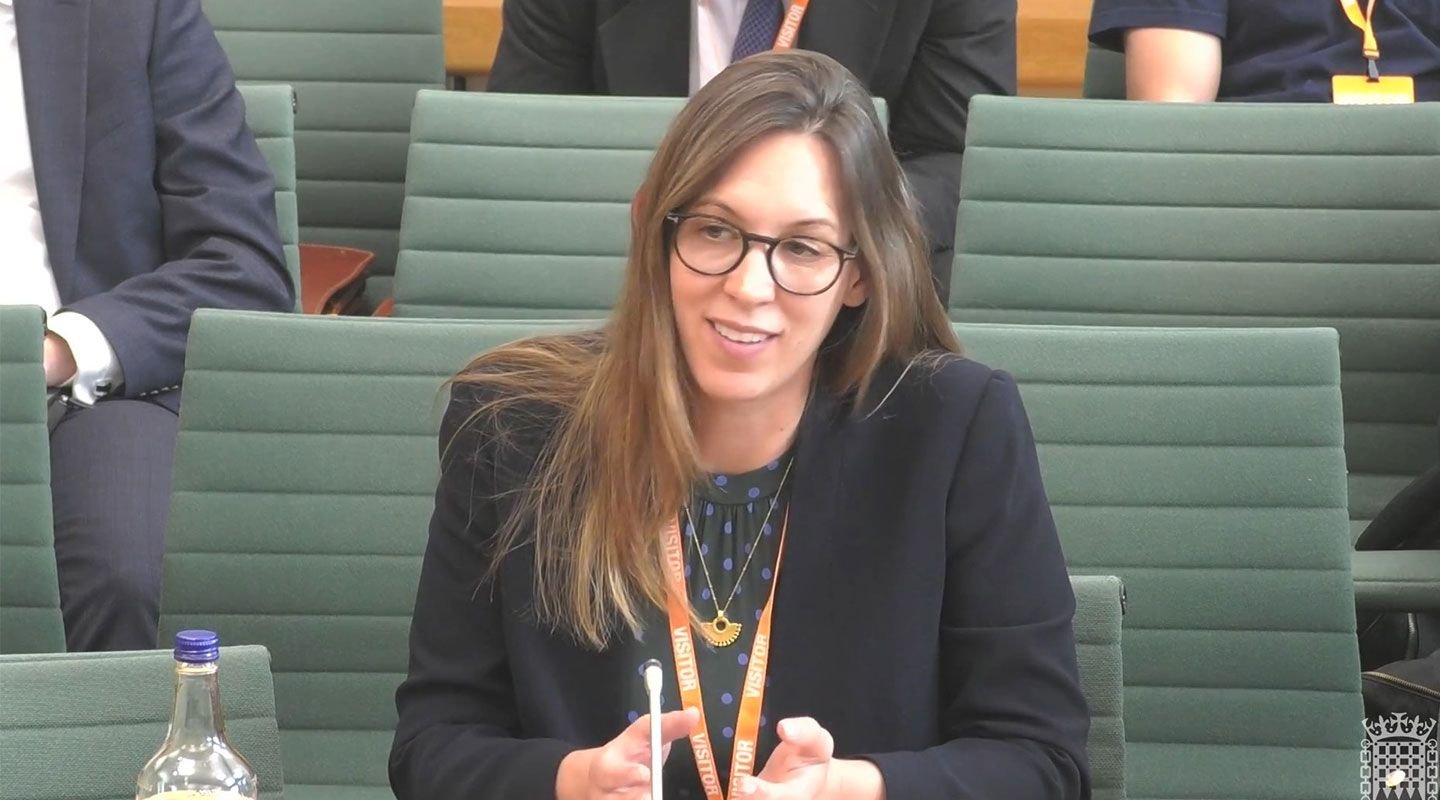
*Who is Professor Katrin Hohl?
A Professor of Criminology and Criminal Justice at City St George’s, University of London, and the UK government’s Independent Adviser on criminal justice responses to sexual violence. She co-led Operation Soteria Bluestone - the national programme that reshaped how police investigate rape - and was awarded an OBE in 2024 for services to victims of sexual violence.
Why this matters
Operation Soteria has already shifted how rape cases are handled at the police and CPS level - moving focus away from scrutinising victims, and onto the behaviour of suspects.
But the courtroom is where this approach is now being tested.
Because what happens at trial can undo everything that came before.
Victim-blaming narratives can resurface
Harmful assumptions about “credible” behaviour can take hold
Survivors can feel like they are the ones being judged.
At its core, this pilot asks: Can Soteria principles actually hold up in court?
What the pilot will look at
The research will explore how a suspect-focused, victim-centred, context-led approach can be applied post-charge - inside the courtroom itself.
That includes:
How evidence is presented and challenged
How survivor behaviour is framed
Whether courtroom practice reflects the same standards now expected in investigations
If successful, the approach could inform wider national rollout.
The bigger picture
This sits within wider government efforts to reform the courts and address violence against women and girls - including changes proposed through the Courts and Tribunals Bill.
There is increasing recognition that:
Improving investigations alone is not enough.
The system has to work end-to-end.
As Hohl put it: if courts don’t change, the long-term impact of Soteria is at risk.
MYH perspective
This is a necessary step, but it also reflects something many survivors already know: the courtroom is often where trust in the system is tested most.
Progress at earlier stages only matters if it holds under pressure - when cases are contested, delayed, and publicly examined.
What to watch
Whether this leads to practical courtroom changes, not just guidance
How “victim-centred” is defined and measured in trial settings
Whether the survivor experience is meaningfully captured in the evaluation