
Is Good Intention Enough?
Self-swab “rape kits” have emerged from a failing system, but survivor safety and specialist expertise must remain central
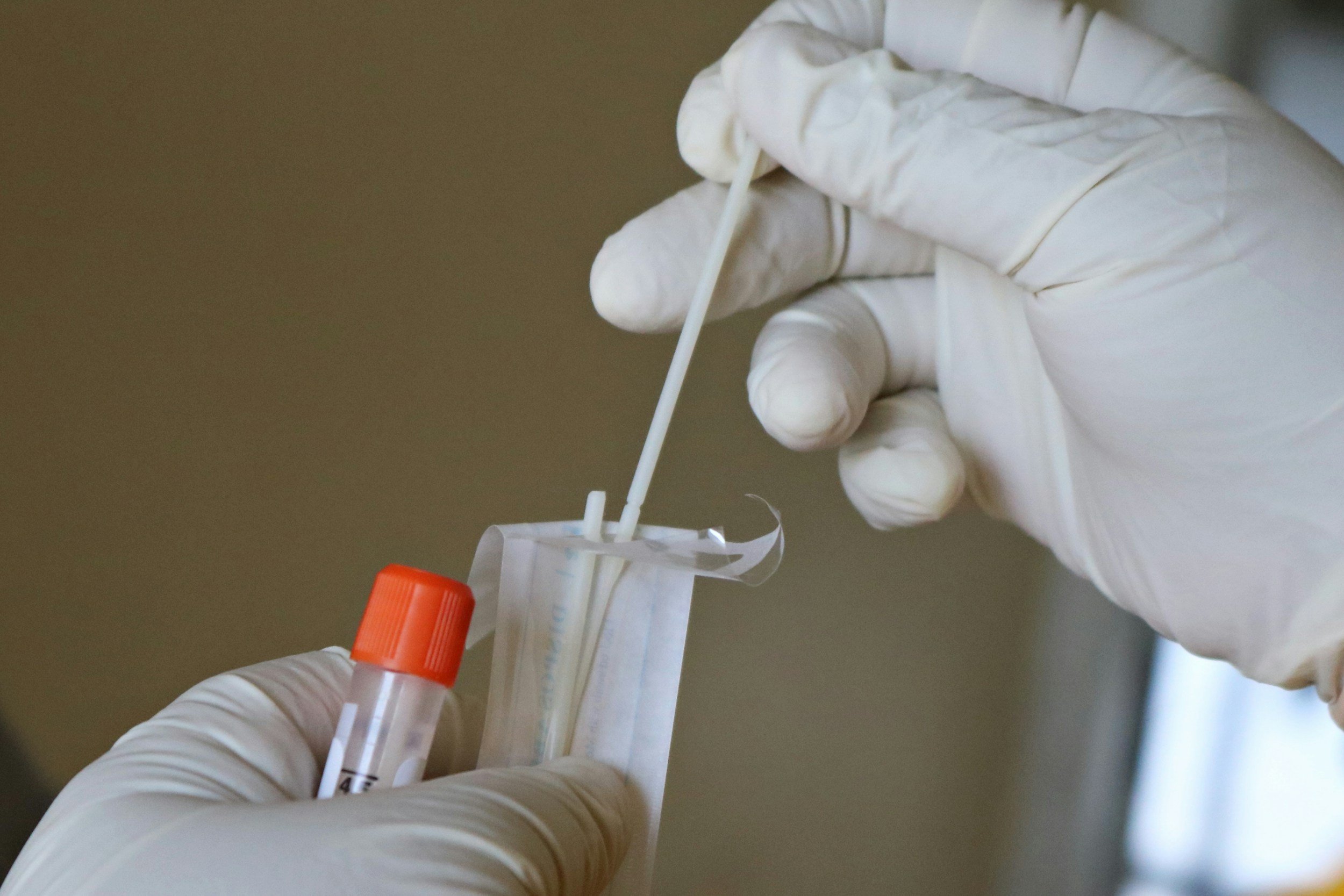
At M.Y.H, we are open to radical ideas and new approaches that could ease and improve the justice experience for rape survivors. The current system is failing far too many people, and meaningful change will require ambition, creativity and a willingness to challenge what is not working
But innovation must also be survivor-centred, evidence-led and subject to proper scrutiny.
We share the serious concerns raised by Rape Crisis England & Wales about self-swab “rape kits”. In May 2026, the Advertising Standards Authority (ASA) ruled that claims made by one company about the admissibility of DNA evidence collected through its self-testing kits had not been substantiated and were misleading. The company was told not to state or imply that such evidence is admissible in court without adequate substantiation.
This matters because survivors must be given clear and accurate information about what any kit can - and cannot do. Evidence collected outside a controlled forensic setting may be vulnerable to contamination or challenge. A self-swab kit also cannot capture the full range of medical and forensic evidence that may be gathered during a professional examination.
DNA may indicate that contact took place, but it cannot establish whether consent was present. In many rape cases, identity is not disputed, and the central issue is consent. Survivors should therefore not be given the impression that obtaining DNA will, by itself, confirm that a rape occurred or determine the outcome of a criminal case.
A self-swab kit cannot replace the care available through a Sexual Assault Referral Centre. SARCs can provide specialist, trauma-informed support, medical care, forensic examination and clear information about the options available, whether or not a survivor chooses to report to the police. A commercial product cannot replicate that level of professional care, reassurance or safeguarding.
We are also incredibly concerned by any approach that risks placing further responsibility on survivors to collect, preserve and manage potential evidence in the immediate aftermath of trauma. Survivors already carry far too much of the burden within the justice process. They should not be left believing that the strength or future of a case rests on whether they purchased a product, used it correctly or acted within a particular timeframe.
A recent Guardian opinion piece rightly drew attention to the crisis in rape justice and the understandable loss of trust in formal systems. It asked why an alternative like this exists at all, given the low proportion of cases that reach court and the experiences that deter many survivors from reporting.
That wider question is important. However, explaining why an intervention has emerged is not the same as establishing that it is safe, effective or accurately represented. In framing the company primarily as a response to systemic failure, the article risks underplaying the substance of the concerns raised by Rape Crisis England & Wales, Victim Support, policing bodies and others with specialist knowledge in this field.
Those concerns should not be dismissed as resistance to innovation or an attempt to defend a failing system. They relate to evidence integrity, admissibility, contamination, safeguarding, trauma-informed care and the risk of creating false hope.
It is incredibly important that organisations developing new interventions listen to - and work meaningfully with - the specialist charities, agencies, forensic professionals and institutions that have extensive experience supporting rape survivors and navigating the criminal justice system.
New ideas should be welcomed, but good intentions alone are not enough. Any intervention must be transparent about its limitations, independently scrutinised and designed to complement - not replace- specialist support, Sexual Assault Referral Centres and professional forensic care.
Both things can be true: the justice system is profoundly failing rape survivors, and products presented as alternatives must still be subject to careful, evidence-led scrutiny.
Survivors deserve genuine choice, accurate information and properly supported options - not another burden, or promises that cannot be guaranteed.
Further Reading:
We have included a selection of links below reflecting different perspectives on self-swab “rape kits”, including the concerns raised by specialist organisations, the ASA ruling and commentary on the wider failures within the criminal justice system that have allowed alternative approaches to emerge.
M.Y.H welcomes respectful discussion on this issue. We recognise that people may hold strong and differing views, and we welcome submissions that engage with the available evidence, the concerns raised and the experiences of survivors.