Making Victims’ Rights Visible
Just 2.5% of people surveyed in the West Midlands could demonstrate any knowledge of the Victims’ Code. A new campaign wants to change that
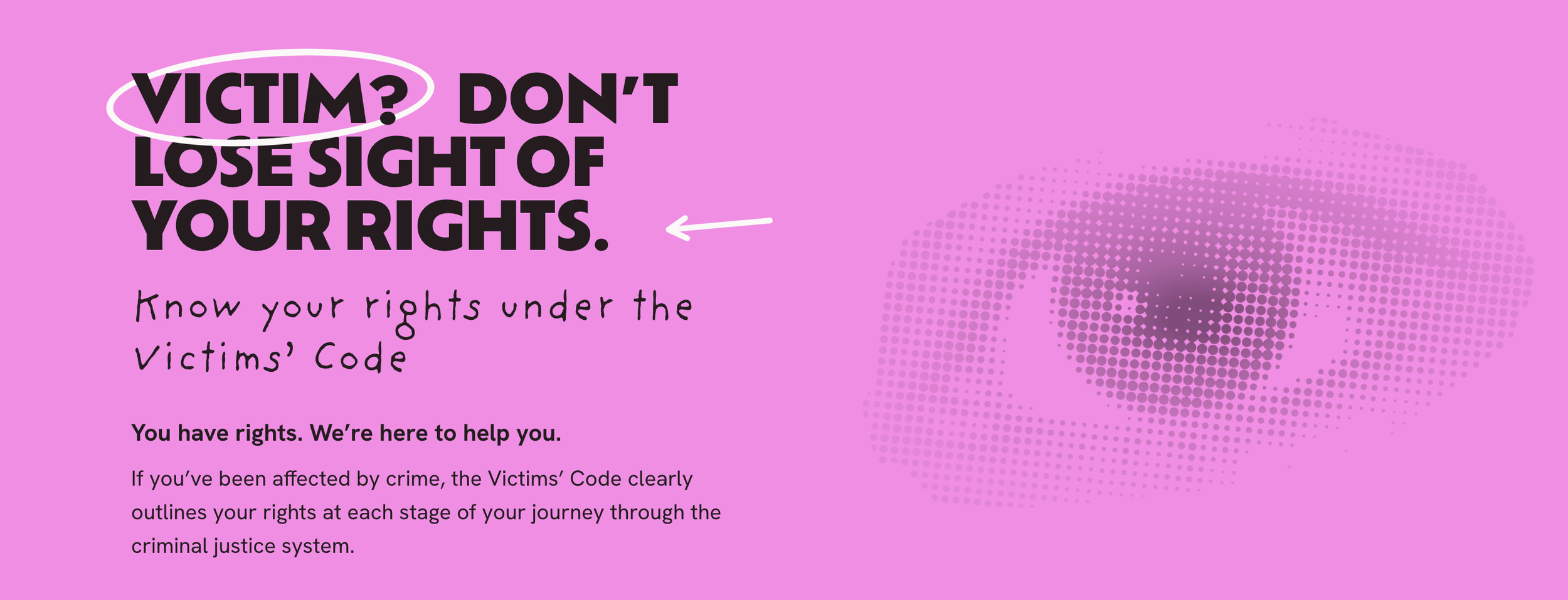
If you become a victim of crime, you have rights. But a new survey in the West Midlands has highlighted how few people know what those rights actually are.
Of almost 1,000 people surveyed across the region, just 2.5% could demonstrate any knowledge of the Victims’ Code - despite it having been in place for more than 20 years.
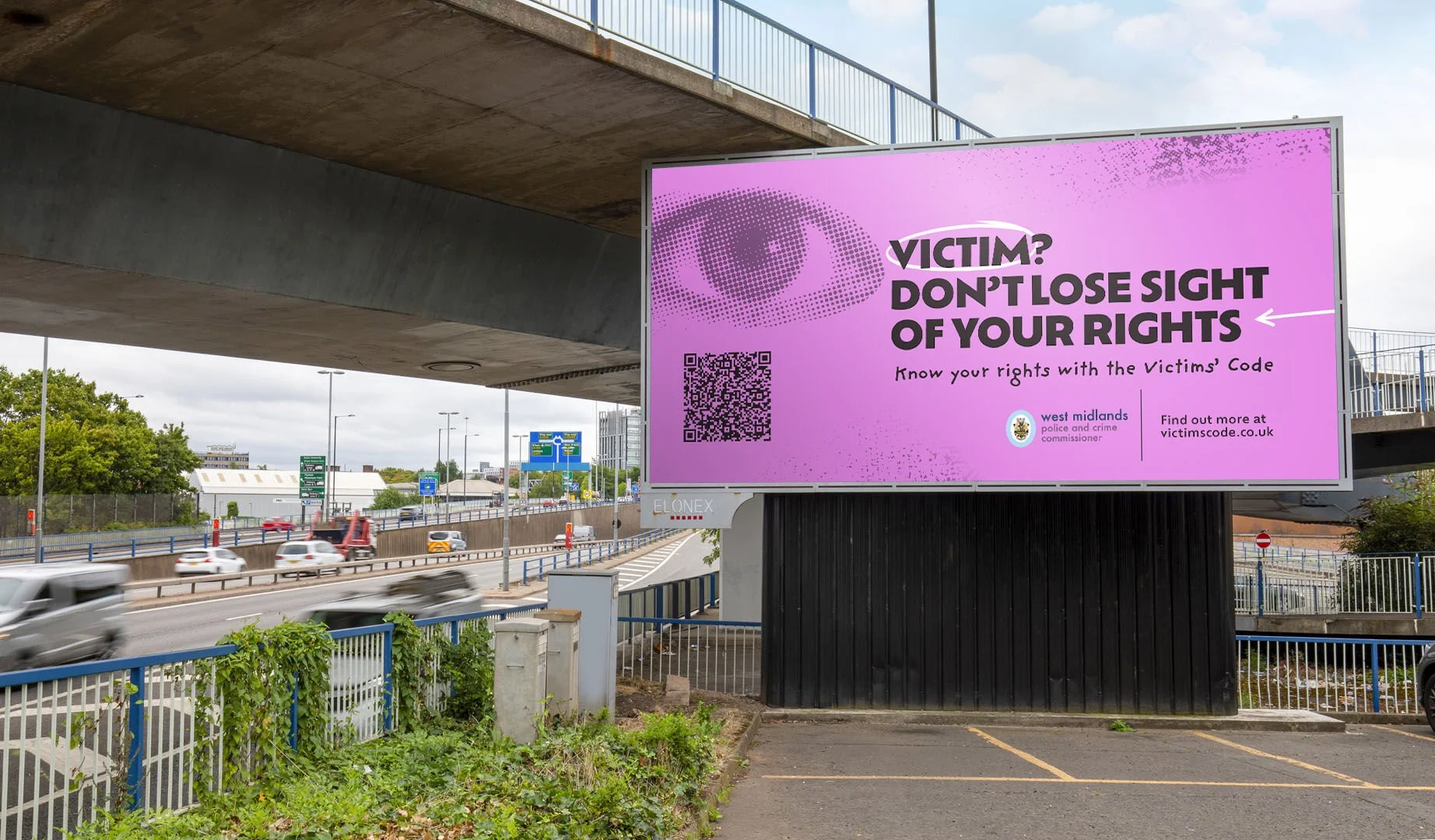
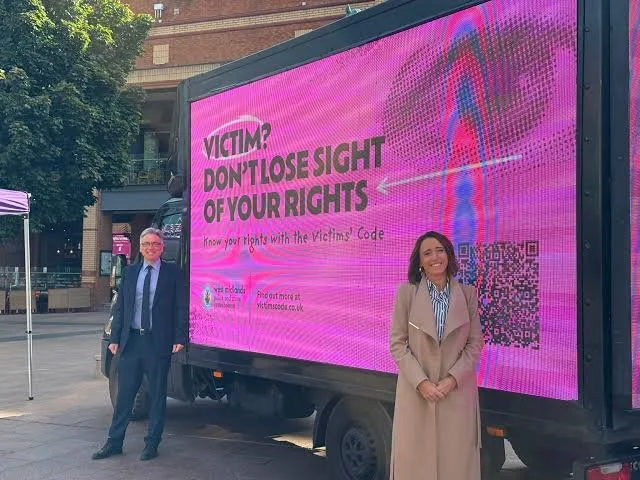
In response, West Midlands Police and Crime Commissioner Simon Foster and Victims’ Advocate Natalie Queiroz MBE have launched a new public awareness campaign: “Victim? Don’t lose sight of your rights.”
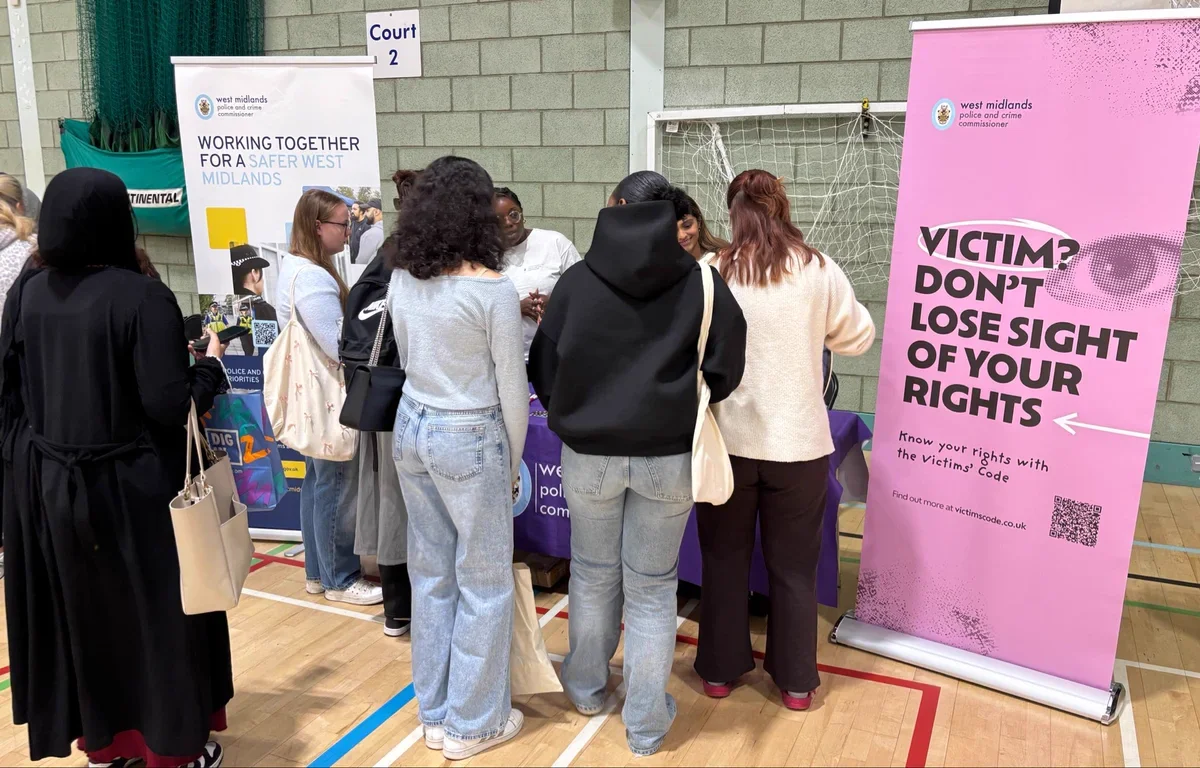
Throughout September and into October, adverts will appear across the West Midlands on mobile phones, digital billboards and public transport, with many including QR codes directing people to information about the Victims’ Code.
What is the Victims’ Code?
The Victims’ Code sets out the minimum service standards victims of crime should receive from criminal justice agencies.
These include rights around:
having the details of a crime recorded without unjustified delay
receiving information when reporting a crime
being referred to victim support services
making a Victim Personal Statement
making a complaint when your rights have not been met
For victims navigating a system that can already feel complicated and overwhelming, knowing those rights matters.
As West Midlands Victims’ Advocate Natalie Queiroz MBE put it, the Code can act as a “map” through an often confusing criminal justice system.
Rights only work if people know about them
At Make Yourself Heard, we talk a lot about the importance of knowing your rights.
Because you shouldn’t have to become an expert in the criminal justice system just because something happened to you.
And you shouldn’t have to discover what you were entitled to only after something has gone wrong.
Knowing your rights gives you something concrete to point to, something to ask for, and something to challenge when the system falls short.
That’s also why seeing campaigns like this publicly matters.
Victims’ rights shouldn’t be something you discover only after you’re already navigating the justice system. Seeing the Victims’ Code on buses, billboards, and our phones helps put that knowledge where it belongs: in people’s hands.
We need much more of this, nationwide.
The Victims’ Code isn’t just for professionals working within the justice system to know. These are victims’ rights - and far more people need to know they have them.
That’s why seeing campaigns like this out in public matters, and why we need much more of it nationwide.