
Reproductive Coercion, Exposed
Liv Nervo speaks out on consent, deception, and reproductive autonomy
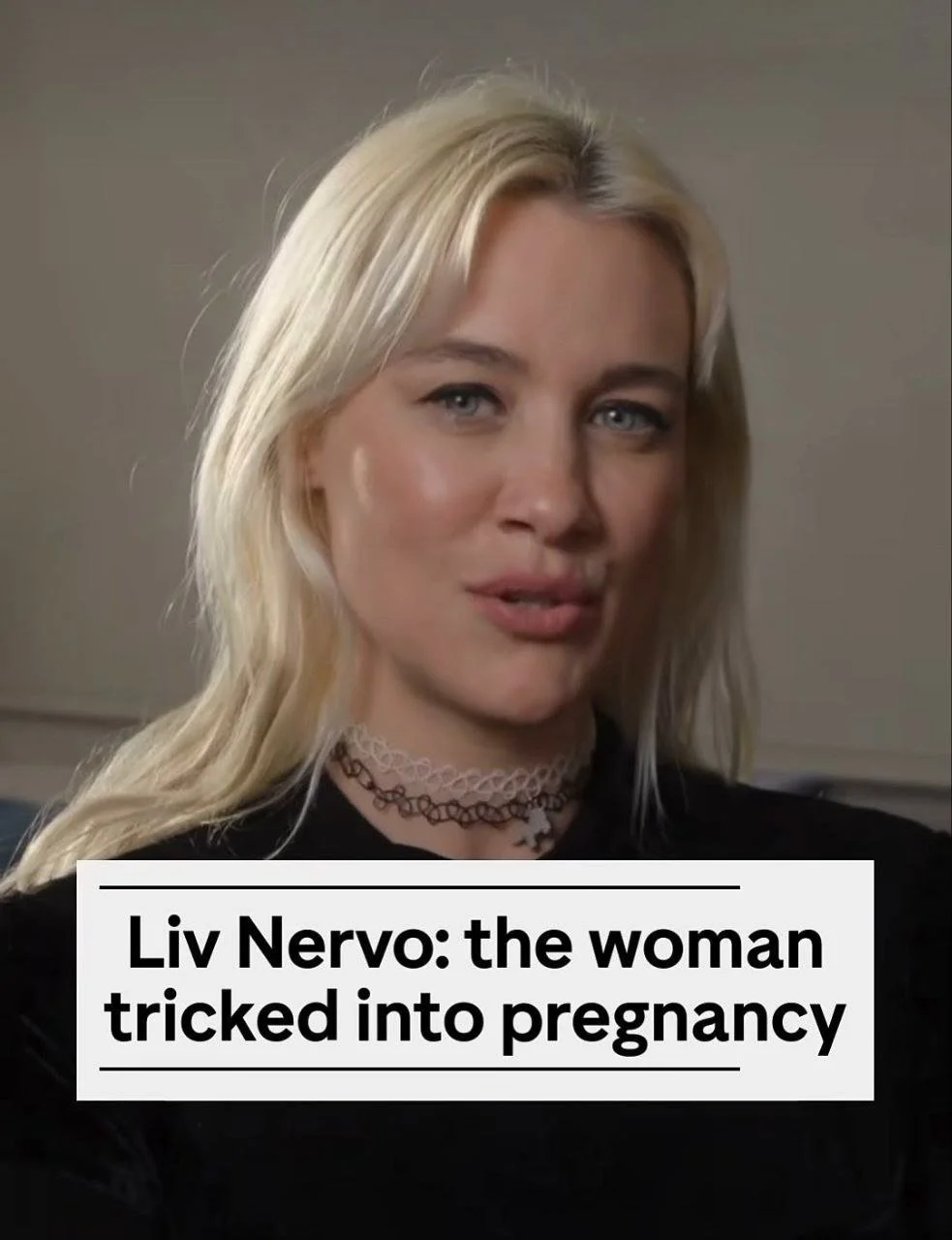
Liv Nervo is known globally as one half of NERVO - a superstar DJ, producer, and songwriter whose career has unfolded on the world’s biggest stages. But behind the confetti cannons, festivals, and flawless public image sits a far more intimate story: one of deception, violated consent, and the long shadow of reproductive coercion.
In a powerful piece shared with the Good Law Project, Liv has spoken publicly after years of being legally gagged - naming her experience for what it was, and reclaiming her voice.
Liv describes believing she was in a committed, monogamous relationship, actively planning a future and a family with a partner she trusted. The pregnancy was not accidental. It was deliberate, discussed, and carefully planned around fertility. Only later - while already pregnant - did she discover that her partner had been living multiple simultaneous lives, concealing other relationships, children, and an entirely different reality.
What followed was not just heartbreak, but a profound violation of reproductive autonomy. Consent was obtained through deception. Trust was exploited at the most vulnerable point of her life. As Liv has described elsewhere, the moment of discovery shattered not only her understanding of her partner but her sense of safety, reality, and future.
When Liv tried to speak out, the consequences deepened. She became entangled in years of exhausting, expensive legal battles that restricted what she could say publicly and placed enormous strain on her ability to protect herself and her child. Rather than offering protection, legal processes became another site of control - draining resources, extending trauma, and reinforcing silence.
Her story exposes reproductive coercion as a form of violence that is still widely misunderstood, minimised, or unnamed. It also reveals how power - particularly where wealth and influence exist - can shape whose voices are heard, whose are delayed, and whose are actively suppressed.
Despite this, Liv’s story is not only about harm. It is also about resilience, motherhood, and the slow reclaiming of agency. By speaking out now, she is naming what happened - not only for herself, but for others who have been tricked, silenced, or left without language to describe their experience.
Liv is clear that this is bigger than one case. It is about recognising reproductive coercion as abuse. It is about understanding that consent does not end at sex, and that deception around pregnancy and parenthood can cause lifelong harm. And it is about ensuring that systems designed to uphold justice do not, in turn, perpetuate control and silence.
Why this matters
Reproductive coercion remains poorly understood and under-recognised in both law and public discourse. Without naming it, survivors are left without protection, validation, or meaningful routes to justice. Listening to lived experience - and taking it seriously - is essential if reform is to be real, not symbolic.
Stories like Liv’s remind us that behind public personas are human lives, and that abuse can occur in any context. Naming it is not about the past - it is about preventing future harm.
Source: Good Law Project and Nervo