Unconscious Is Not Consent
Survivors are demanding action on drug-facilitated rape and the abuse of unconscious women
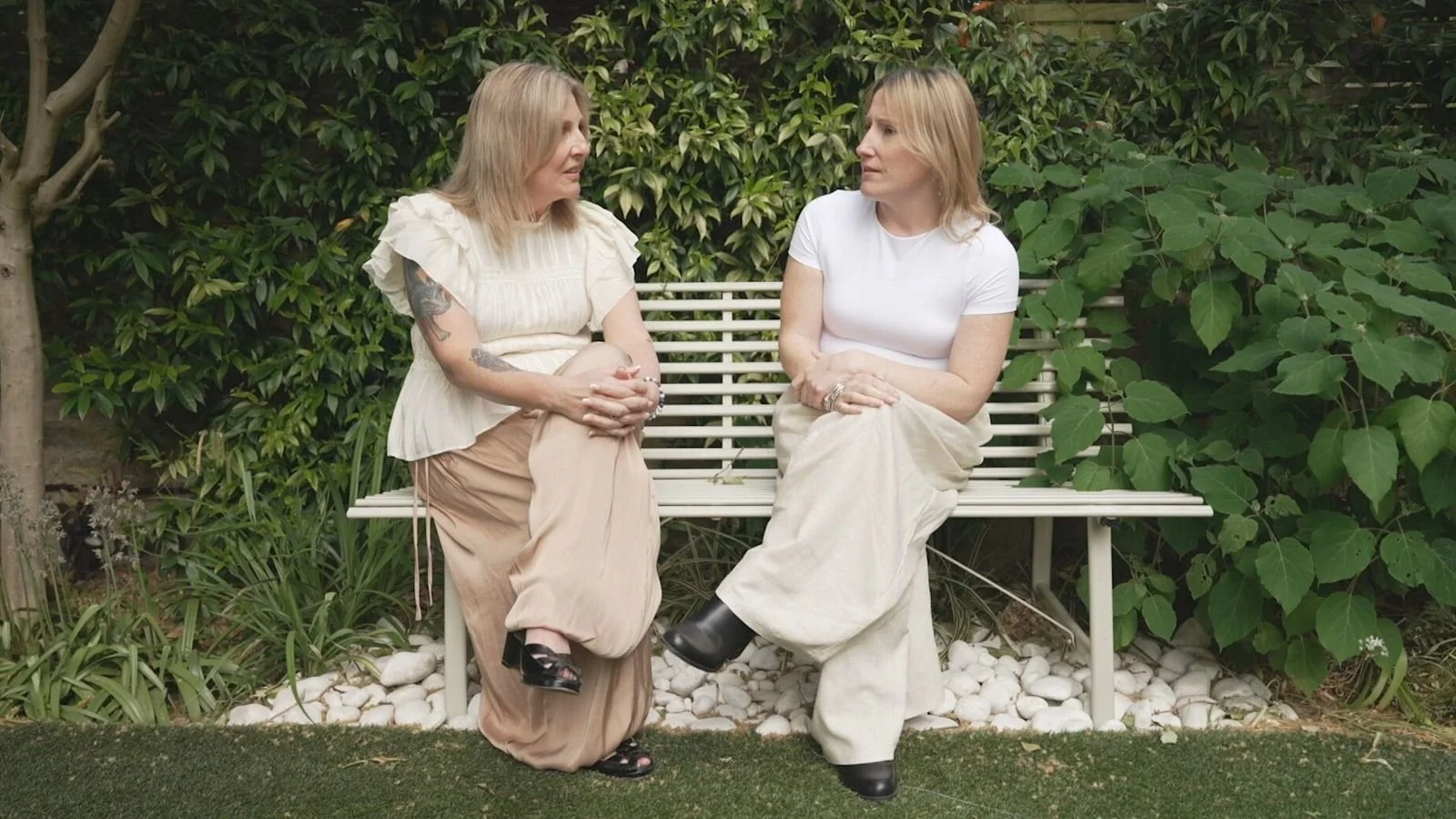
Two survivors are speaking out - and demanding change.
May 2026
This week, ITV News shared the stories of women subjected to drug-facilitated sexual abuse while unconscious at the hands of intimate partners. The survivor-led campaign, #EndEyeCheck, is now calling for stronger laws, accountability from online platforms, and greater public awareness around this form of abuse.
At the centre of the campaign is the reality that many survivors do not immediately understand what has happened to them. Waking up disoriented. Feeling violated. Missing memories. Bruises. Fragments. A body carrying fear before the mind can fully process why.
Drug-facilitated rape leaves many survivors trapped in an impossible space - aware that something is wrong, while struggling to piece together what happened. That uncertainty can be psychologically devastating, particularly when perpetrators weaponise confusion, medication, memory loss, or trust itself against victims.
As someone who was raped unconscious myself, this piece hit hard. There is something uniquely destabilising about knowing your body experienced violation before your mind can fully understand it. One of the hardest things about being raped unconscious is that you may never fully know what happened to you.
Even now, I don’t explicitly know what was done to me whilst I was unconscious. And with stories like this, the fear creeps back in - was it filmed? Is it sitting somewhere online? Would I ever know? During the police investigation, my phone was taken. His never was.
Mine was by a friend. I cannot begin to fathom the additional betrayal of realising the person responsible was the partner you shared a bed and life with. For many survivors, the perpetrator was not a stranger in a nightclub or alleyway. It was the person sleeping beside them.
The campaign also shines a light on the disturbing online communities where unconscious abuse material is shared, traded and normalised. Survivors are calling for the creation, possession and distribution of this material to become a specific criminal offence.
The courage of these women speaking publicly cannot be overstated. Because conversations around rape still too often centre a “perfect victim” narrative - conscious, physically resisting, immediately reporting, with full memory and evidence neatly packaged for public consumption. The reality is far messier. Trauma rarely arrives in a way society finds easy to understand.
Drug-facilitated rape needs to be taken seriously. Not minimised. Not misunderstood. Not buried under myths about memory, intoxication, relationships, or consent.
Survivors should not have to become investigators of their own trauma just to be believed.
#EndEyeCheck is not only a campaign for legal reform - it is a demand for recognition. Recognition that unconscious women are not “available”. Recognition that consent cannot exist without consciousness. Recognition that abuse hidden in relationships is still abuse.
And recognition that survivors speaking publicly about this are changing the conversation in real time.