
Silenced by Threats
A new Guardian feature shines a light on the growing use of SLAPPs - legal tactics accused of intimidating survivors, campaigners and members of the public into silence
A powerful new investigation by The Guardian explores the devastating impact of Strategic Lawsuits Against Public Participation (SLAPPs) in the UK - legal threats and court actions used to exhaust, intimidate and silence people who speak out.
While SLAPPs are often associated with journalists and the media, the feature highlights a reality many survivors and grassroots campaigners know all too well: these tactics are increasingly being used against victims of sexual violence, whistleblowers, local activists and members of the public.
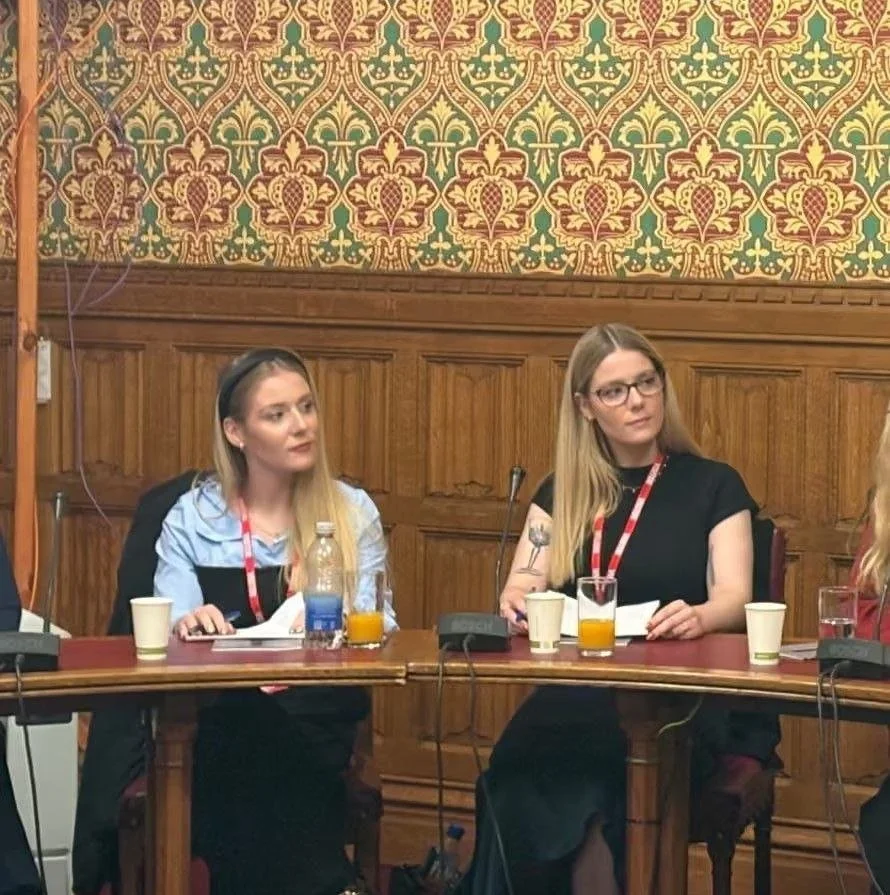
At the centre of the piece is Verity Nevitt and her twin sister Lucy, who were sued after speaking publicly about allegations of sexual violence when their case was dropped by the police. The sisters later founded The Gemini Project and have since become vocal campaigners against the use of legal threats to silence survivors.
The article also shares the experiences of campaigners like pensioner Jeff Thomson, threatened with legal action for campaigning on environmental concerns in Penrith, and Oxford resident Isabel Tucker, who received aggressive legal correspondence after criticising changes to a local market.
Across each story runs the same theme: fear, exhaustion, financial pressure and the chilling effect legal threats can have on public participation and free expression.
The UK government has previously described SLAPPs as an “abuse of the legal process” designed to “harass, intimidate and financially and psychologically exhaust” opponents. Yet, despite the government's previous promises to tackle the issue, concerns are growing that meaningful anti-SLAPP legislation may once again be delayed.
For many survivors and campaigners, the impact goes far beyond the courtroom. Even when cases never reach trial, the threat alone can fundamentally alter how people speak, campaign, advocate - or whether they speak at all.
The feature also touches on wider concerns around how defamation law and legal intimidation have intersected with the post-#MeToo landscape, particularly for women speaking publicly about abuse and violence.
As conversations around justice reform, freedom of expression and survivor advocacy continue, this investigation is a stark reminder that speaking out can still come at enormous personal cost.
And for many, silence is not a choice - it is enforced by fear.