
From one survivor's fight for answers to a campaign transforming access to justice. Celebrating Open Justice for All's achievements and the collective voices driving meaningful reform
By Jade Blue
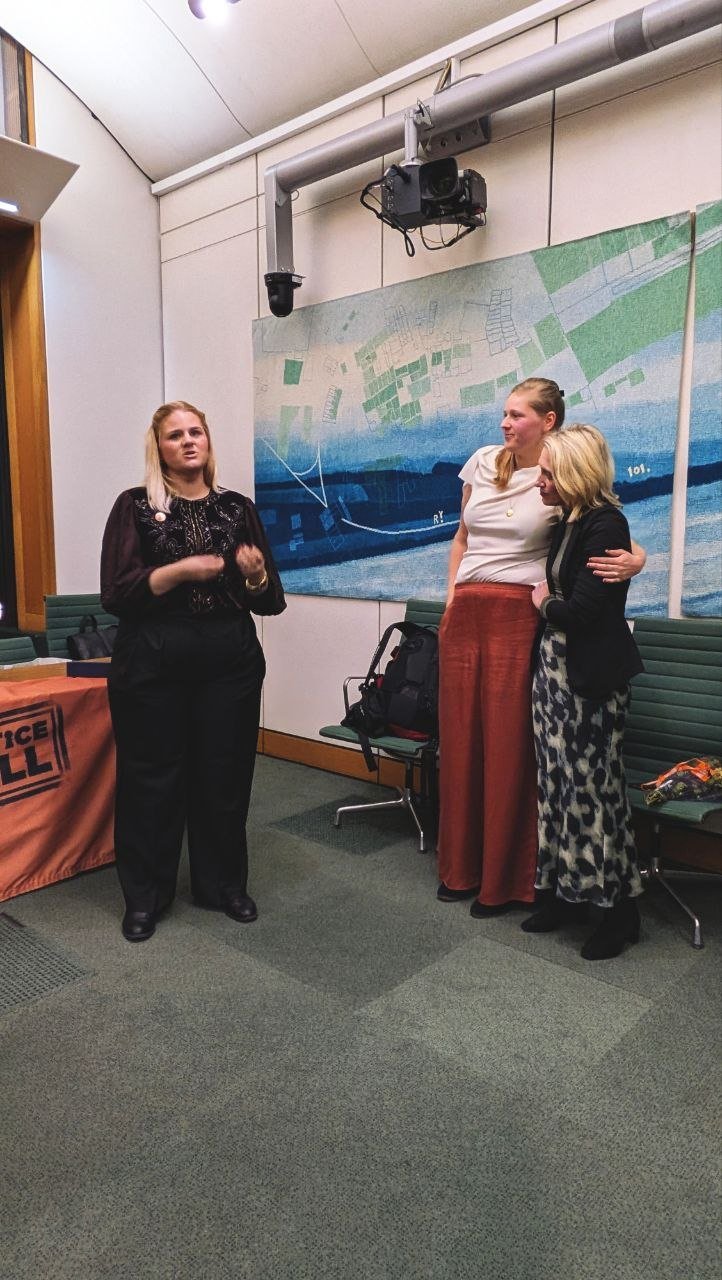
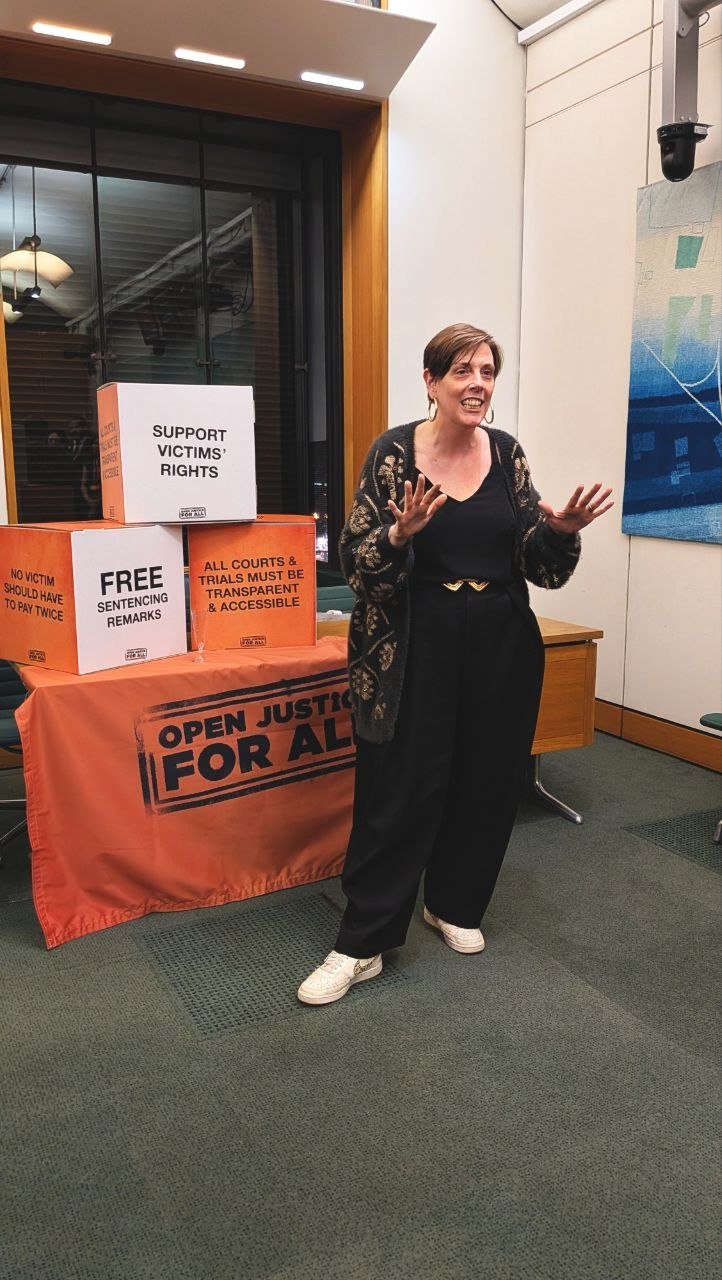
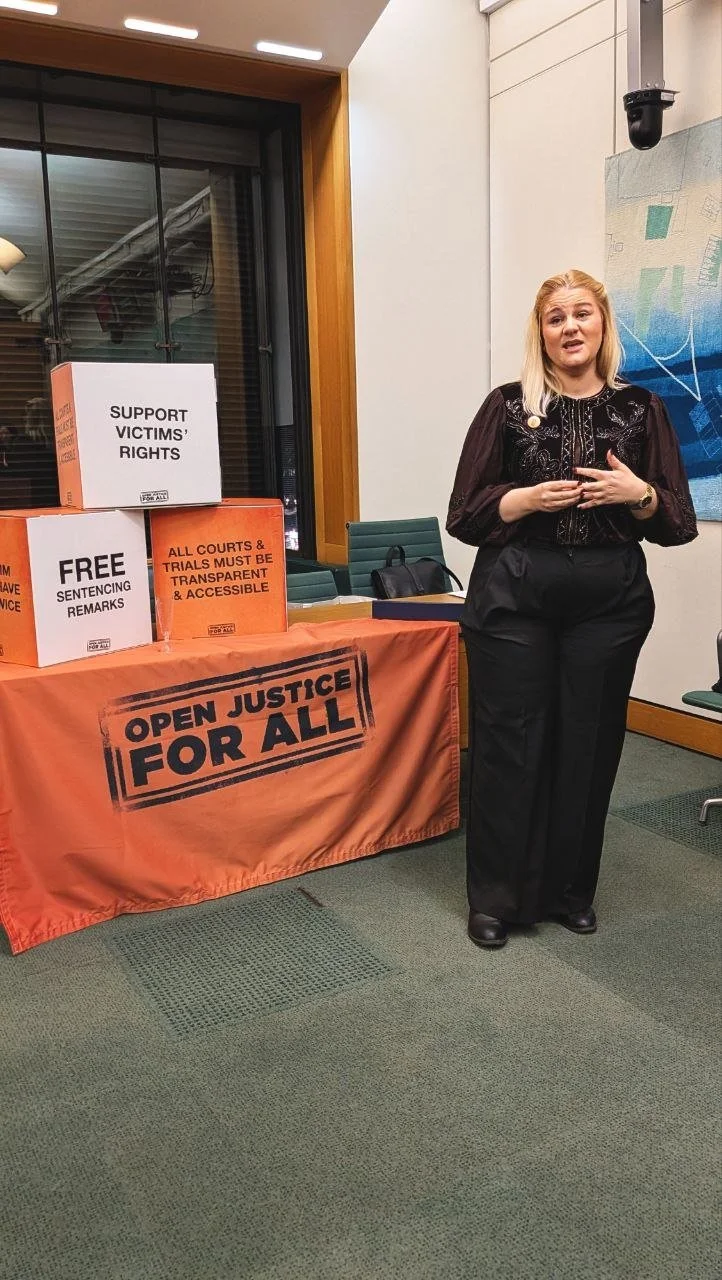
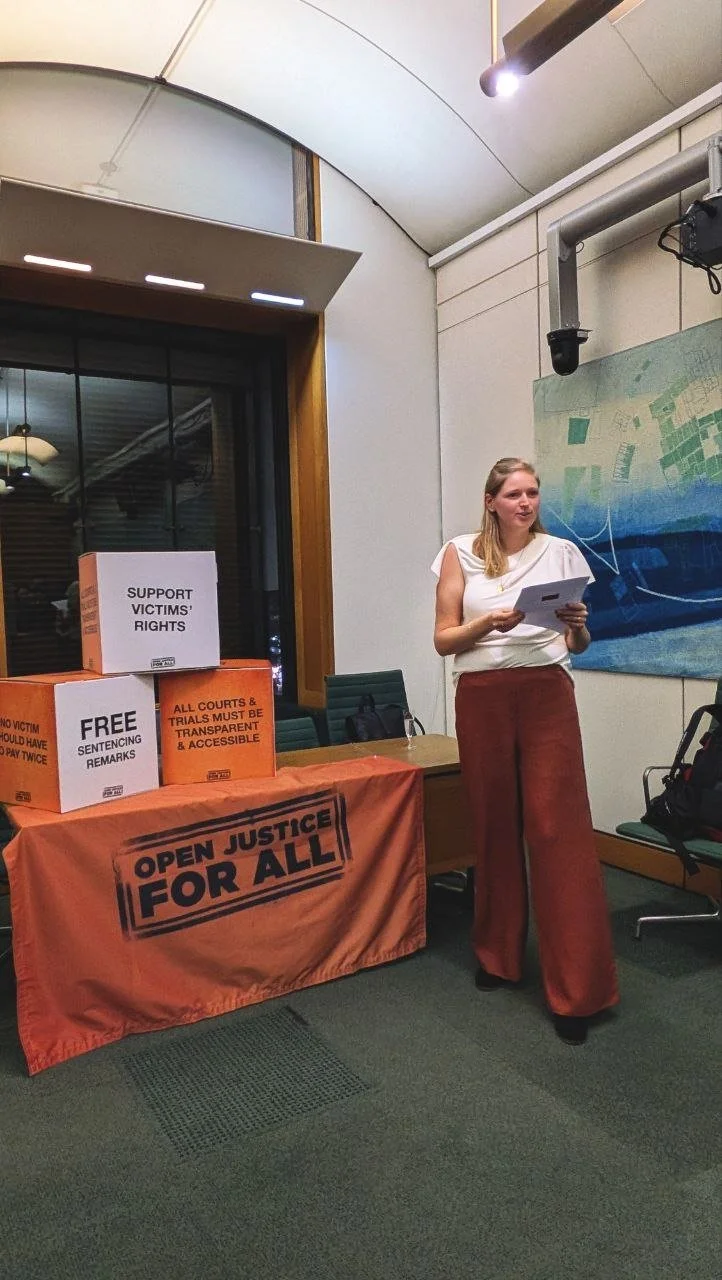
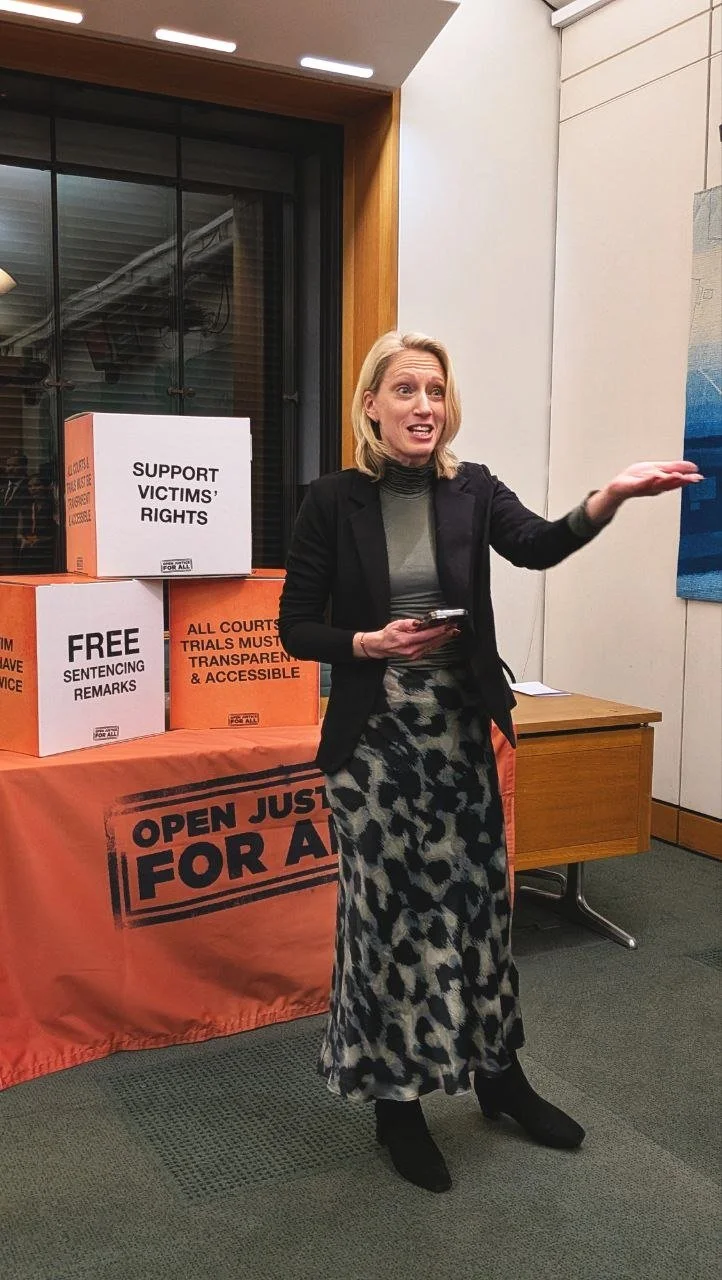

There is something incredibly powerful about being in a room full of people determined to make the justice system better. Attending Open Justice for All’s celebration in Parliament was a reminder of just how much can change when people come together, challenge the status quo and refuse to accept that things must stay as they are.
Hearing from Jess Phillips MP, Alex Davies-Jones MP, Victims’ Commissioner Claire Waxman and Open Justice for All founder Charlotte was genuinely inspiring. But Charlotte’s reflections on the journey behind the campaign particularly stayed with me.
Having experienced serious failings throughout her own criminal case, Charlotte left court without the answers she desperately needed. When she requested transcripts to understand what had happened, she was faced with a bill of more than £20,000. Because her case had been heard in a magistrates’ court, no recording was available. Rather than accept that injustice, she turned her frustration into action.
What began with one survivor asking why victims should be priced out of understanding their own cases grew into a campaign that has helped secure lasting change. Following years of persistence, a pilot providing free sentencing remarks to rape victims became permanent, and the government subsequently announced that sentencing remarks would be made free for all victims. Charlotte shared that 1,125 victims had already benefited from access to sentencing remarks through the campaign’s efforts. She described how one survivor had treasured hers as a reminder of why she had gone through the process.
A seemingly simple change, but one with an enormous human impact. And perhaps that’s what struck me most. Behind every policy change is a person who needed something to be different.
Charlotte also spoke about finding a community through campaigning. People who stood alongside her, supported her and helped turn an individual experience into a collective movement. There was something particularly moving about hearing her reflect on how campaigning had become both a lifeline and a way of putting anger into action. It’s a feeling I recognise.
Having spent years challenging decisions within the justice system myself, I know that change rarely happens overnight. It takes persistence, difficult conversations and sometimes telling your story more times than you ever imagined you would need to. But evenings like this remind me why it matters. Lived experience isn’t simply something to be listened to. It should actively shape reform.
MPs, ministers, commissioners and policymakers need to hear from those of us living the realities of the systems they oversee. Not just at the end of a consultation. Not simply as a powerful testimony in a room. But throughout the decisions that determine how those systems operate. Because our experiences reveal the gaps between policy and practice; they show where safeguards fail, where rights aren’t upheld and where seemingly small changes could make an extraordinary difference. And they offer something equally important: solutions.
Open Justice for All’s achievements prove what can happen when lived experience is taken seriously. But the work is far from finished. The campaign continues to push for the recording of magistrates’ court proceedings, greater transparency and accessibility, and meaningful accountability for victims’ rights.
As Charlotte reminded everyone, we don’t have to hold positions of power to begin making change. Sometimes it starts with a voice, a story and the determination not to go quiet. That message feels particularly important at a time when so much is being debated about the future of our courts and the rights of victims and survivors.
Our experiences should not simply become stories of what went wrong. They should help determine what happens next.
The changes we fight for today can and will shape the experiences of victims and survivors tomorrow. That’s why spaces like this matter, and why collective voices matter. And why those with the power to make decisions must continue listening to those who know the realities firsthand.
A huge congratulations to Charlotte and everyone behind Open Justice for All. What you’ve achieved deserves celebration, and I’m excited to see what comes next. Because justice reform shouldn’t just be informed by lived experience; it should be shaped by it.