
Andy Carroll Speaks Out
The former England footballer has spoken publicly about being sexually assaulted while asleep - prompting a wider conversation about the barriers male survivors can face in being heard.

“I was sexually assaulted, there I said it.”
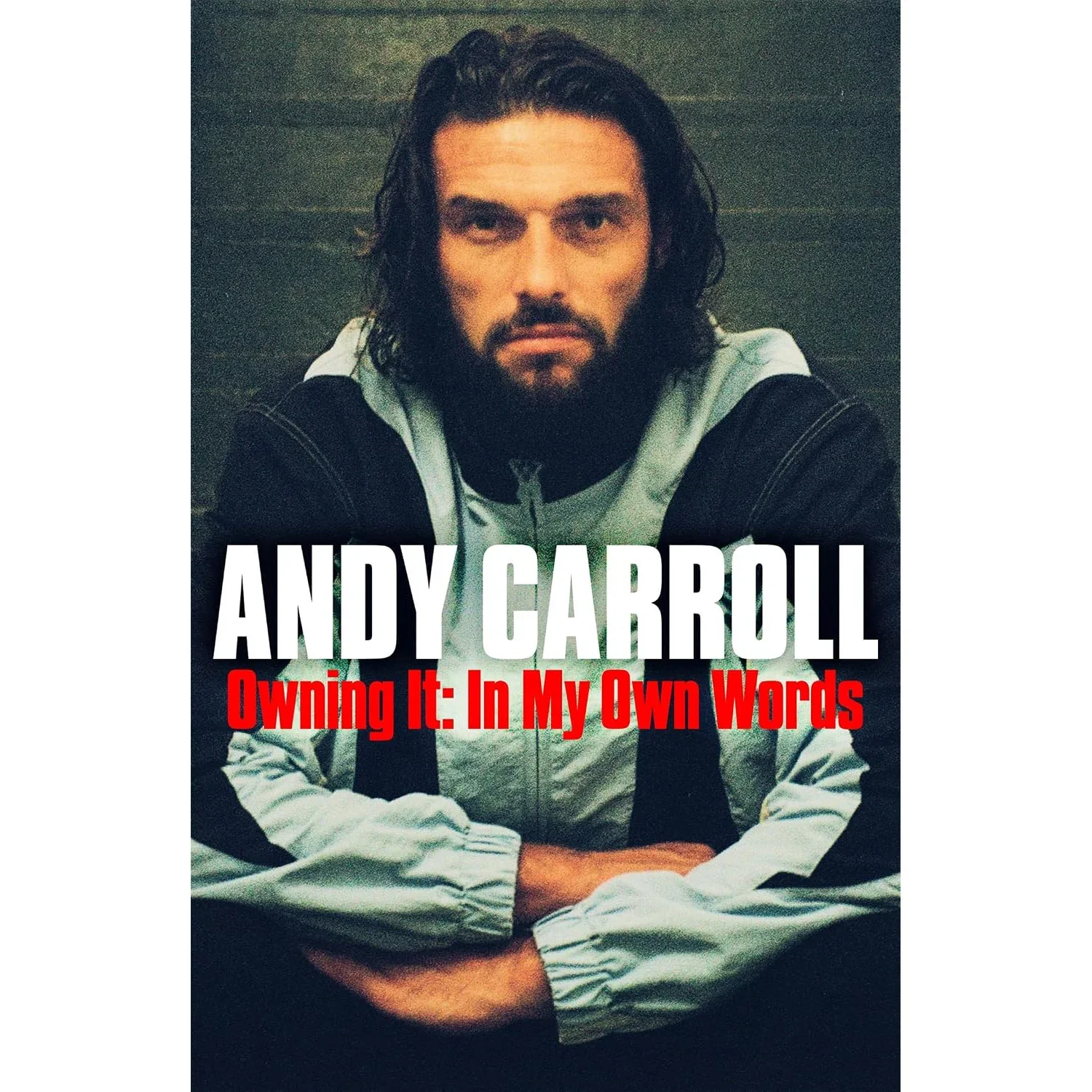
Those are the words former England footballer Andy Carroll has chosen to put into the public domain after revealing that he was sexually assaulted by a man at his home in 2021.
Carroll, 37, disclosed what happened in his new autobiography Owning It, published this week. He said he was asleep when the assault took place. The perpetrator was later convicted of sexual offences, jailed for three years and placed on the sex offenders register, after Carroll gave evidence in court.
For years, only a small number of people knew.
Carroll has said he only decided to include the experience in his book at the last minute. Speaking publicly, he said, was frightening - but if doing so “helps just one person”, it will have been worth it.
And perhaps that is where this disclosure matters beyond one person’s story.
Men experience sexual violence too
Sexual violence disproportionately affects women and girls. Acknowledging that should never mean leaving male survivors out of the conversation.
Figures from the Crime Survey for England and Wales estimated that 1.4 million men aged 16 and over had experienced sexual assault, including attempts, since the age of 16.
Yet the stereotypes surrounding male victimisation can make disclosure particularly difficult.
The expectation that men should be physically strong enough to defend themselves. The assumption that they should have fought back. Shame, fear of ridicule, fear of not being believed, or questions about what the experience somehow says about their masculinity.
These are not harmless misconceptions. They can become barriers to someone naming what happened to them or asking for support. SurvivorsUK has previously identified shame, guilt, isolation, fear of ridicule and expectations around masculinity among the barriers male survivors can face.
Being a man does not make somebody immune from sexual violence. Being physically strong does not equal consent. Being asleep means you cannot consent.
There is no ‘right’ survivor response
Carroll has also spoken about the lasting impact of the assault, saying it affected different areas of his life and that the trauma has not simply disappeared with time. He described giving evidence in court as an intensely difficult experience. That matters too.
Public conversations about sexual violence can still become fixated on how somebody reacted: Did they fight? Did they freeze? Did they report? Did they tell anyone immediately? Did they appear distressed enough afterwards? There is no single way to respond to sexual assault.
A survivor can be a professional footballer. They can be physically strong. They can fight an attacker off. They can freeze. They can speak immediately or stay silent for years. None of those things changes what was done to them.
Speaking should be met with support, not stereotypes
Nobody owes the public their story.
But when someone does choose to speak, particularly in spaces where male sexual violence has historically been discussed far less openly, it can give somebody else the language to recognise their own experience. It can challenge the idea that there is a particular kind of person who becomes a victim of sexual violence.
And it can make one thing a little clearer:
Sexual violence is about the absence of consent - not gender, masculinity, strength or sexuality.
Carroll chose to give up the anonymity he was entitled to and tell his story publicly. That decision belongs entirely to him. What should belong to all survivors is the ability to speak - whenever they are ready - and to be met with support when they do.
Need support?
If you are a man or boy affected by rape, sexual assault or sexual abuse, specialist support is available. SurvivorsUK supports adult male and non-binary survivors, while Safeline runs the National Male Survivors Helpline on 0808 800 5005. People aged 16+ of any gender can also contact the Rape Crisis England & Wales 24/7 Support Line free on 0808 500 2222 or via online chat.
You do not have to fit somebody else’s idea of a survivor for what happened to you to matter.