
Ignored. Failed. Blamed.
Three programmes are putting uncomfortable questions about victims, accountability and institutional failure firmly back in the spotlight

At MYH, we talk a lot about what happens when people try to make themselves heard - and what happens when the systems around them don’t listen.
Over the past few weeks, three programmes have brought those questions powerfully onto our screens.
BBC documentaries Britain’s Forgotten Girls and Panorama: Grooming Gangs – Why Were We Ignored?, alongside ITV drama The Blame, tell very different stories. Two centre the real experiences of women who were failed as children; one uses fiction to explore policing, accountability and institutional culture.
But the questions running through them feel painfully familiar.
Who gets listened to? Who gets dismissed? How many warning signs can be missed? And what does accountability look like when the systems meant to protect people become part of the problem?
For us, these aren’t simply programmes worth watching. They are conversations worth continuing.
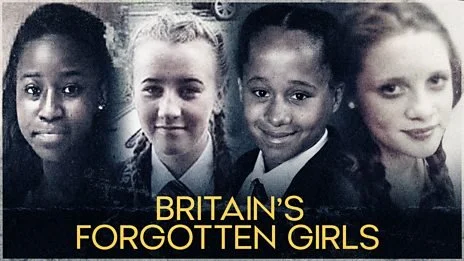
Britain’s Forgotten Girls - BBC
Britain’s Forgotten Girls hears directly from women who were groomed and sexually exploited by criminals when they were children.
Their accounts explore not only the abuse they experienced, but what happened when the agencies around them failed to recognise and respond to their vulnerability.
The documentary looks at the overlap between sexual and criminal exploitation, including children being used to transport drugs, and the consequences when exploitation is misunderstood or dismissed.
Importantly, the women themselves are at the centre of the programme - speaking about what happened, how authorities responded and the lasting impact of those failures.
Grooming Gangs: Why Were We Ignored? - BBC Panorama
Panorama’s Grooming Gangs: Why Were We Ignored? turns to Oxfordshire, where women describe the sexual abuse and exploitation they experienced as children - and the failures that surrounded them.
Their testimony is accompanied by an examination of how police and other agencies responded.
Thames Valley Police has acknowledged that authorities initially failed to take reports seriously and did not act as they should have. Operation Bullfinch was eventually launched in 2011, leading to a series of prosecutions and convictions.
But the programme’s title asks the question that is so difficult to move past:
Why were they ignored?
It is a question that reaches far beyond one police force, one town or one period in time.
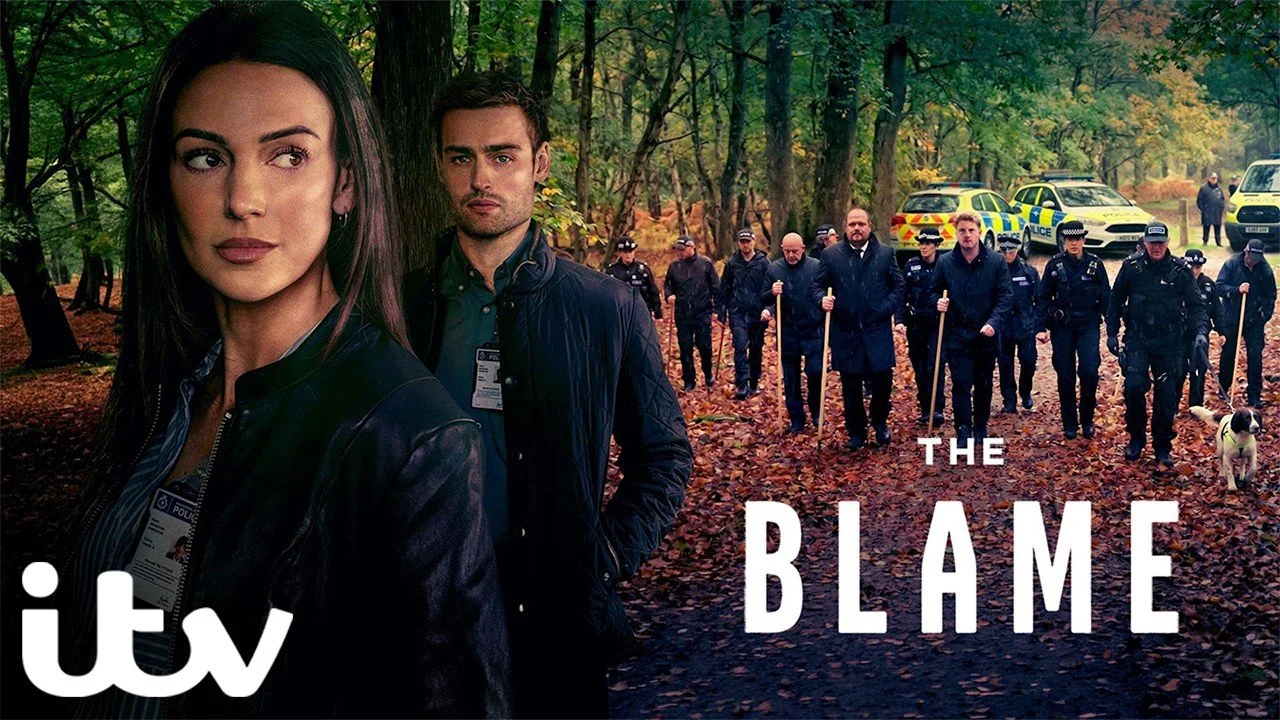
The Blame - ITV
Then there is The Blame.
Unlike the two BBC documentaries, this is fiction. The six-part drama, starring Michelle Keegan and Douglas Booth, begins with the murder of a teenage girl before turning its attention towards the fictional police force investigating her death.
As the investigation develops, detectives uncover misconduct and institutional cover-ups within their own ranks.
It explores questions that will feel familiar to anyone following conversations around policing and accountability: what happens when institutions protect themselves, who is prepared to challenge that culture, and where does that leave the people depending on those institutions?
Fiction isn’t evidence of what happens within real organisations. But drama can give us another way to interrogate the systems around us - and ask questions that extend well beyond what is happening on screen.
Why we’re highlighting all three
These aren’t comfortable watches, and their very different experiences shouldn’t be collapsed into one. But together, they bring some familiar questions back into focus.
Who gets believed? Who gets dismissed? Who notices when something is going wrong? And what happens when the people and institutions with the power to intervene don’t?
At MYH, we believe lived experience shouldn’t be listened to only after systems have failed. It should be part of how those systems are challenged, scrutinised and changed. Because behind every report, review, inquiry or promise to learn lessons are real people who have lived with the consequences.
Their voices deserve more than to be heard after something has gone wrong. They deserve to shape what changes next.
A note before you watch
These programmes deal with sexual abuse, exploitation and institutional failure, and some of the content may be difficult or upsetting. Watch at your own pace, take a break or turn it off if you need to - you don’t have to keep watching just because you started. Looking after yourself comes first.
If you need support: Rape Crisis England & Wales offers specialist support for anyone affected by rape, sexual assault or sexual abuse. SurvivorsUK provides specialist support for men, boys and non-binary survivors, while the NSPCC can provide advice and support around concerns about child sexual abuse and exploitation.
However you’re feeling after watching, you don’t have to sit with it on your own.