Four Years Since I Told My Story
On 5 October 2022, I waived my anonymity and told my story publicly for the first time. Four years later, I can see that moment as the beginning of something much bigger - finding my voice, challenging the systems that failed me, and eventually creating Make Yourself Heard
By Jade Blue
Four years ago today, I put my name and face to my story for the first time.
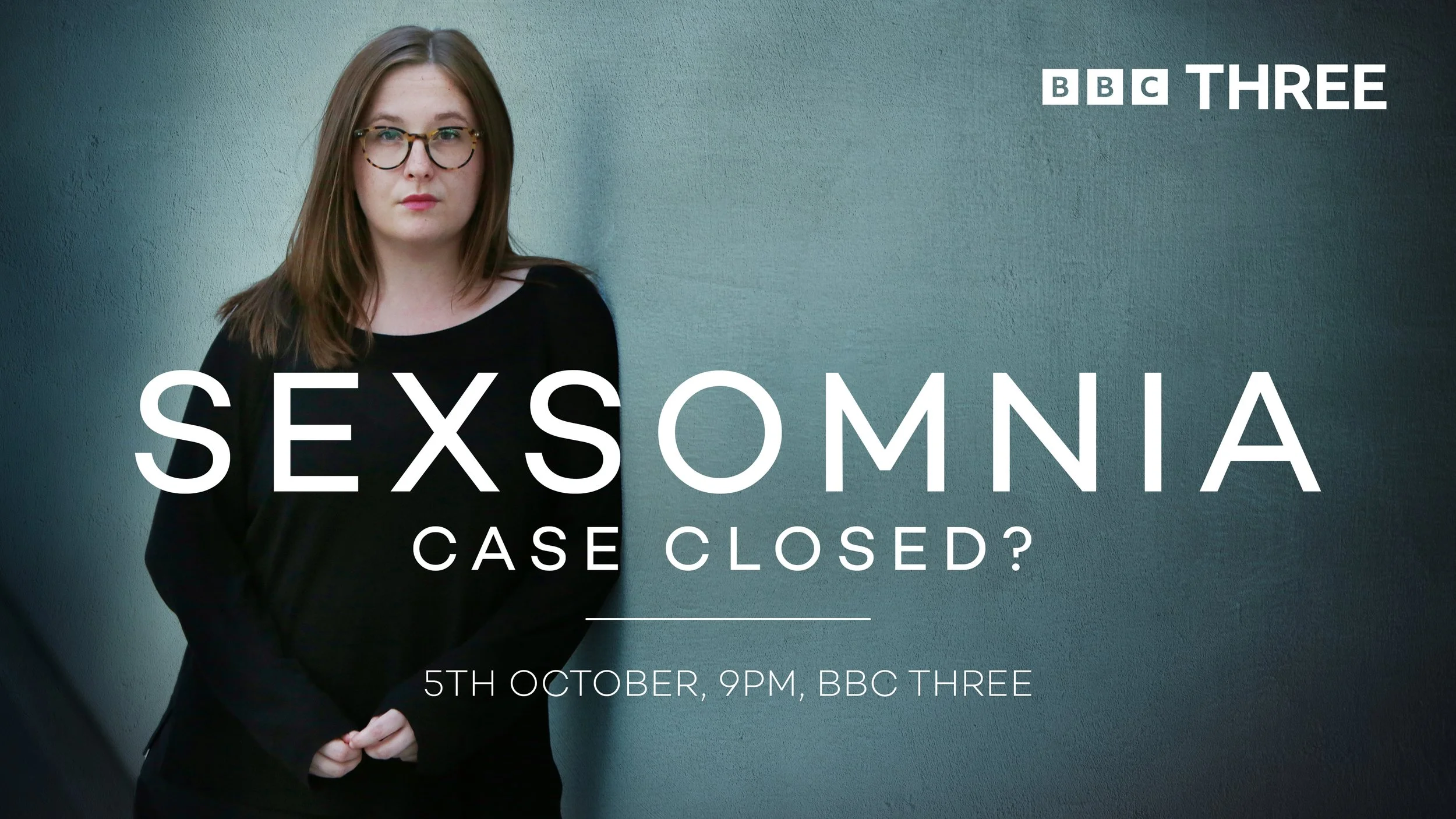
On 5 October 2022, the BBC published “Claims I had sexsomnia destroyed my rape case”, alongside the BBC Three documentary Sexsomnia: Case Closed?
The documentary had followed my case over three years as I fought to understand how a rape prosecution that had been heading for trial could end with no trial at all - and how a suggestion that I may have experienced sexsomnia while asleep had played such a significant role in that decision.
It was the first time the public knew my name.
Until then, I had the lifelong anonymity afforded to victims of rape. I didn't choose to give that up lightly.
I wasn’t doing it because I thought survivors needed to put their names or faces to what happened to them. Anonymity is a right, an important protection, and choosing to keep it should never make somebody’s voice less powerful or their experience less worthy of being heard.
For me, it was about taking some ownership of a story that, for years, had felt as though it belonged to everybody but me. And looking back now, it was also the beginning of finding my voice.
Fighting for answers
By the time the documentary and article were released, I had already spent years trying to understand what had happened to my case. Shortly before trial, my case had been dropped after the possibility was raised that I had experienced an episode of sexsomnia while asleep.
I requested the evidence. I read police interviews, toxicology results, witness statements and expert reports. I tried to understand terminology and processes I had never expected to need to know.
Eventually, an independent Chief Crown Prosecutor reviewed the case and concluded that it should have gone to trial. He found that the sleep specialist's expert opinions and the defendant’s account should have been challenged in court, and that a jury would have been “more likely than not” to convict. The CPS apologised unreservedly.
But that acknowledgement couldn’t give me back the trial I had lost. The defendant had been formally acquitted and, without compelling new evidence, double jeopardy meant he could not be tried again.
At the end of that first BBC article, I said that I hoped the CPS would learn lessons so that other victims didn’t have to go through what I had. I don’t think I realised then quite how much that hope would shape the next four years of my life.
From speaking out to pushing for change
I went on to sue the CPS. But somewhere along the way, this stopped being only about what had happened in my case. Speaking publicly brought me into conversations with other victims and survivors. Different crimes. Different experiences. Different parts of the justice system. But so many familiar threads.
People trying to understand their rights and chasing updates. Questioning decisions they didn’t understand. Trying to work out what they could challenge and how. People learning about rights, processes and protections only after something had already gone wrong. And people navigating some of the hardest experiences of their lives, feeling incredibly alone. That stayed with me.
Because information matters. Knowing your rights matters and understanding what should happen next matters. But human stories matter too. There is something powerful in hearing somebody else describe the thing you thought only you were feeling. It might not change an outcome. It might not fix what happened. But sometimes it can make you feel a little less alone.
Why I started Make Yourself Heard
That became a huge part of the thinking behind Make Yourself Heard. I wanted to create the kind of space I wish I had found when I was navigating the justice system.
Somewhere we could share information and make our rights easier to understand. Somewhere lived experience could sit alongside policy and campaigning. Somewhere we could talk honestly about what navigating justice actually feels like - including the parts that rarely make it into official reports, statistics or press releases. And somewhere human stories could be heard.
Because for all the language of “victim voice”, too often people still navigate these systems in isolation. Too often we don’t know what our rights are until we need them. Too often we don’t know that somebody else has experienced the same failure, asked the same question or fought the same battle. And too often people feel silenced - by shame, by fear, by legal processes, by institutions, or simply by the exhaustion of having to keep fighting to be heard.
Make Yourself Heard grew from wanting to change a little of that. Not by pretending there is one victim or survivor experience. There isn’t. But by creating somewhere for more of those experiences to exist.
Four years later
Something strange about looking back at the woman in that first BBC article and documentary: she was still trying to make sense of what had happened.
She had spent years effectively reinvestigating the decision in her own case, poring over evidence because she needed answers. I wish she hadn’t had to fight that hard. I wish nobody did.
But I am proud that she spoke. Not because waiving my anonymity made me braver, more credible or more deserving of being heard. It didn’t. It was simply the choice that felt right for me. Once I found my voice, I realised I wanted to use it.
Four years later, that voice isn’t only asking what went wrong in my case. It’s asking what we can learn from it. What needs to change. What rights people should know about before they need them. Whose experiences aren’t making it into the conversation. And how we make sure lived experience isn’t simply listened to sympathetically, but taken seriously when systems, policies and decisions are being shaped.
That is what Make Yourself Heard has grown from. Not the belief that everyone has to speak publicly. Quite the opposite. You can speak anonymously. You can tell your story years later. You can share only part of it. You can create art from it. You can challenge privately. You can campaign publicly. You can decide never to tell anybody at all. There is no correct way to be a victim or survivor.
Making yourself heard doesn’t have to mean giving up your anonymity. It means recognising that your experience matters. And creating more spaces where, whenever somebody does choose to use their voice, they don’t have to feel like they’re shouting into the dark alone.
Four years ago, I put my name to my story. I didn’t know then where it would lead. I just knew I didn’t want my case's failure to be the final word. It wasn’t. And Make Yourself Heard is part of what came next.