
The Fear of Falling Back
When anxiety returns after years away, asking for support is not a failure - it is self-awareness.
By Jade Blue
Inspired by Natalie Fleet’s openness about recognising when something was affecting her wellbeing - and having the courage to step back.
There can be a quiet shame in admitting that something is no longer manageable.
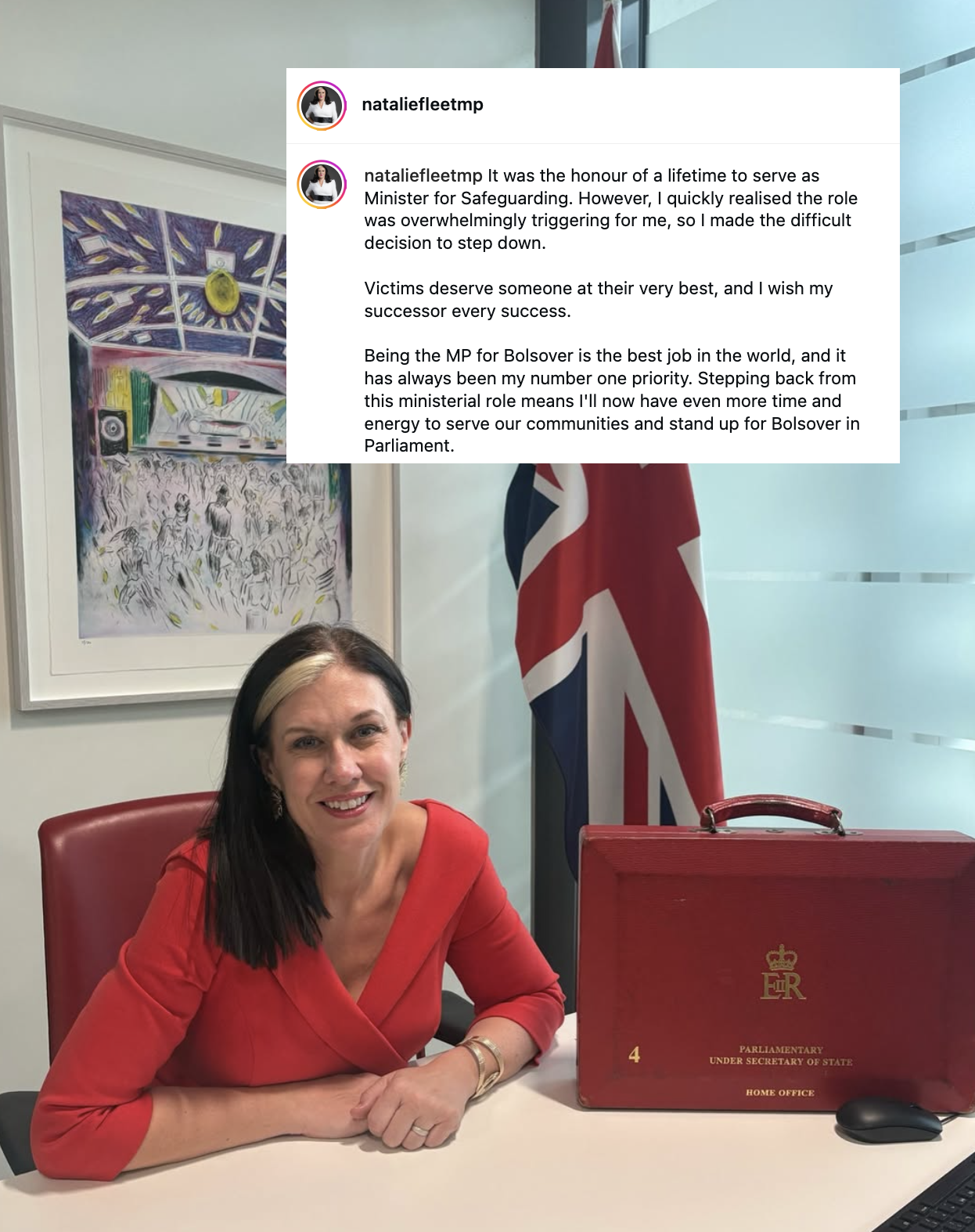
Natalie Fleet recently spoke openly about stepping down from her safeguarding ministerial role after recognising that it was overwhelmingly triggering for her.
Her honesty stayed with me. There is real courage in acknowledging the impact something is having, rather than forcing yourself to continue because you believe you should be able to cope.
It also made me think about the shame that can sometimes come with needing support again.
We tell ourselves we should be stronger by now. That the therapy, time and work we have already put in should mean we no longer struggle. That asking for help again somehow proves we have gone backwards. It doesn’t.
Healing is not a finish line. Therapy does not make anyone immune to future difficulty, and returning to it does not erase the progress already made. Sometimes life changes. New pressures emerge. Old wounds are touched in unexpected ways.
The reason someone needs support now may not look exactly like the reason they needed it before. It may be connected to health, fertility, work, grief, burnout or a loss of control. But experiences do not sit neatly in separate boxes.
Our minds and bodies can react to new situations in ways that feel painfully familiar. A physical sensation, an overwhelming emotional response or a sudden loss of control can echo something we thought we had moved beyond.
I was genuinely scared when I experienced severe anxiety recently and felt myself on the cusp of a panic attack. It was something I had not experienced in years. The fear was not only about that moment; it was the fear of it coming back. The fear that I was slipping into a place I had worked so hard to leave.
That fear can be powerful. It can make one difficult moment feel like proof that everything is returning. But one response does not undo years of healing.
Rape and sexual violence may not be the most immediate reason someone seeks support again. Still, their impact can remain intertwined with how the mind and body respond to fear, uncertainty, vulnerability and change. Trauma can shape our emotional, mental and physical responses long after the most obvious crisis has passed.
That does not mean we are broken. There is no shame in asking for help before reaching crisis point. There is no prize for coping alone, and no failure in returning to something that has helped before. Sometimes strength looks like carrying on. Sometimes it looks like recognising that carrying on in the same way is no longer sustainable.
This is partly a reminder to myself. But Natalie’s openness about recognising the impact the role was having and choosing to step away made it feel important to say aloud. Whether it is returning to therapy or stepping back from something that has become too much, recognising what we need should not be treated as failure. We need to challenge the shame around asking for help, changing course and refusing to struggle alone.
Needing therapy again does not undo your healing. It may simply mean you are listening to yourself sooner.