
I’ve spent years learning to separate lived experience from advocacy. But navigating fertility difficulties while working in abortion care has left me wondering whether I’ve finally reached the limits of my emotional capacity
By Jade Blue
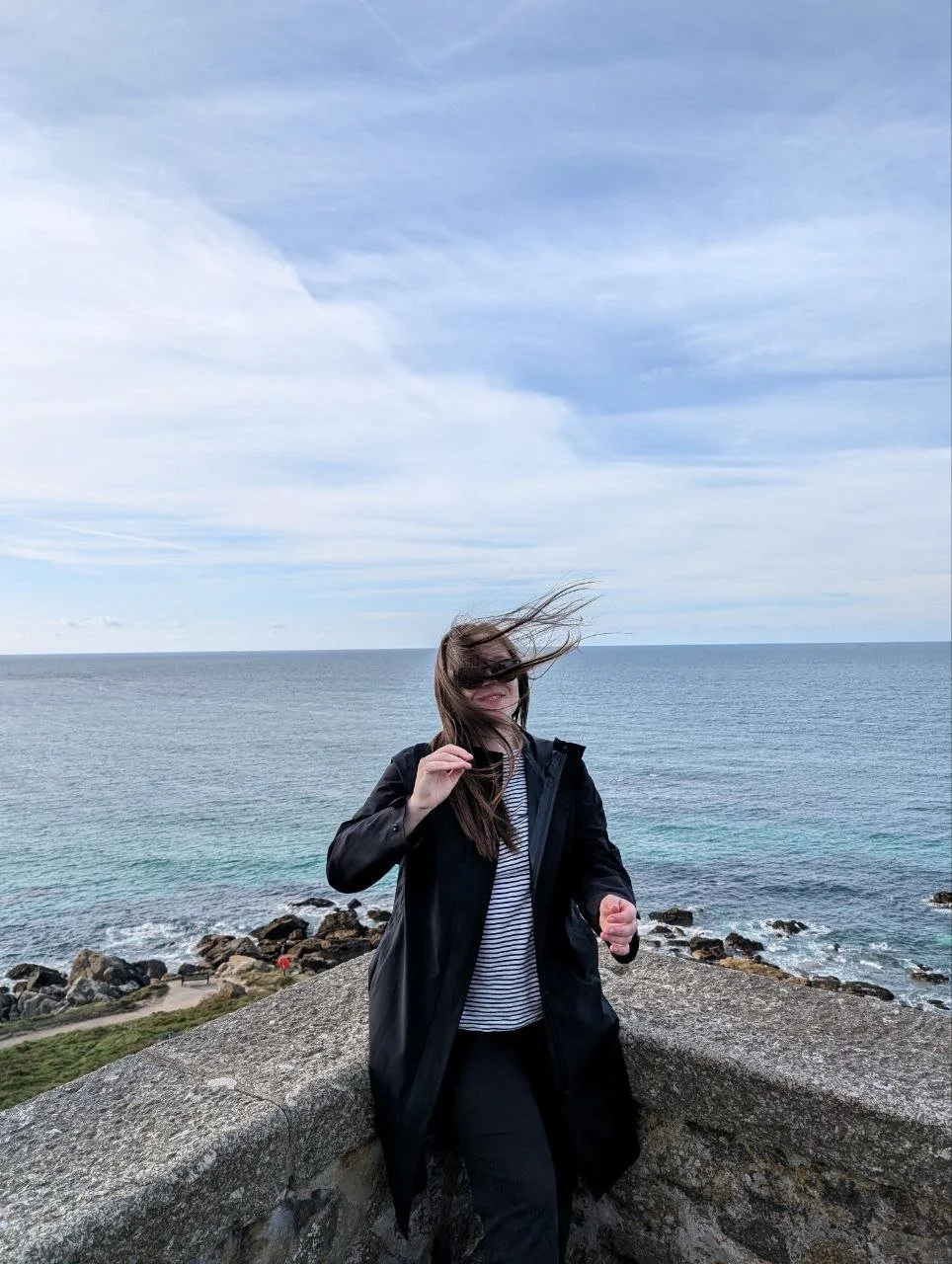
I’m an oversharer at the best of times; anyone who knows me will probably agree. But lately, I’ve been sitting with something I’m struggling to put into words.
I’ve started wondering whether my mind and body are responding to previous trauma. Not necessarily the trauma itself, but the years that followed. The emotional demands, the institutional failures, the constant need to advocate for myself and the ability I’ve developed to keep functioning through difficult experiences.
Or maybe it's something simpler. I've reached the limit of how much one person can compartmentalise.
When lived experience becomes advocacy
For years, I’ve spoken publicly about my experience of sexual violence and the failures of the criminal justice system. I’ve sat with politicians, prosecutors, police officers and policymakers, discussing experiences that were once some of the most painful moments of my life.
Somehow, I’ve learned to separate my personal experiences from the work I’m doing to change the systems that failed me. Not because those experiences no longer affect me, but because I’ve found a way to channel them into something constructive. I would say, I’ve become relatively good at it.
I can talk about institutional harm, justice failures and the need for reform while remaining focused on the bigger picture. But I’m beginning to realise that this ability has limits.
When the personal and professional collide
I’ve worked in abortion care for more than eight years. It’s work I’m incredibly passionate about, and my commitment to reproductive choice and bodily autonomy remains unwavering. But alongside that work, I’ve been navigating my own fertility difficulties over the last few years.
Endometriosis. Ovarian cysts. An ovarian torsion requiring emergency surgery. Fertility investigations and the exhausting uncertainty of trying to conceive. And suddenly, the ability to separate my own lived experience from my work, something I’ve relied upon for years, isn’t coming quite so naturally.
The ability to separate my personal experiences from my professional environment.
I can speak about the failures of the criminal justice system through the lens of my own lived experience. Yet working in abortion care while navigating fertility difficulties feels different. Not because my beliefs have changed. Not because I question anyone else’s reproductive decisions. But because my own circumstances have changed, and I don’t seem to have the same emotional capacity to separate the two.
And that’s been difficult to acknowledge.
How much can one person carry?
I’ve spent years navigating difficult experiences, learning to adapt, finding ways to continue and turning personal pain into meaningful advocacy. But I’ve become so accustomed to compartmentalising that I sometimes forget it requires emotional energy. And that energy isn’t unlimited.
I don’t know whether my current response is connected to previous trauma, the cumulative impact of everything I’ve experienced, or simply the very real emotional toll of fertility difficulties. It may well be a combination of things.
I’m conscious that my fertility difficulties have medical explanations and complexities of their own. I’m not suggesting that trauma caused them. What I’m questioning is how years of managing difficult experiences may have shaped my capacity to navigate another.
There’s only so much we can ask of ourselves before something has to give. And just because I’ve managed to separate my lived experience from my advocacy for so long doesn’t mean I should expect myself to do the same in every other area of my life.
Passion and capacity are two different things
This has been particularly difficult because I care enormously about my work. But I’m learning that passion doesn’t automatically provide an endless reserve of emotional capacity.
You can believe wholeheartedly in what you do and still find yourself struggling. You can advocate for reproductive choice while navigating your own painful fertility journey. You can be resilient and still reach your limits. And you can spend years using lived experience to drive positive change while recognising that not every difficult experience needs to become another opportunity to demonstrate strength.
Where does this leave me?
For now, I’m still trying to make sense of it all, and what it means for me moving forward. I’m still myself. I’m still passionate about using my voice, advocating for others and pushing for meaningful justice reform. I can still draw upon my own experience of sexual violence and channel it into something constructive. That part of me hasn’t changed.
But as I navigate fertility difficulties, the physical impact of endometriosis and surgery, and the uncertainty surrounding my reproductive future, I’m finding it increasingly difficult to separate my personal experiences from the work I do in abortion care.
The panic, anxiety and dread have become difficult to ignore. Even the thought of returning to work can feel overwhelming. Something as routine as reading a Department of Health announcement on women’s health, or immersing myself in conversations about abortion care, can leave me fearful of how I’ll respond. And I think part of what frightens me most is how familiar those feelings are.
The visceral reactions remind me of some of my darkest moments navigating the criminal justice system. That overwhelming anxiety, the dread, the feeling of losing control over how my mind and body respond. Then there’s the fear of the fear itself. Anticipating anxiety, worrying about being triggered and, perhaps most frighteningly, the possibility of finding myself back in a place I worked so hard to move beyond. I’m not suggesting these experiences are the same, but the emotional and physical responses feel uncomfortably familiar.
To care so passionately about reproductive choice, while finding myself overwhelmed by the very subject I’ve dedicated so much of my professional life to, is a strange contradiction to navigate. I also want to acknowledge the kindness, patience and support I’ve received from my employer throughout this difficult and, at times, rather confusing period. I’ve been given the space to work through circumstances I hadn’t anticipated, and I’m genuinely grateful. This isn’t about a lack of support or a loss of belief in the work. It’s about recognising that our personal circumstances can change how we experience things we once felt entirely comfortable navigating, even within a supportive environment.
In some respects, I’m proud of myself for acknowledging when things have become too much, rather than continuing to push through simply because that’s what I’ve always done. I’m not trying to make any sweeping decisions about my professional future. Right now, my focus is on understanding what I’m experiencing, looking after my wellbeing and finding a way forward that feels manageable.
My values haven’t changed, and neither has my commitment to advocating for others. But I’m learning that passion doesn’t make us immune to the emotional weight of our work, particularly when our own lives feel uncertain. Perhaps that’s where I need to be for now. Not with all the answers, but with a little more self-understanding, the courage to acknowledge what I’m finding difficult, and the hope that, with time, things will begin to feel more manageable.
I’ve navigated uncertainty before and found ways forward I couldn’t always see at the time. I hope I can do the same again, not by pushing myself beyond my limits, but by giving myself the patience, kindness and space to find my feet again.
Resilience isn't an endless capacity to carry more. Sometimes, it's recognising when you need a little space to find your feet again.
Further Links and Reading
If any part of this Journal resonates with you, whether you're navigating fertility difficulties, reproductive health challenges, trauma or the emotional weight of balancing personal experiences with professional responsibilities, please know that support is available. You don't have to navigate it all alone.