
When You Become Your Own Advocate
The unexpected parallels between seeking justice and seeking answers about your health
By Jade Blue
There is a feeling I know all too well.
The feeling that understanding the system becomes your responsibility, even when it shouldn't be.
I first discovered it through the justice system. Hours spent researching legislation, policies, victims’ rights, review processes, disclosure rules and procedures I never imagined I would need to understand. Lunch breaks were spent reading guidance documents. Commutes spent scrolling through reports and legal frameworks. Late nights trying to make sense of decisions that had turned my life upside down.
Not because I wanted to become an expert, but because I felt I had no choice.
Over time, I’ve realised that many women describe a remarkably similar experience when navigating healthcare, particularly women’s health. Recently, I found myself thinking about that parallel more than ever.
For years, I struggled with my periods. Not just the discomfort that many women are told to expect, but severe pain, vomiting, diarrhoea and bleeding so heavy it would leave me exhausted. Symptoms that disrupted work, plans, holidays and everyday life.
Time and time again, I went to my GP looking for help. The focus was often on managing symptoms rather than understanding why they were happening. Medication for the nausea. Medication for the pain. Advice on getting through the next cycle. But rarely the question: why is this happening in the first place? No suggestion that perhaps this needed further investigation.
It wasn’t until late last year, after becoming increasingly unwell, that cysts were discovered, and I was finally referred for further assessment. After years of symptoms, I was eventually booked in for an elective laparoscopy to investigate what was going on.
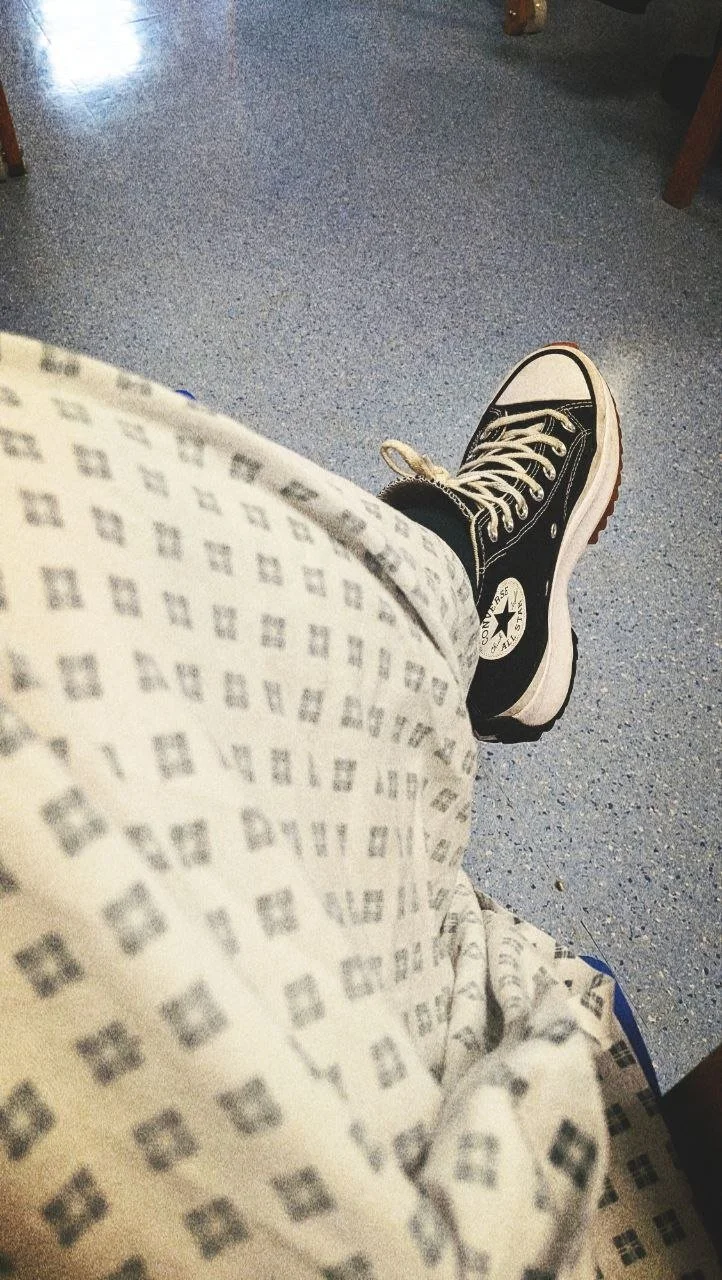
At last, it felt like answers might be coming. But things didn’t go to plan. While waiting in the admissions lounge before surgery, my abdominal pain began to intensify. At first, it felt familiar - another flare-up, another episode to get through. Then it kept escalating.
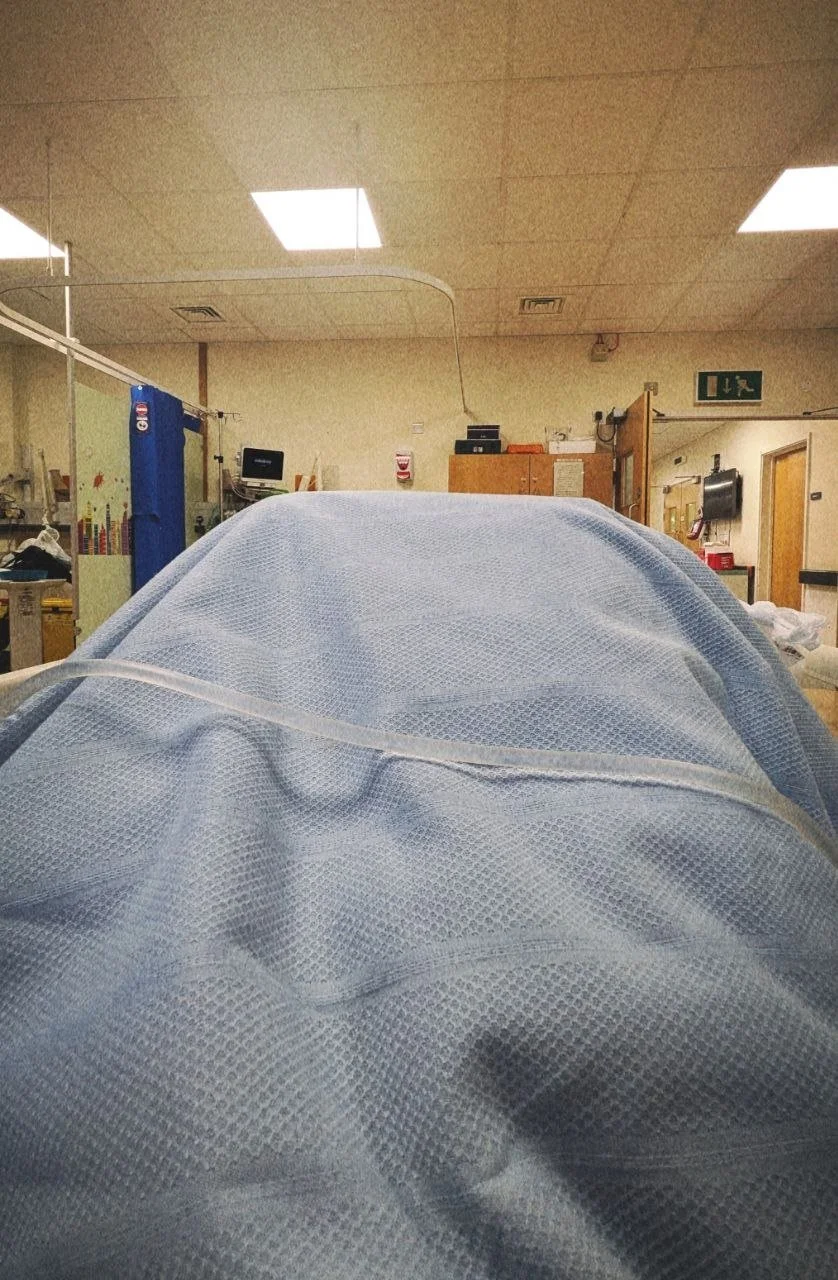
The pain became so severe that I started vomiting. Sitting down was difficult. Standing up was difficult. The hours dragged by as wave after wave of pain hit. Just as I was being taken through towards the anaesthetic room, another episode came. I couldn’t stop vomiting. I was crying. The pain was unlike anything I had ever experienced. What had started as an elective procedure suddenly became an emergency.
I was rushed for further assessment and an emergency scan. Doctors became concerned that my ovary had twisted - a condition known as ovarian torsion. A serious and time-critical emergency that can compromise the blood supply to the ovary. Within hours, I was undergoing emergency surgery.
During the procedure, they drained cysts, treated areas of endometriosis and addressed the immediate concern around my ovary.
In many ways, I was incredibly fortunate. I was already in the hospital when it happened. I think about that often. Because what has stayed with me isn’t only the physical pain. It’s the question I’ve found myself asking ever since: how did it take so long to get here?
Looking back now, knowing what was found during surgery, it’s difficult not to wonder whether those conversations should have happened sooner.
I wish I’d pushed harder.
I wish I’d asked more questions.
I wish I’d advocated for myself earlier.
But the truth is, at the time, I was already fighting another battle.
For years, I was navigating the criminal justice system following being raped. Every spare ounce of energy I had seemed to go into understanding processes, challenging decisions, seeking accountability and trying to secure justice.
Lunch breaks were spent researching policies. Commutes were spent reading reports and guidance. Evenings were spent drafting emails, preparing questions and trying to understand a system that often felt impossible to navigate.
I became so focused on fighting to be heard in one system that I didn’t realise how much I was neglecting another. When you’re constantly having to advocate for yourself, there isn’t always enough left in the tank to do it everywhere. And that’s what strikes me most about the similarities between women’s health and the justice system.
Of course, they are very different systems with very different challenges. But they often leave women in remarkably similar positions.
Learning terminology we never wanted to learn. Gathering evidence. Keeping records. Preparing for appointments. Preparing for meetings. Chasing updates. Seeking second opinions. Explaining ourselves over and over again.
Trying to prove what we already know to be true. That something is wrong. That something has happened. That we need help. That we deserve to be taken seriously.
Many women can recall moments when they questioned themselves. Am I overreacting? Am I making a fuss? Maybe this is normal. Maybe I should wait a little longer. Maybe I just need to be patient.
Whether it’s reporting a crime or seeking help for chronic pain, there can be a subtle pressure to minimise your own experience. To be understanding. To wait for your turn. To trust that somebody else will join the dots eventually.
Yet so many women discover that persistence is often what finally gets them through the door. Not because they are difficult, but because they are trying to survive.
I think about the women waiting years for an endometriosis diagnosis. The women repeatedly told that painful periods are normal. The women trying to explain symptoms that don’t fit neatly into a ten-minute appointment. I think about survivors navigating police investigations, court processes and review procedures.
Different journeys. Different outcomes. Yet often the same exhausting reality: the emotional labour of having to become your own advocate.
We talk a lot about encouraging women to speak up. What we talk about less is how exhausting it is when you’ve been speaking up all along. The reality is that nobody should need a law degree to access justice. And nobody should need a medical degree to access healthcare. Systems should be navigable without requiring people to become experts in them first.
Because advocacy is work. Emotional work. Mental work. Often exhausting work. And when you’re already carrying trauma, navigating a justice process, managing chronic pain, working full-time, caring for others, or simply trying to get through the day, continually fighting to be heard can feel impossible.
Women shouldn’t have to become experts to access justice. Women shouldn’t have to become experts to access healthcare. They shouldn’t have to spend years proving that something is wrong before somebody finally listens.
The strength and persistence that so many women show is extraordinary. But strength should not be a prerequisite for receiving justice or healthcare.
It should never have to be.