
More Than a Guidance Update
For me, the CPS's new approach to sexsomnia represents something much bigger than a policy change
By Jade Blue
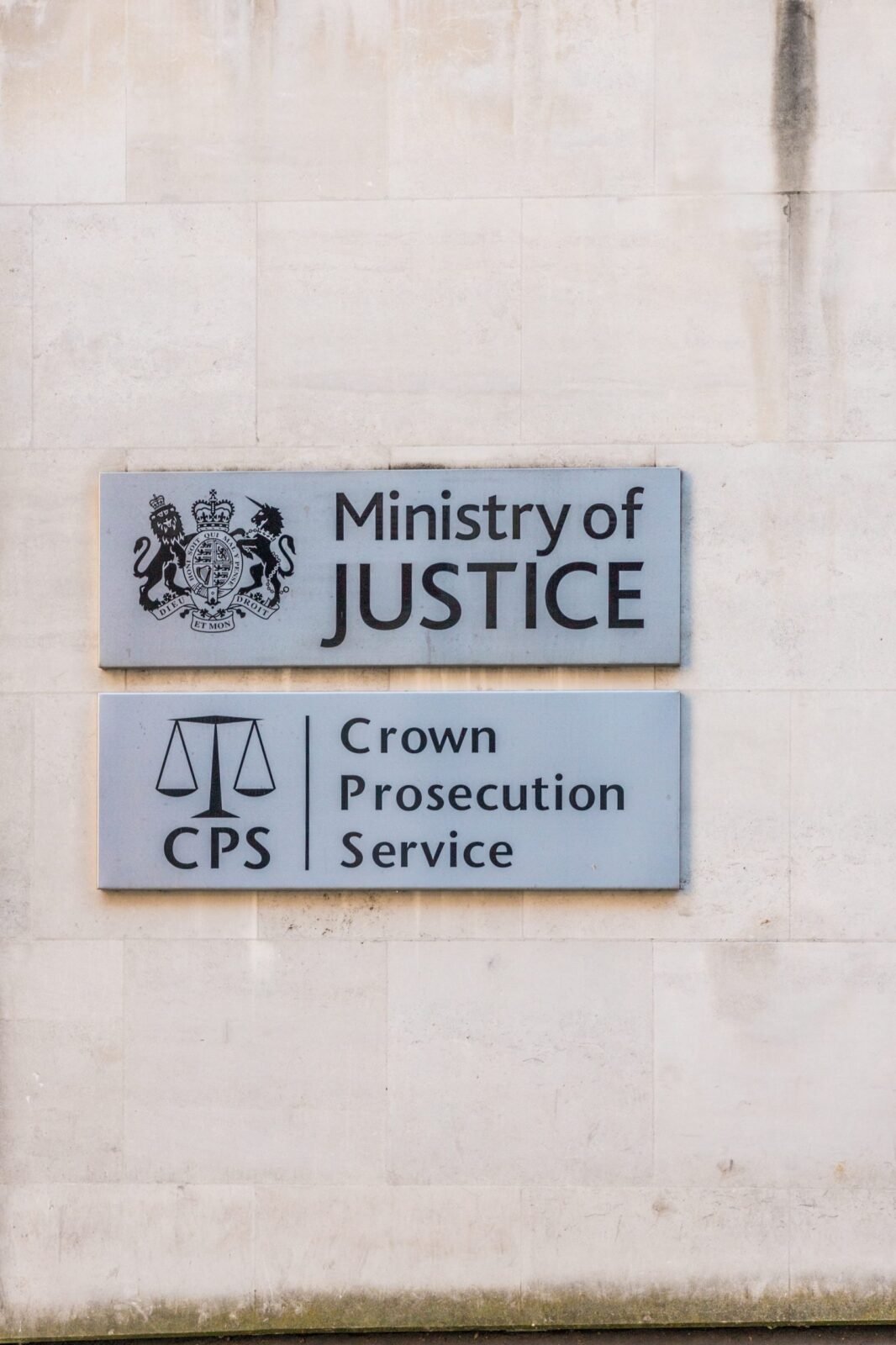
This week, the Crown Prosecution Service (CPS) confirmed it will publish updated RASSO Prosecution Guidance, including a dedicated section on the sexsomnia defence.
For many people, that may sound like a technical legal update. For me, it feels far more personal.
In 2020, my rape case was discontinued just 13 days before trial after the defence raised a claim that I suffered from sexsomnia - a rare sleep disorder that can involve sexual behaviour during sleep. The decision devastated me.
At the time, I struggled to understand how a case that had already passed through multiple stages of review, preparation and scrutiny could suddenly collapse so close to trial. Like many victims, I was left trying to make sense of a process I had never expected to become an expert in. What followed was years of questions, campaigning and legal action.
Eventually, an independent Victims’ Right to Review found that the decision to discontinue my case was wrong and that the case should have proceeded to trial. The review concluded there was a realistic prospect of conviction. By then, however, it was too late for my case to be reinstated.
That experience fundamentally changed how I view the justice system.
One of the most difficult aspects was understanding the role expert evidence had played in the decision-making process. Expert opinion can carry enormous weight. It can shape how cases are viewed, how evidence is interpreted and, ultimately, whether a case reaches a courtroom at all.
That is why I am encouraged to see the updated guidance place such a strong emphasis on scrutinising expert evidence and carefully testing the basis on which opinions are reached.
I am also particularly pleased to see recognition of cases where the defence seeks to suggest that a complainant themselves may have been experiencing sexsomnia. Given the role that argument played in my own case, it feels important to see it specifically acknowledged within national guidance.
The guidance makes clear that sexsomnia claims should be robustly examined and challenged where appropriate. It also highlights the need to carefully assess expert evidence, particularly where conclusions may be derived primarily from a suspect’s own account. That matters.
Not because genuine sleep disorders do not exist. They do. But because every defence raised in a criminal case deserves the same level of scrutiny as every allegation. For me, this update is not about revisiting the past. It is about looking forward.
It is about helping to ensure prosecutors have the tools, confidence and guidance needed to ask difficult questions, challenge assumptions and properly test evidence before life-changing decisions are made.
Guidance alone cannot undo the impact of decisions that have already happened. But if it helps prevent future cases from being prematurely derailed, encourages more robust scrutiny of expert evidence and improves confidence in decision-making, then it is a meaningful step forward.
Sometimes progress arrives quietly, hidden inside policy documents and guidance updates. But for those who have spent years advocating for change, these moments matter. Because justice depends on evidence being tested, assumptions being challenged, and decisions being capable of scrutiny. And that is something worth welcoming.
M.Y.H Reflection
The people most affected by the justice system often have the clearest view of where it can improve. Lived experience should not sit on the sidelines of policy discussions. It should help shape them. Sometimes the most important changes begin with someone asking, “Are we sure we’re getting this right?”