
We question why survivors take years to report abuse. Perhaps we should be asking what finally led them to speak out
By Vicki Crawford
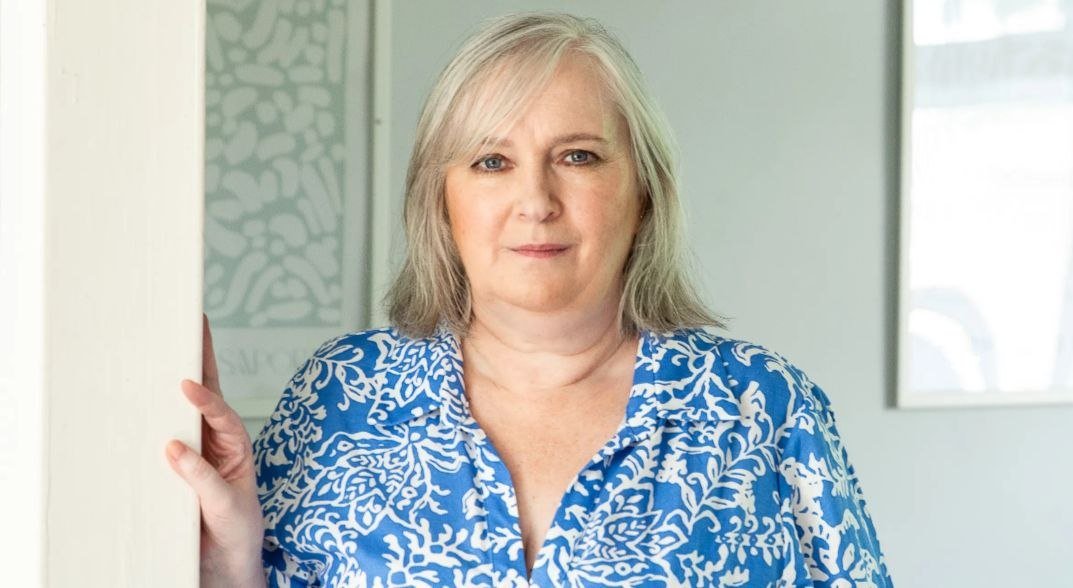
That question has been in every exchange, every debate and every corner of the internet this month. Since the Russell Brand trial, it’s been used as a “gotcha” phrase for anyone seeking to discredit the survivor of Russell Brand’s criminality. The question can be reframed as, “What made her report it when she did?”
I speak from personal experience when I say my 30-year road to reporting was far from linear. I didn’t wake up one morning and decide to pick up the phone; in fact, it wasn’t done in a single call. It was a slow burn, a call without giving my full name; it was years of thinking: how do I address this? A back-and-forth in my head: what if I write to him and explain the damage he did to my life? Maybe if I go and see him and tell him? And if I pick up the phone and call the police, will it implode what’s left of my family?
The reality is it happened ten years before I even realised I had done it! In 2008, I called the police Sapphire Unit to ask whether he’d had any similar allegations made against him. I gave the officer my first name and told them what had happened back in 1987/88 when I was 14/15. I didn’t go into deep detail, just that it happened and that I needed to address it, but didn’t know how! They searched for intelligence, came back to me, and said there wasn’t any. They encouraged me to formalise it, but I said I couldn’t. What I didn’t know until 13 years later is that they had created a crime report with my first name and my abuser's full name from that call.
There’s not one thing that made me pick up the phone the night I finally did. Maybe seeing case after case of grooming and child abuse. Perpetrators victim-shaming their victims. The internet pile-on when a survivor dared to speak the truth. That nagging feeling that I needed to deal with it somehow. It haunted me until the phone was in my hand and I was saying the words to the police operator I never thought I’d say.
It was 8 years ago this week that I made that call. It was raining, and it was 1 am. I wasn’t aware that in that moment I was literally checking into the hardest and most vindicating thing I’ve ever done. I had no idea how life-changing it would be. I just said, “ I would like to report historical childhood sexual abuse”. I repeated what I’d said ten years earlier, and the officer made an appointment for 8 am the next morning to take the crime report. After the appointment, I was hit with a wall of panic about what my family would say, but also a sense of determination to follow through. It felt right!
The night I called the police, one simple sentence reassured me. I had been talking to a friend about her experience with justice. She had reported her abuse years later. I told her about my abuse, and she said, “They’d take that very seriously, Vicki!’.
They did take it very seriously! The thirty years made no difference to evidence gathering, investigating and ultimately convicting my abuser.
I guess my message is that delayed reporting can be a product of trauma processing. Something incredibly hard to understand and incredibly easy to recharacterise. This month it's been used as a victim-shaming stick to bash survivors with if they don't fit the perfect "rape victim" profile so many assume exists. It's all complete b**locks.