
Left Waiting, Again
Behind every change to early release policy are victims and families waiting for answers
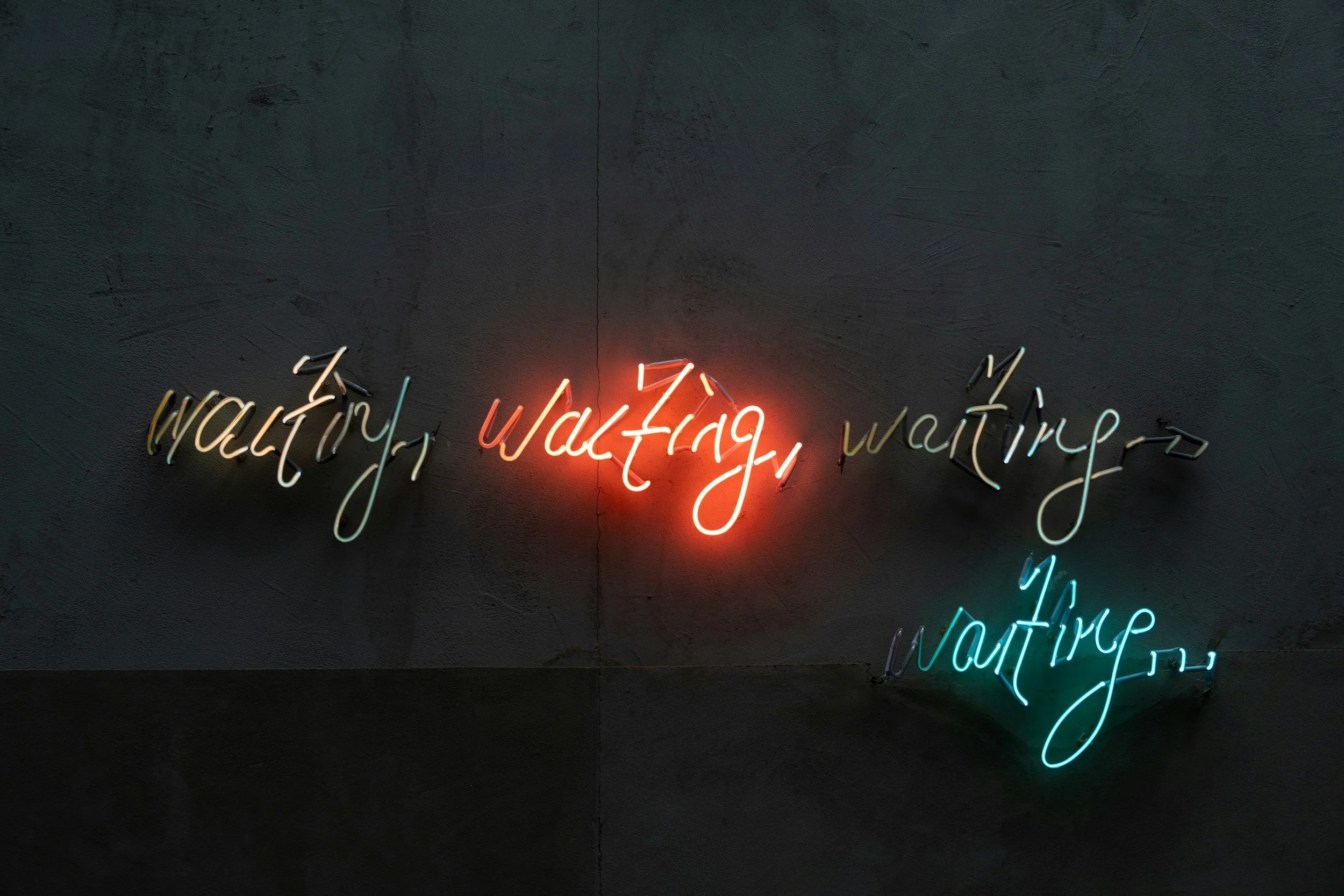
We are angry about the government’s handling of early release.
Not just because of the policy itself, but because of the constant back-and-forth surrounding it - announcements, pauses, reviews, exemptions, further reviews - while victims and families are left somewhere in the middle, trying to work out what any of it means for them.
These are not just sentencing percentages on a government spreadsheet. For a victim, finding out that the person who harmed you could be released earlier can mean having to think about your safety all over again. Where are they going to live? Will they know where I am? What conditions will be placed on them? Will anyone actually tell me when they are released?
For families who have lost somebody, it can mean being forced back into the worst moments of their lives and questioning whether the sentence they fought so hard to see imposed still means what they were told it meant. And yet victims have repeatedly seemed to come last in this conversation.
The Sentencing Act changes were due to begin in September. They were paused for an urgent review. The government then announced exemptions for rape and certain serious child sexual and grooming offences, pushed implementation back to October, and continued reviewing which offences should fall outside the scheme. Meanwhile, victims and families wait.

Claire Waxman, the Victims’ Commissioner, had recently spoken to The Times about the “chaos and uncertainty” this has created and the impact she is seeing on people affected. Some victims have reportedly been hospitalised as they deal with the uncertainty. That should stop us in our tracks.
Because we talk constantly about creating a justice system that is more trauma-informed and more victim-centred. But what does that actually mean if decisions capable of changing somebody’s sense of safety are announced, reconsidered and changed while the people most affected are left desperately trying to keep up?
The Victims’ Commissioner and Domestic Abuse Commissioner had already asked ministers to delay the changes so that victims could be properly communicated with and safeguards could be put in place. Victims themselves have spoken publicly about fear, despair and concerns for their safety.
Of course I understand that prisons are under enormous pressure. The government has difficult decisions to make about capacity, sentencing, and public safety. But victims cannot repeatedly be the people expected to absorb the consequences of a system in crisis. And there is something particularly cruel about uncertainty.
A terrible decision is one thing. Being told one thing, preparing yourself for it, hearing that it might change, waiting for another announcement, and then discovering the situation is still not settled is another form of harm entirely.
People should not have to campaign to find out whether the person who killed or abused someone they love will be released early.
Survivors should not be learning information that affects their safety through newspaper headlines.
Families should not be repeatedly dragged back into trauma because government cannot provide clarity.
And victims should not have to shout this loudly simply to be considered.
Victims and families should not have to keep fighting to be considered by a system that is supposed to protect them. They should not be left checking headlines, bracing for another change or wondering whether the sentence they were told to trust still means what they thought it did.
The prison system may be under pressure, but that pressure cannot simply be passed down to victims. People have already carried enough. They should not have to carry the uncertainty too.