
The court was not told Levy was being investigated for rape and murder. The CPS has apologised, but questions remain about how this happened and what will change
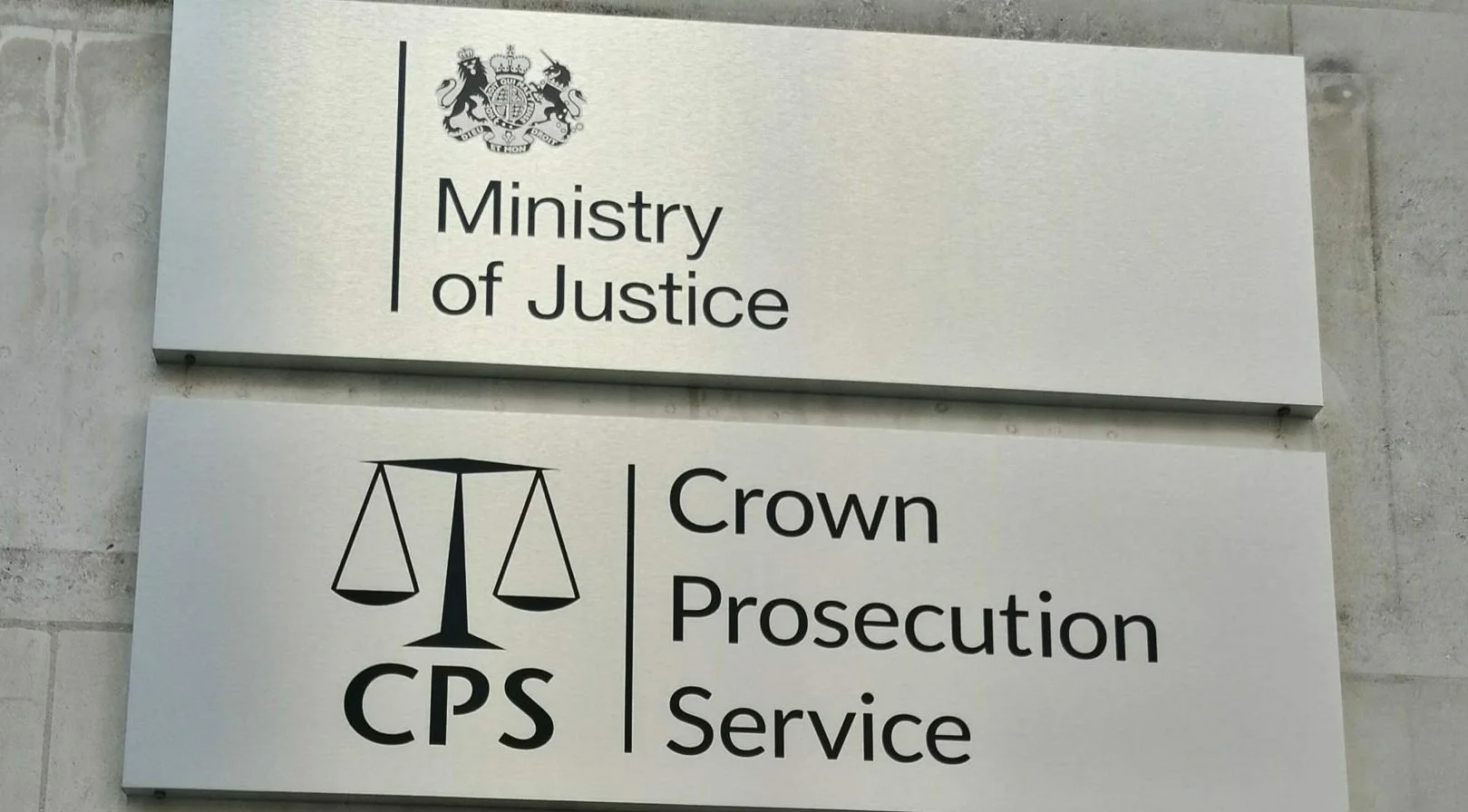
The Director of Public Prosecutions has apologised for a serious CPS failure in the Simon Levy case.
That apology is necessary. But in a case with consequences this devastating, saying that lessons will be learned cannot be where accountability ends.
Levy has now received a whole-life sentence for the murders of Carmenza Valencia-Trujillo and Sheryl Wilkins, and the rape of another woman. He was on bail and being monitored by police when he murdered Carmenza in March 2025 and Sheryl five months later.
The two bail hearings discussed by Director of Public Prosecutions Stephen Parkinson took place after Carmenza’s murder and before Sheryl was killed. The court was not told that Levy was under investigation for rape and murder.
According to Parkinson, information about those investigations was held within the system, but the prosecutors handling the hearings were not aware of it. They did not present it to the court. He has accepted that the court should have had that information and apologised for the failure.
We cannot know for certain whether the court would have refused bail had it received the full information - although, frankly, it is difficult to imagine that it would not have carried significant weight. Either way, the court should never have been asked to make that decision without it.
That distinction matters. This is not about claiming certainty over what a judge would have decided. It is about recognising that a decision concerning liberty and public protection was made without information directly relevant to the risk Levy may have posed.
Parkinson explained that both hearings took place on Saturdays, when prosecutors were dealing with extremely busy court lists. The pressure across the criminal justice system is real. Prosecutors need sufficient time, staffing and support to make decisions carrying enormous consequences. But public protection cannot depend on how busy a particular list happens to be.
Source: LBC
If critical information can exist within a system without reaching the prosecutor who needs to present it in court, the safeguard is too fragile. That is not simply a question of individual error. It raises serious questions about how information is recorded, flagged, checked and shared across cases and agencies.
The CPS has said it is increasing resources and taking action to minimise the risk of this happening again. More staff may be an essential part of the response. But staffing alone does not answer how the information was missed - or what will now ensure that a prosecutor dealing with a high-risk bail application receives the complete picture.
The public deserves clear answers. What check failed? Who was responsible for confirming that all relevant investigations had been identified? What new safeguards will operate during busy remand courts and at weekends? When will those changes be introduced, and how will the CPS know they are working?
Parkinson has said the public does not want different parts of the justice system taking shots at one another. He is right. Blame-shifting between the police, CPS, courts, prisons and probation will not make anybody safer. But avoiding blame-shifting cannot mean avoiding responsibility.
A multi-agency failure requires a joined-up account of what happened, alongside clear ownership of each failure. Every organisation involved must be able to say what it knew, what it did, what it failed to do and what has changed as a result.
My own experience is not comparable to the devastating loss and harm at the centre of this case. But I do know what it is to receive a CPS apology after an opportunity for justice has already been lost.
In my rape case, an independent review concluded that the case should have gone to trial. By the time that finding was made, the proceedings could not be reinstated. The acknowledgement mattered, but it could not return the opportunity that had gone.
It taught me something about the limits of an institutional apology. An apology can recognise a wrong, but it cannot undo its consequences. Its value ultimately depends on what the organisation is prepared to change - and whether those changes can be seen, tested and trusted.
In the Simon Levy case, meaningful accountability must now mean three things: a complete explanation of how relevant information failed to reach the court; specific, properly resourced safeguards to prevent a repetition; and public evidence that those safeguards have been implemented and independently tested.
There should also be scrutiny of whether the same weakness may have affected other high-risk cases. A system cannot wait for another catastrophic outcome before checking whether a known vulnerability exists elsewhere.
At the centre of all of this are the women Levy harmed, Carmenza Valencia-Trujillo and Sheryl Wilkins, their families, and the surviving woman whose evidence helped bring him to justice.
They deserved a system capable of connecting the information it already held and acting on the risks in front of it.
No apology can undo what happened. But it can mark the beginning of meaningful change - if the full truth follows, clear responsibility and evidence that the same failure will not be allowed to happen again.